 Everett
 Exterior Work Built for Mukilteo's Waterfront Climate
Mukilteo sits right on Puget Sound, and that location shapes everything about how a house ages here. Homes closer to the water take on salt-laden air coming off the Sound, while homes further up the bluffs still deal with the same driving rain and long, damp winters that define Snohomish County. Add in a moss season that can stretch from fall through spring, and you have an exterior environment that punishes weak materials and sloppy installation far faster than a drier climate would. We've worked on enough homes throughout the Everett area to know that Mukilteo's mix of salt exposure, wind-driven rain, and shade from mature trees calls for a different level of attention than a generic exterior job.
This page walks through how we approach siding, roofing, windows, and decks for homes in this area, and why the products and methods matter as much as the labor.
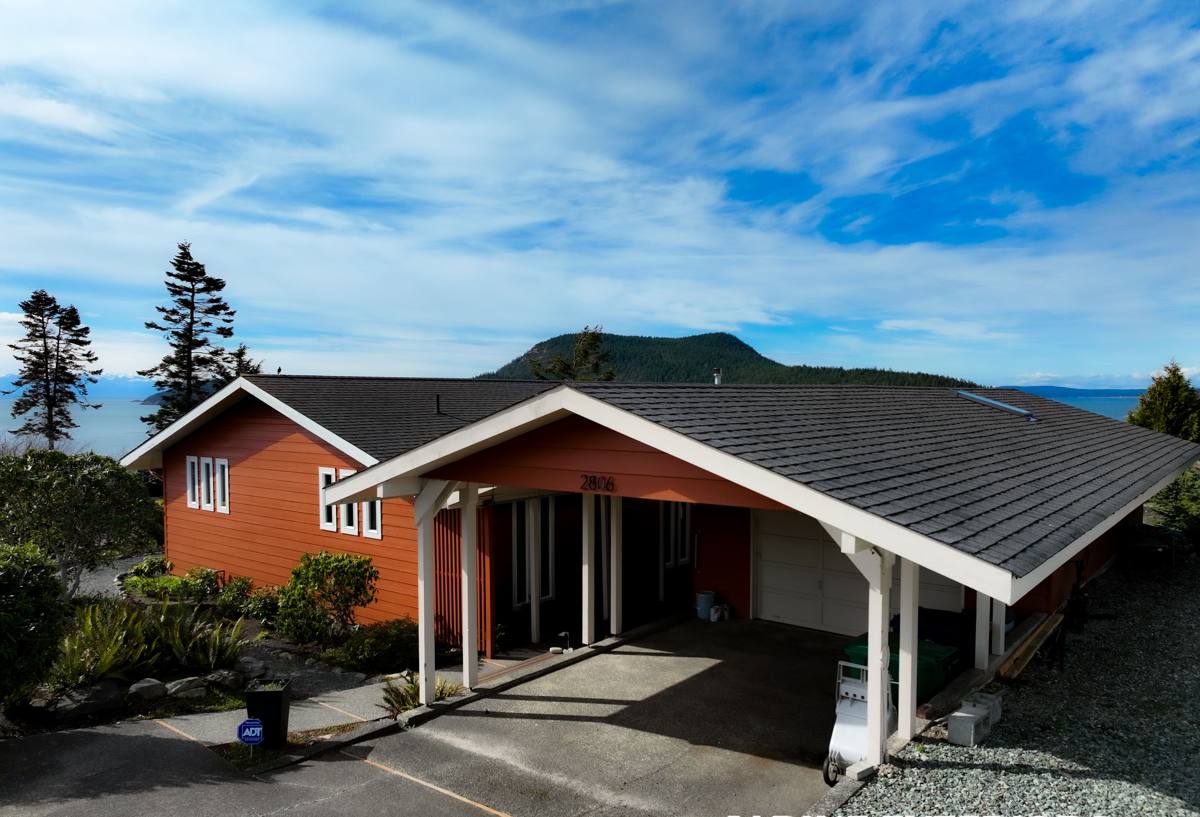
What Mukilteo's Climate Does to a House Over Time
Salt Air and Moisture
Homes within sight of the water, or even a mile or two back, deal with airborne salt that accelerates corrosion on fasteners, flashing, and any metal components on the exterior. Salt air also holds moisture longer against surfaces, which matters when you're talking about siding seams, window frames, and deck hardware. Materials that aren't rated for coastal exposure, or that were installed without proper flashing and fastener choices, tend to show problems years before they should.
Driving Rain
Storms coming off the Sound don't just fall straight down — wind pushes rain sideways into walls, under trim, and into any gap that wasn't sealed correctly. This is why house wrap, flashing details, and caulking at penetrations matter so much more here than in a calmer climate. A siding or window installation that would hold up fine in a dry inland region can fail within a few winters if the water management details were rushed.
Moss and Shade
Mukilteo's tree cover and marine-layer humidity create ideal conditions for moss and algae growth on roofs, siding, and deck surfaces, especially on north-facing walls and shaded rooflines. Moss holds moisture against the surface it's growing on, which speeds up rot in wood-based products and accelerates granule loss on roofing. Left unaddressed, it becomes a slow, steady source of moisture damage that's easy to miss until it's already done harm underneath.
Siding: Why We Only Install James Hardie
Siding is the first line of defense against all three of those factors — salt, wind-driven rain, and moss. It's also the exterior component most homeowners underestimate until they're dealing with soft spots, peeling paint, or swollen panels. We made the decision to install James Hardie fiber cement siding exclusively, and we don't install vinyl, LP SmartSide, Cemplank, Allura, primed spruce, or cedar. That's not a marketing position — it's a standard we hold because of what we've seen matter over the long run in this climate.
Why Not the Alternatives
Vinyl siding is inexpensive and easy to install, but it's a petroleum-based product that can warp in direct sun and become brittle in cold weather, and it relies heavily on seams and overlaps that wind-driven rain can work its way behind over time. Wood products like cedar or primed spruce look great initially, but they're organic materials in a climate built for moss and rot — they demand consistent repainting and sealing to hold up, and any lapse in that maintenance shows up fast. Engineered wood products like LP SmartSide use wood strand cores that, while treated, are still wood-based and depend on flawless caulking and painting to keep moisture out at every cut edge and seam. Other fiber cement brands like Cemplank or Allura are legitimate competitors to Hardie on paper, but we've standardized on Hardie specifically for its factory finish system, its climate-engineered product lines, and the depth of installer training and warranty backing behind it.
What Hardie Gets Right for This Area
James Hardie fiber cement is non-combustible, doesn't rot, and isn't affected by moisture the way wood or wood-composite products are. Its ColorPlus factory finish is baked on under controlled conditions rather than field-painted, which means better adhesion and color consistency than a job-site paint job exposed to Pacific Northwest humidity during application. Hardie also makes HZ5 product lines engineered for cold and wet climates, which fits the Puget Sound corridor well. None of this means Hardie is maintenance-free — it still needs to be installed with correct clearances, flashing, and caulking — but it removes the rot and moisture-absorption failure modes that cause most of the siding problems we see on older Mukilteo homes.
Roofing: Standing Up to Moss and Wind-Driven Rain
A roof in this area needs to manage two things well: shedding wind-driven rain at every flashing point, and resisting moss buildup on shaded and north-facing slopes. We pay close attention to underlayment quality, valley flashing, and ventilation, since poor attic ventilation combined with a shaded roofline is a common recipe for accelerated moss growth and premature granule loss. Gutter and downspout sizing also matters more here than homeowners often expect — undersized systems overflow during heavy storms and send water straight down exterior walls, which compounds the siding and trim problems we already described.
Windows: Sealing Against Wind-Driven Rain
Window failures in this climate are rarely about the glass — they're about the seal between the window unit and the wall. Wind-driven rain finds any gap in flashing tape, sill pans, or caulking, and once water gets behind a window frame it can travel and cause damage well away from the original leak point. When we replace windows, we treat the flashing and sill pan detail as seriously as the window unit itself, because a premium window installed with a sloppy seal will leak just as fast as a cheap one.
Decks: Built for Wet, Shaded Conditions
Decks in Mukilteo often sit under tree cover or face the marine layer coming off the Sound, both of which keep deck surfaces damp longer than homeowners realize. That moisture retention is what drives rot in wood decking and corrosion in fasteners and hardware over time. Composite decking has become a common choice here because it doesn't absorb water the way wood does, but the substructure, ledger connection, and flashing at the house are just as important as the surface material — that's where most of the structural problems in older decks actually originate.
Cost Factors to Understand Before You Budget
Every exterior project's cost depends on scope, access, and existing damage more than on a flat per-square-foot number. The table below outlines the main factors that move the price on each type of project so you know what to ask about when getting quotes.
| Project | Main Cost Drivers | Local Factor to Watch |
|---|---|---|
| Siding | Square footage, number of stories, trim complexity, tear-off vs. overlay | Hidden rot behind old siding from moss and moisture |
| Roofing | Roof pitch, layers to remove, decking condition, ventilation upgrades | Moss remediation and underlying decking damage on shaded slopes |
| Windows | Number of openings, full-frame vs. insert replacement, glass package | Sill and flashing repair needed from prior water intrusion |
| Decks | Size, decking material, structural condition, railing code requirements | Ledger board and substructure condition under damp, shaded decks |
Why a Local Crew Matters
A crew that works throughout Snohomish County day in and day out knows which details actually matter here — the flashing sequence that holds up against wind-driven rain off the Sound, the ventilation approach that keeps moss from taking over a shaded roofline, the fastener choices that resist salt air corrosion. That's different from following a generic installation manual written for a drier part of the country. Local experience also means knowing what permitting and inspection expect in this area, and being available if a question comes up after the job is done rather than after the crew has moved on to another region entirely.
Questions Worth Asking Any Contractor Bidding Your Project
- Are you licensed and insured to work in Washington, and can you provide proof?
- What specific siding, roofing, or decking brands do you install, and why those brands?
- How do you handle flashing and water management at windows, doors, and roof penetrations?
- What does the manufacturer's warranty actually cover, and is it transferable if you sell the home?
- Can you explain your ventilation plan for a shaded or moss-prone roofline?
- Will the same crew that quotes the job also perform the installation?
Getting Started
If you're dealing with aging siding, a moss-covered roof, leaky windows, or a deck that's seen better days, we're happy to take a look and give you an honest read on what's actually going on and what your real options are. There's no pressure and no obligation — just a straightforward assessment from a crew that knows what this climate does to a house. Fill out the form below to request a free estimate.