 Everett
 Exterior Work Built for Eastmont's Conditions
Eastmont sits within Everett, Washington, close enough to Puget Sound and the Snohomish River delta that homes here deal with a specific combination of weather stress most inland communities don't see nearly as often. Salt-tinged air off the Sound, long stretches of driving rain from fall through spring, and a moss and mildew season that can run eight months or more all put steady pressure on siding, roofing, windows, and decks. Everett Exterior works throughout Snohomish County, and Eastmont is part of our regular service rotation — we know the housing stock, the microclimate quirks of this side of Everett, and what actually holds up here versus what looks good on a spec sheet in a drier climate.
This page covers what Eastmont homeowners should know about maintaining and upgrading their home's exterior, and how our four core services — siding, roofing, windows, and decks — work together to protect a house in this environment.
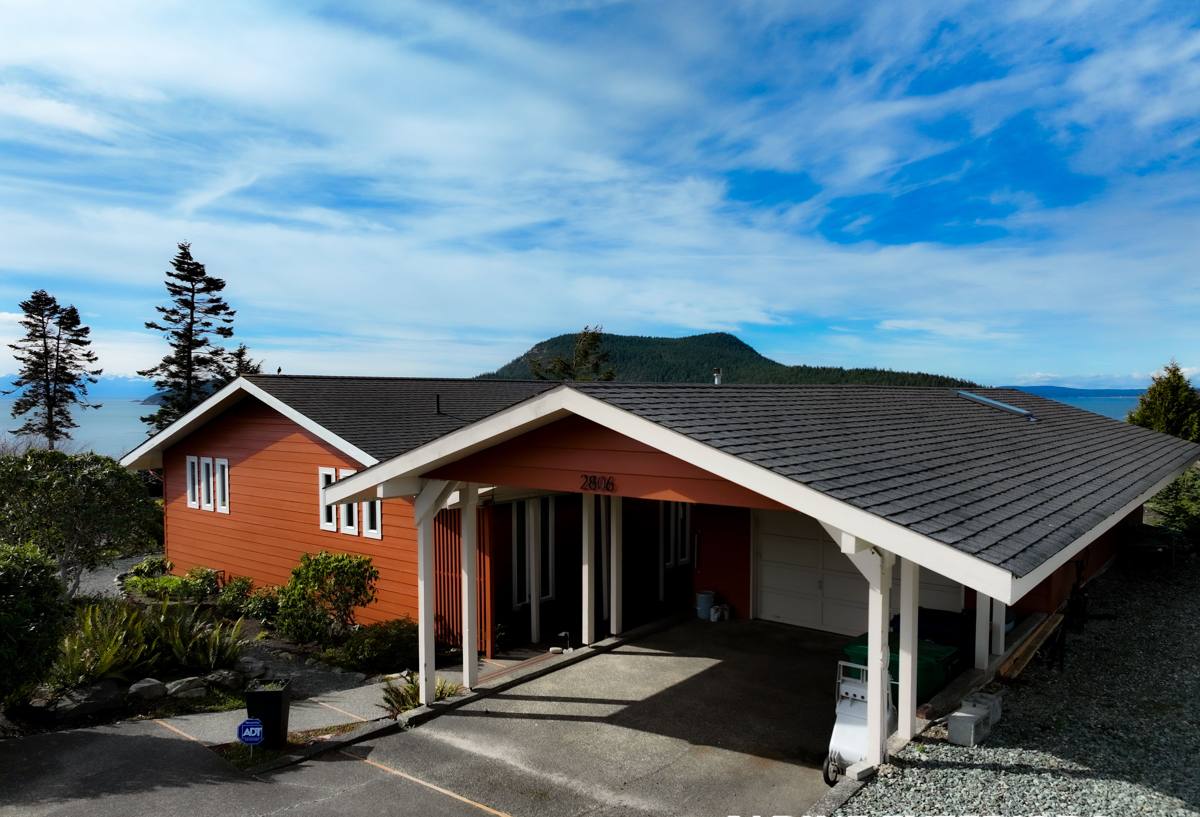
What Eastmont's Climate Does to a House
Moisture Is the Constant Enemy
Snohomish County averages well over 100 rainy days a year, and Eastmont's elevation and tree cover mean many properties stay shaded and damp longer than open, sun-exposed lots. That combination is exactly what wood-rot fungi and moss need to establish themselves. Roofs facing north or shaded by mature trees often show moss growth years before a south-facing roof on the same street. Siding seams, window sills, and deck ledger boards are the places where trapped moisture does the most damage, because water that gets behind the surface material doesn't dry out quickly in our climate — it just sits.
Salt Air and Wind-Driven Rain
Proximity to Puget Sound means a low but persistent level of airborne salt, which accelerates corrosion on fasteners, flashing, and any metal components on a home's exterior. Combined with wind-driven rain during winter storms, this pushes moisture into joints and laps that would stay dry in calmer conditions. Homes on more exposed lots or higher ground catch more of this than sheltered, low-lying properties, but no home in the area is fully immune.
Temperature Swings and UV
Western Washington doesn't get extreme heat, but the freeze-thaw cycles of late fall and winter, paired with intermittent summer UV exposure, still stress exterior materials over time — especially anything with a field-applied paint finish that has to be recoated to keep protecting the substrate underneath.
Siding: Why We Only Install James Hardie
Everett Exterior installs James Hardie fiber cement siding exclusively. We don't install vinyl, LP SmartSide, Cemplank, Allura, or primed wood products like spruce or cedar lap siding. That's a deliberate standard, not a limitation of what we're capable of installing, and it comes down to how these materials perform specifically in a climate like Eastmont's.
- Vinyl expands and contracts significantly with temperature swings and can warp or become brittle over time; it also isn't paintable in most cases without voiding warranty terms, which limits long-term color flexibility.
- Wood-based composite and primed wood products (LP SmartSide, primed spruce, cedar) rely on an intact factory or field-applied coating to keep moisture out. In a climate with this much sustained rain and shade, any breach in that coating — a nail pop, a scuff, a poorly sealed cut edge — becomes an entry point for rot.
- James Hardie fiber cement is non-combustible and dimensionally stable, meaning it doesn't swell, shrink, or warp with moisture the way wood-based products can. Hardie's ColorPlus finish is baked on at the factory under controlled conditions, which holds up better against UV and moisture cycling than field-applied paint, and it carries a strong transferable warranty.
James Hardie also makes climate-engineered product lines (the HZ5 line is built for the kind of wetter, more humid climate zones the Pacific Northwest falls into), which matters for a neighborhood like Eastmont more than it would in a drier region. We're not against other siding products as a category — we simply won't install something on a home in this climate that we don't believe will hold up to the standard we want to stand behind.
Siding Installation Details That Matter Here
Correct installation is what makes any siding material perform to spec, and it's especially true in a wet climate. Proper flashing at windows, doors, and butt joints; correct nailing patterns and clearances; and adequate gap and caulking practices all determine whether water sheds off the wall or finds a way behind it. We install to James Hardie's published specifications, not a shortcut version of them.
Roofing for Moss, Moisture, and Wind
Roofing in Eastmont has to deal with moss more than almost any other single issue. Moss holds moisture against roofing material, lifts shingle edges over time, and can shorten the effective life of a roof significantly if left unaddressed. Our roofing work includes:
- Roof replacement and repair suited to the pitch, exposure, and shade conditions of the specific property
- Proper underlayment and flashing detail work, which matters more in high-rainfall climates than in drier regions
- Attention to ventilation, since poor attic ventilation combined with our damp climate contributes to premature roof deck and shingle deterioration from the underside
A roof and siding system work together — poor roof drainage or failed flashing at a roof-to-wall intersection is one of the most common ways water ends up behind siding, so we look at both as part of one exterior envelope rather than treating them as unrelated projects.
Windows: Sealing Out the Rain
Older windows in Eastmont's housing stock — particularly homes built before more recent energy code updates — often have degraded seals, single-pane glazing, or frames that have taken on moisture damage over the years. Window replacement isn't just about energy efficiency, though that's a real factor in a region with a long heating season; it's about eliminating another entry point for the wind-driven rain this area gets. Correct flashing and integration with the surrounding siding is critical at every window opening, since this is one of the highest-risk zones for water intrusion on any home.
Decks: Built to Handle Shade and Standing Water
Decks in a climate like this take a beating from standing water, algae growth, and the same moss pressure that affects roofs. Ledger board attachment and flashing are the single most important structural and moisture details on any deck — this is the connection point to the house itself, and it's where the majority of serious deck failures originate when it's done wrong. We build and repair decks with attention to proper drainage, ledger flashing, and material choices that hold up to prolonged dampness rather than just looking good on install day.
Comparing Exterior Priorities by Climate Exposure
| Exposure Type | Primary Risk | What We Prioritize |
|---|---|---|
| Shaded, tree-covered lots | Moss, prolonged dampness, slower drying | Ventilation, moisture-resistant siding, roof moss treatment |
| Elevated or wind-exposed lots | Wind-driven rain, salt air corrosion | Flashing detail, fastener quality, sealed window integration |
| Older original-construction homes | Aging seals, outdated flashing practices | Full envelope assessment before spot repairs |
| Newer construction | Builder-grade material shortcuts | Verifying installation quality, not just material quality |
A Practical Exterior Health Checklist for Eastmont Homeowners
- Check roof surfaces (especially shaded slopes) for visible moss buildup at least once a year
- Look at siding seams and butt joints for gaps, soft spots, or discoloration
- Inspect window sills and frames for soft wood, peeling paint, or visible water staining inside
- Check deck ledger boards and support posts for soft or discolored wood, especially where the deck meets the house
- Clear gutters and downspouts before the fall rains start — clogged gutters send water where it shouldn't go
- Watch for any dark streaking or organic growth on siding, which usually signals a spot that stays wet longer than it should
Why a Local Crew Matters
Exterior work in Snohomish County isn't the same job as exterior work in a drier inland climate, even though the materials and techniques might look similar on paper. A crew that works this region regularly knows which details — flashing laps, ventilation gaps, ledger board sealing — actually matter here versus which ones are just generic best practice. We're not traveling in from out of the area to do a one-off project in Eastmont; this is part of our regular Everett service territory, and we stand behind the work with that in mind.
If you're dealing with moss on your roof, siding that's showing its age, drafty windows, or a deck that needs attention, we're glad to take a look and give you an honest read on what's actually needed. Reach out for a free, no-pressure estimate — there's a short form below to get started.