 Everett
 Exterior Contractors Serving Lake Stevens
Lake Stevens has grown fast over the past two decades, and the housing stock reflects it — everything from older lake cabins and 1980s ramblers to newer subdivisions pushing out toward Highway 9 and Machias. What almost every one of those homes has in common is exposure to the same wet, moss-friendly climate that defines Snohomish County. We work throughout the Lake Stevens area doing siding, roofing, window, and deck work, and we size up each job the same way: what does this specific house need to actually hold up here, not just look good on installation day.
Being based near Everett means a Lake Stevens job isn't a special trip for us. It's a regular part of our route, which matters more than it sounds — a crew that's in the area every week notices things a one-time out-of-town contractor won't, and callbacks don't turn into a half-day drive each way.
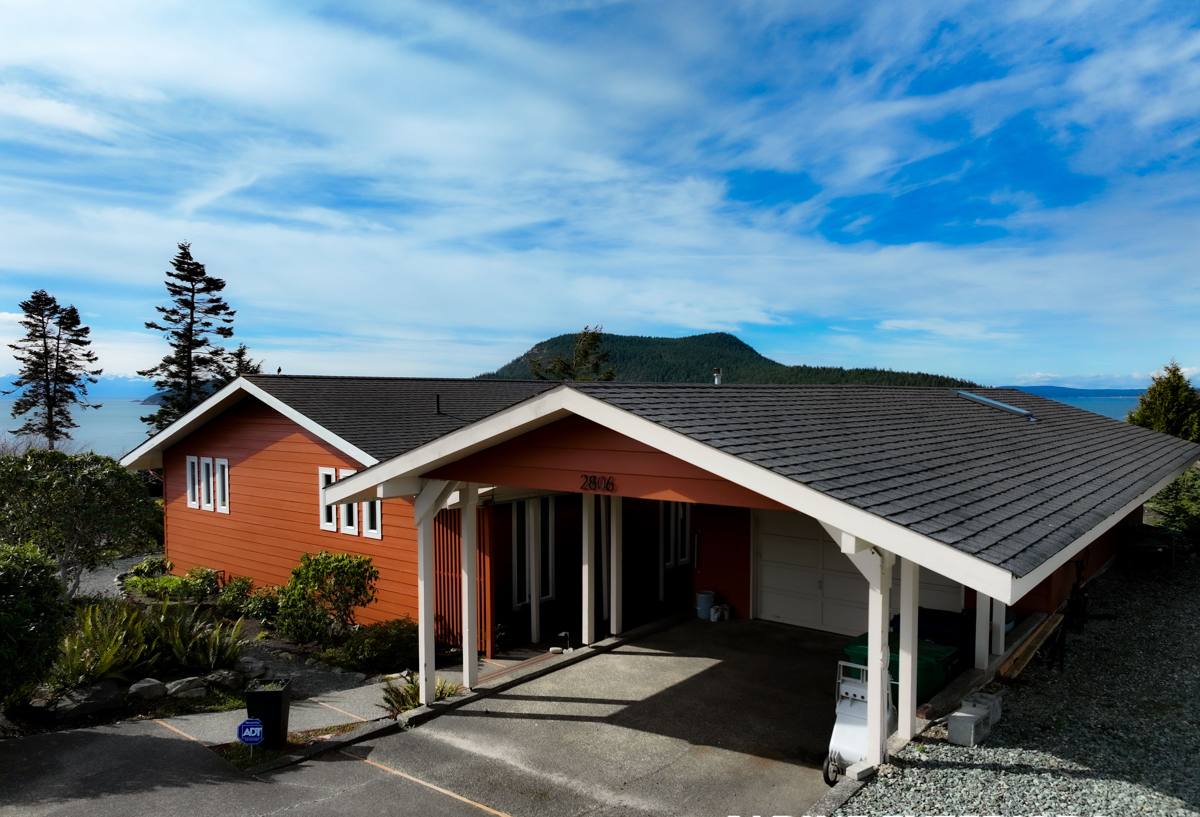
What the Local Climate Does to Home Exteriors
Snohomish County doesn't get brutal winters, but it makes up for that with sheer persistence. Lake Stevens sits inland from Puget Sound, and the marine air that moves through this corridor keeps humidity high for most of the year. Add driving rain that comes in sideways during fall and winter storms, and you get a climate that's less about extreme weather events and more about relentless, low-grade moisture exposure — the kind that wins slowly if your exterior isn't built to handle it.
Moss and Organic Growth
The long moss season here is real. Shaded roof slopes, north-facing siding, and anywhere water sits or drains slowly become hosts for moss, algae, and mildew. On roofing this shows up as premature granule loss and moisture trapped under organic buildup. On siding, it shows up as staining, softening (on wood-based products), and paint failure. Decks facing the lake or tucked under tree cover deal with the same issue on a horizontal surface, which is worse — standing moisture doesn't run off, it sits.
Rain Volume and Wind-Driven Water
It's not just how much it rains — it's how it arrives. Wind-driven rain gets pushed up under lap siding, behind poorly flashed trim, and into any gap that wouldn't be a problem in a drier climate. That's why flashing details, water-resistive barriers, and proper overlaps matter more here than in most of the country. A siding or roofing job that's "good enough" somewhere else can fail in a few wet seasons in Lake Stevens if those details are cut short.
Siding in Lake Stevens: Why We Only Install James Hardie
We get asked fairly often about vinyl, LP SmartSide, or cedar, and we're upfront about it: we don't install them. Not because they're bad products in every setting, but because we've made a professional call that James Hardie fiber cement is the right standard for the homes we work on in this climate, and we'd rather do one thing well than offer several options we don't fully stand behind.
Where the Alternatives Fall Short Here
- Vinyl siding expands and contracts with temperature swings, can warp or crack in impacts, and its seams and J-channels give wind-driven rain more places to work its way behind the panel over time.
- LP SmartSide and other engineered wood products are wood-based at the core. In a climate with this much sustained moisture, any breach in the factory coating or field-cut edge sealing becomes a path for swelling and eventual rot.
- Cedar and primed spruce look great new but demand ongoing maintenance — restaining or repainting on a cycle — to keep moisture out. Skip a cycle in a wet stretch of years and you're often looking at replacement, not just refinishing.
Why Hardie Holds Up
James Hardie fiber cement is non-combustible and doesn't swell, rot, or feed moss the way wood-based products can. The HZ5 product line is engineered specifically for climates like ours — freeze-thaw cycling, sustained moisture, and temperature swings. The ColorPlus factory finish is baked on and warrantied against fading and peeling far longer than field-applied paint typically holds up, which matters a lot when you're not eager to repaint a house every few years in a climate that doesn't give you many dry weeks to do it in. It's also backed by a strong transferable warranty, which is worth something if you plan to sell the home down the road.
We're not going to tell you every other product is worthless — plenty of homes around here have vinyl or wood siding that's been reasonably maintained. But when we're the ones doing the installing and putting our name on the job, Hardie is what we've decided to stand behind.
Roofing Considerations for Lake Stevens Homes
Roofing in this area lives or dies on ventilation, moss management, and flashing quality. A roof that traps heat and moisture in the attic accelerates shingle aging from underneath, which isn't something you can see from the ground. We look at ridge and soffit ventilation as part of any roofing evaluation, not just the shingles themselves.
Moss prevention matters more here than in drier parts of the state. Zinc or copper strips near the ridge, proper gutter maintenance, and keeping overhanging branches trimmed back all reduce how much moss gets a foothold. Once moss is established and left unaddressed, it holds moisture against the roof surface and shortens the life of the roofing material significantly.
Windows: Comfort and Moisture Control
Older windows in Lake Stevens homes — especially aluminum-frame single-pane units common in houses from the 70s and 80s — struggle with both energy loss and condensation. Condensation between panes or on interior glass is usually a sign of failed seals or poor insulating performance, and in a climate this humid, it can contribute to moisture issues in the surrounding wall assembly over time.
Replacement windows done right aren't just about comfort and energy bills, though those improve too. Proper flashing and integration with the siding and water-resistive barrier around each window opening is one of the most common places we find water intrusion problems on older homes, and it's one of the details we pay closest attention to on any window replacement.
Decks Built for Year-Round PNW Weather
A deck in Lake Stevens — especially one near the lake or shaded by mature trees — takes a beating from standing moisture, moss, and UV exposure in whatever sun it does get. Materials and structural details both matter: proper joist spacing and flashing at the ledger board prevent the rot issues that show up years later at the point where the deck attaches to the house, which is one of the most common structural failures we see on older decks in wet climates.
Composite decking has become a popular option locally because it resists moisture and moss buildup far better than untreated wood, though it costs more upfront. Whichever material a homeowner chooses, drainage and airflow underneath the deck structure are what actually determine how long it lasts here.
What Working With a Local Crew Means
A contractor based near Everett who works Snohomish County regularly builds a different kind of judgment than someone driving in from out of the area. We know which details matter most in this climate because we see the failures caused by skipping them — moss-stained north walls, soft trim boards, roofs that lost granules years before they should have. That shapes how we flash a window, lap a piece of siding, or pitch a deck for drainage, even on details a homeowner might never think to ask about.
It also means we're not disappearing after the job is done. If something needs a look under warranty, we're a short drive away, not a phone number in another state.
Cost Factors to Understand
| Factor | Why It Affects Price |
|---|---|
| Home size and siding/roof surface area | More square footage means more material and labor hours |
| Removal of existing material | Tear-off and disposal of old siding, roofing, or decking adds labor and dump costs |
| Trim, window, and flashing complexity | Homes with more corners, dormers, and window openings take longer to detail correctly |
| Material selection | James Hardie panel vs. lap siding, composite vs. wood decking, and shingle grade all shift cost |
| Access and site conditions | Steep lots, lake-adjacent access, and mature landscaping can affect equipment and labor time |
We provide itemized estimates so homeowners can see exactly where the cost is going rather than a single lump-sum number.
Choosing an Exterior Contractor in Lake Stevens
- Confirm they carry current Washington state contractor licensing and adequate liability insurance
- Ask specifically how they handle flashing and moisture management, not just the finish material
- Get a written, itemized estimate rather than a vague ballpark figure
- Ask about warranty terms — both the manufacturer's and the contractor's own labor warranty
- Check that they're actually familiar with this climate, not just applying a generic approach
- Avoid anyone pushing you to sign same-day or pressuring a decision before you've had time to compare
If you're planning siding, roofing, window, or deck work on a Lake Stevens home, we're happy to take a look and put together a free, no-pressure estimate — no obligation, just a straight assessment of what your exterior actually needs.