 Everett
 Exterior Work Built for the Silver Lake Neighborhood
Silver Lake sits in south Everett, one of the more established residential pockets of the city, with homes ranging from older ranch-style builds to newer construction near the water. Like most of Snohomish County, it sits inside a maritime climate that doesn't do the exterior of a house any favors: months of low-intensity rain, humid air that never fully dries out between storms, and enough tree cover in parts of the neighborhood to keep north-facing walls and rooflines shaded for long stretches of the year. None of that is unusual for the Puget Sound region — but it does mean the exterior materials on a Silver Lake home are working harder, more often, than the same materials would on a house in a drier climate.
We're an Everett-based exterior contractor, and Silver Lake is inside our regular service area — not a neighborhood we drive across the county to reach once in a while. That matters more than most homeowners realize, and we'll explain why further down. First, it's worth walking through what actually wears on a house in this part of Snohomish County, and how we approach siding, roofing, windows, and decks in response.
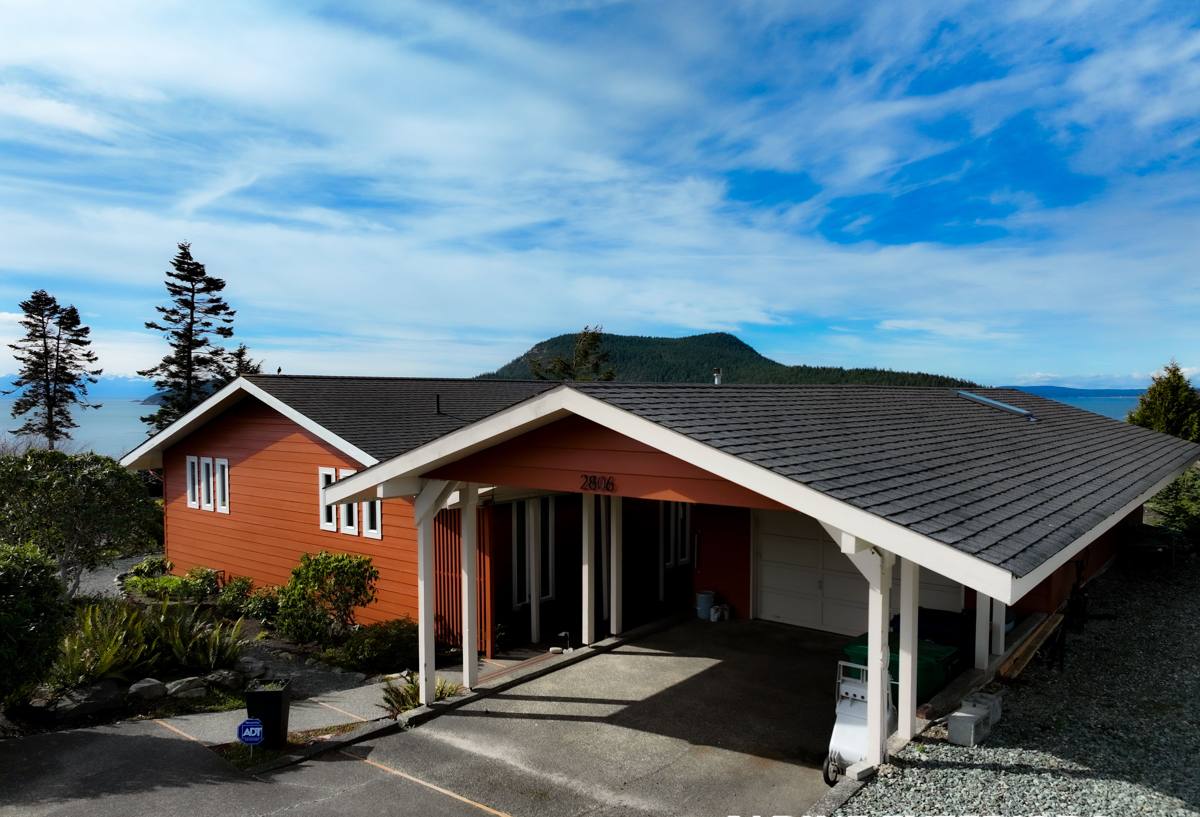
What Silver Lake Homes Actually Face
Moisture That Doesn't Let Up
Everett's wet season runs long — often eight months or more of intermittent rain, drizzle, and heavy overcast. It's rarely a downpour; it's the slow, steady kind of moisture that finds every gap, seam, and unsealed joint on a home's exterior. Materials that can absorb water, even a little, stay damp for days at a time during the winter stretch. That's the root cause behind most of the rot, swelling, and paint failure we see on older homes in the area.
A Long Moss Season
Shaded lots, damp roofs, and mild temperatures are exactly what moss needs to establish itself, and Silver Lake has plenty of tree cover in spots. Moss on a roof isn't just cosmetic — it holds moisture against shingles and roofing components, works its way under laps and flashing, and shortens the life of a roof system if it's left unmanaged. It shows up on north-facing siding and fences too, wherever sunlight and airflow are limited.
Salt Air and Wind-Driven Rain
Everett's proximity to Puget Sound means homes throughout the area get some exposure to salt-laden air, and storms coming off the water frequently arrive as wind-driven rain rather than straight-down rain. That combination pushes moisture into places a house wouldn't see it in a calmer climate — under lap siding, around window trim, and into any gap where caulking or flashing has started to fail. Salt air also accelerates corrosion on unprotected metal fasteners and hardware over time.
Siding in Silver Lake: Why We Install James Hardie and Nothing Else
We're a fiber cement contractor by design. We install James Hardie siding exclusively — we don't offer vinyl, LP SmartSide, Cemplank, Allura, or primed wood siding, and that's a deliberate standard, not a limitation of what we know how to install. In a climate like Silver Lake's, the material matters as much as the workmanship.
Vinyl siding expands and contracts with temperature swings and can warp or buckle under direct sun exposure on south- and west-facing walls, and it doesn't hold paint if a homeowner ever wants to change the color down the road. Engineered wood products like LP SmartSide use a wood-strand core that, while treated, is still an organic material — meaning long-term performance depends heavily on caulking, flashing, and paint maintenance staying ahead of moisture, which is a hard standard to keep up with in an eight-month wet season. Primed wood siding is the most maintenance-intensive option of all, needing repainting on a tight cycle to keep water out.
James Hardie fiber cement is cement, sand, and cellulose fiber — it doesn't absorb water the way wood-based products do, it doesn't support the kind of organic growth that thrives in the shaded, humid corners of a Silver Lake lot, and it's non-combustible. Hardie's ColorPlus factory-applied finish is baked on under controlled conditions rather than field-painted, which gives it better adhesion and UV resistance than a site-applied paint job, and it comes with a substantial, transferable limited warranty. Hardie also engineers regional HZ5 product lines specifically for climates like ours, accounting for moisture exposure that a one-size-fits-all siding product doesn't.
None of this means other products are worthless — vinyl and engineered wood both have a place in the market and plenty of manufacturers stand behind them. It's that after years of doing exterior work in this specific climate, fiber cement is the material we're willing to put our name on.
Roofing for the Neighborhood
Roofing in Silver Lake has to account for both the wet season and the moss problem described above. We look at ventilation, underlayment quality, and flashing detail as closely as the roofing material itself, because in this climate a roof usually fails at a seam or transition point before the field material itself gives out. Proper attic and ridge ventilation also matters more here than in drier regions — poor airflow traps moisture under the roof deck and speeds up rot and moss growth from the inside out.
We also flag moss and debris buildup during roof inspections, since it's one of the easiest problems to catch early and one of the most damaging if it's ignored for a few seasons.
Windows: Comfort and Moisture Control
Older windows in Silver Lake homes — especially aluminum-frame or early dual-pane units — tend to show their age through condensation, drafts, and seal failure well before the glass itself looks obviously worn. In a climate with this much sustained humidity, a failed window seal doesn't just cost you on the heating bill; it lets moisture work into the surrounding wall framing over time. When we replace windows, we pay close attention to flashing and integration with the surrounding siding, since a poorly flashed window is one of the most common hidden leak points on a Pacific Northwest home.
Decks Built to Handle Wet Weather
A deck in Silver Lake spends most of the year exposed to damp air, standing puddles after storms, and — depending on the lot — significant shade that slows drying between rain events. Ledger board connections, joist protection, and proper drainage away from the house are the details that determine whether a deck lasts or starts showing rot within a few years. We build and repair decks with those specifics in mind, not just for how the deck looks on day one.
Why a Local Everett Crew Matters
Silver Lake isn't a place we drive into occasionally — it's within our normal Everett service area, which means our crews already understand the microclimate differences that show up block to block: which lots hold shade and stay damp longer, which streets catch more wind off the lake or the Sound, and how moss tends to establish faster on some roof orientations than others. That local familiarity shapes real decisions — how much ventilation a roof needs, how aggressively to flash a window, how a deck should be sloped for drainage.
Being local also means we're accountable after the job is done. If a warranty question comes up two years down the road, we're still working in the neighborhood, not a crew that was passing through for a season.
Cost Factors to Expect
Every home is different, and we don't quote sight unseen — but these are the variables that typically move the price on exterior work in a neighborhood like Silver Lake:
| Project | What Drives Cost | Climate-Specific Factor |
|---|---|---|
| Siding | Home size, number of stories, trim detail, tear-off of existing material | Extra prep if moisture damage is found under old siding |
| Roofing | Roof size and pitch, material choice, number of layers to remove | Ventilation upgrades and moss remediation add scope |
| Windows | Number and size of openings, frame material, full-frame vs. insert replacement | Flashing integration with existing siding |
| Decks | Square footage, decking material, railing style, structural condition | Drainage and ledger board detailing for wet-season durability |
Maintenance Checklist for Silver Lake Homeowners
Whatever's currently on your home, these are worth checking on a regular basis in this climate:
- Clear moss and debris from roof valleys and gutters at least once before winter and once after
- Look for dark streaking or soft spots on siding, especially on north-facing and shaded walls
- Check caulking around windows and trim for cracking or gaps every year or two
- Confirm gutters and downspouts are directing water away from the foundation and deck footings
- Inspect deck ledger boards and joists for soft or discolored wood where the deck meets the house
- Watch for condensation buildup between window panes, a sign a seal has failed
If you're in Silver Lake and dealing with any of the issues above — or just want an honest read on where your siding, roof, windows, or deck stand — we're glad to come take a look. Estimates are free and there's no pressure attached; you'll get a straight assessment and, if it's needed, a clear explanation of what we'd recommend and why.