 Everett
 Exterior Work Built for South Everett's Climate
South Everett sits close enough to Possession Sound and Puget Sound that homes here deal with a steady diet of moist, salt-tinged air layered on top of the marine rain that defines this part of Snohomish County. It's a different exposure than inland neighborhoods a few miles east. Siding, trim, roofing, and deck lumber all take on more moisture cycling here, and homes on higher, more exposed lots also catch more wind-driven rain against west and south walls. None of this is dramatic weather — it's just relentless, and relentless is what wears exteriors down over time.
We work across South Everett regularly, which matters more than it sounds like it should. A crew that knows which streets sit in fog pockets, which lots hold moss longer into summer, and how the tree canopy in older sections shades roofs and north walls year-round makes better material and detail decisions than a crew seeing the neighborhood for the first time.
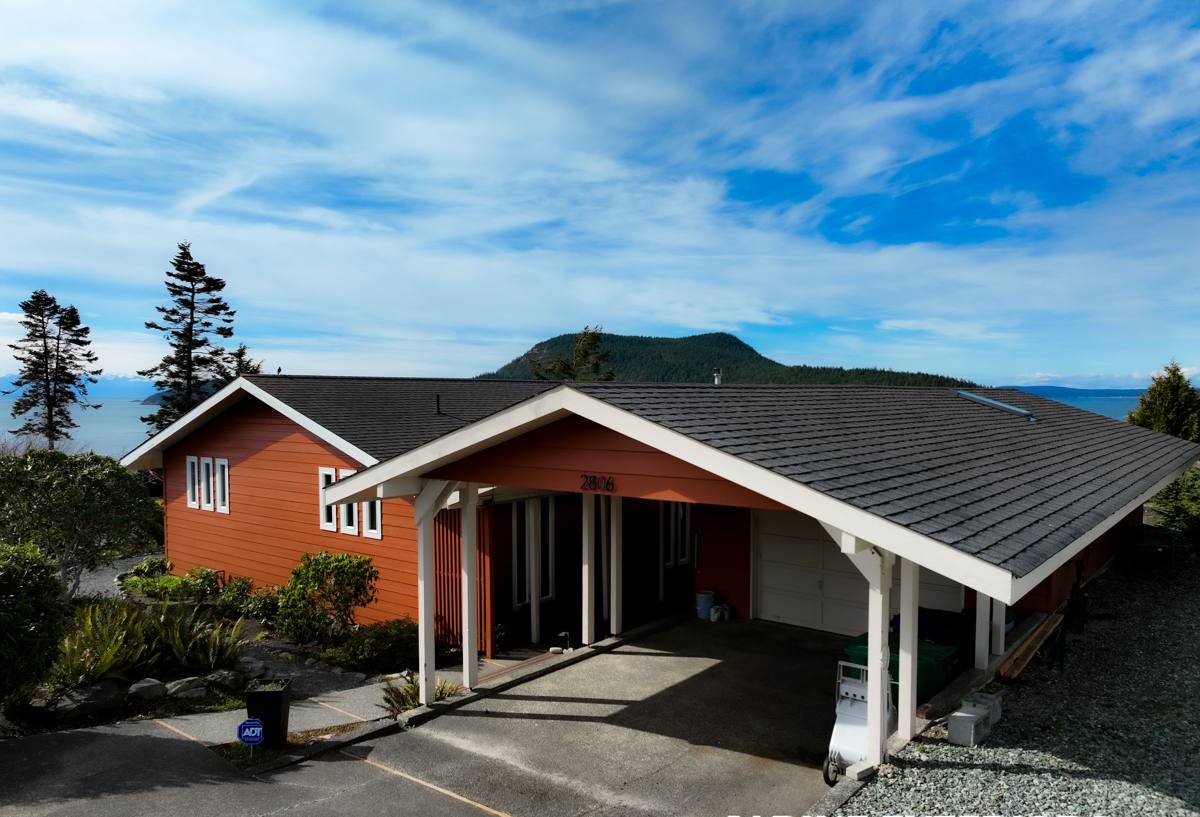
What South Everett Homes Tend to Face
Moss and Algae Pressure
Between the marine layer, shaded lots, and a rainy season that stretches from fall well into spring, moss and algae growth is close to a given on roofs and on north- or west-facing siding that doesn't get much direct sun. Left alone, moss holds moisture against roofing material and traps grit against siding, which accelerates wear on both.
Salt-Influenced Air
South Everett isn't oceanfront, but it's close enough to Puget Sound and Possession Sound that homes pick up some salt-laden moisture in the air, especially on days with onshore wind. Over years, that adds to the corrosion load on fasteners, flashing, and exposed metal trim, and it's one more reason material choice and detailing matter more here than in a dry inland climate.
Driving Rain and Wind Exposure
Storms moving through the Sound often bring rain sideways, not just straight down. That means wall assemblies and window openings need to shed water that's hitting them at an angle, not just water running down a vertical face. Weak flashing details or gaps in house wrap that would go unnoticed in a calmer climate turn into real leaks here.
Siding: Why We Install Only James Hardie
Everett Exterior installs James Hardie fiber cement siding exclusively. We don't install vinyl, LP SmartSide, Cemplank, Allura, or primed spruce or cedar siding, and we think homeowners deserve a straight explanation of why.
The Trade-Offs With Alternatives
Vinyl is inexpensive and low-maintenance, but it's a plastic product that can warp or become brittle over time, and it typically doesn't hold up structurally the way fiber cement does — that matters when wind-driven rain is testing every seam. Wood-based composite sidings like LP SmartSide use engineered wood, which performs well when installation and caulking are perfect and maintained forever, but any cut edge or nail penetration that isn't sealed becomes a moisture entry point in a climate that gives wood very little time to dry out between rain events. Cedar and primed spruce are attractive, traditional choices, but raw or lightly primed wood in a wet marine climate demands a maintenance schedule most homeowners can't keep up with indefinitely — repainting, caulking, and watching for rot are ongoing jobs, not one-time tasks. Other fiber cement brands like Cemplank and Allura are legitimate products, but we've standardized on one manufacturer so our crews master one set of installation specs, one flashing detail standard, and one warranty process, rather than splitting attention across several systems.
Why James Hardie
James Hardie fiber cement is non-combustible, dimensionally stable, and factory-finished with ColorPlus technology, which means the color coat is baked on under controlled conditions rather than field-painted — that finish holds up far better against the freeze-thaw and wet-dry cycling that a marine climate produces. Hardie also engineers specific product lines (HZ5, for instance) for wetter, cooler climate zones like ours, which is a level of climate-specific engineering the other options don't offer. Backed by a strong transferable warranty and installed to Hardie's published details, it's the product we're comfortable standing behind on South Everett homes for decades, not just through the next few winters.
Siding Comparison at a Glance
| Material | Moisture Behavior in Marine Climate | Maintenance Load | Our Position |
|---|---|---|---|
| Vinyl | Can warp/crack; seams are weak points | Low | Not installed |
| LP SmartSide / engineered wood | Vulnerable at unsealed cuts and penetrations | Moderate-high | Not installed |
| Cedar / primed spruce | Absorbs moisture, prone to rot without upkeep | High, ongoing | Not installed |
| Other fiber cement (Cemplank, Allura) | Generally sound, but not our specialization | Low | Not installed |
| James Hardie fiber cement | Engineered for wet climates, factory-finished | Low | What we install |
Roofing for a Wet, Shaded Climate
Roofs in South Everett work harder than they look like they should. Constant moisture, seasonal moss growth, and organic debris from mature trees combine to shorten the effective life of a roof that isn't detailed and maintained correctly. Good roofing here isn't just about the shingle or material choice — it's about flashing at every valley, chimney, and wall intersection, adequate attic ventilation to control condensation, and gutter and drip-edge details that actually move water off the structure instead of letting it back up under the roofing material.
We look at ventilation and moisture management as part of any roofing job, not an afterthought, because a roof that traps moisture underneath will fail from the inside regardless of how good the surface material is.
Windows: Sealing Out Driving Rain
Window failures in this climate are rarely about the glass — they're about the flashing and sealant details around the frame. When rain is hitting a wall at an angle instead of falling straight down, any gap in the window's integration with the house wrap and flashing becomes a path for water to get behind the siding. When we replace windows, we treat the flashing and integration with the wall assembly as the part of the job that actually determines whether the window stays dry for the next twenty years, not just the window unit itself.
Energy performance matters too. Well-sealed, properly flashed windows cut down on drafts and condensation on interior glass, which is a common complaint in homes with older single-pane or poorly sealed units during our wetter, cooler months.
Decks: Built to Handle Standing Moisture
Decks in South Everett spend a large part of the year damp, and in shaded yards they may not fully dry out between rain events for weeks at a stretch. That makes ledger board flashing, proper spacing between boards, and drainage below the deck surface just as important as the decking material itself. A deck that looks fine on the surface can be developing rot at the ledger connection or support posts if it wasn't built with drainage and flashing in mind from the start.
We also talk with homeowners about material trade-offs for decking — pressure-treated lumber, cedar, and composite all behave differently under constant moisture exposure, and the right choice depends on budget, maintenance appetite, and how much sun versus shade the deck actually gets.
Why a Local Crew Matters Here
Exterior work in Snohomish County isn't the same job as exterior work in a dry climate, and it isn't even quite the same job everywhere in the county. South Everett's mix of tree cover, proximity to the Sound, and mature housing stock means details that are optional elsewhere — extra flashing at wall penetrations, ventilation sized for constant humidity, moss-resistant roofing choices — are just standard practice for us here. A crew that works this specific area regularly also knows what tends to fail first on homes of a given age and construction type, which shapes what we look for during an inspection or estimate.
What to Have Ready Before an Estimate
- Approximate age of your current siding, roofing, windows, or deck
- Any known trouble spots — leaks, soft spots, visible moss, or peeling paint
- Whether you've had recent repairs or patch work done in that area
- General timeline and whether this is planned or driven by damage
- Any HOA or historical district guidelines that might affect material or color choice
How We Approach a South Everett Project
Every project starts with a walk-around inspection, not a generic quote. We look at drainage around the foundation, existing flashing conditions, ventilation, and any signs of past moisture intrusion before we talk about material or price. For siding specifically, that inspection also tells us what's happening underneath the current cladding, since a full siding replacement is the point where hidden moisture damage usually gets found and fixed for good.
From there we walk through material options, realistic timelines that account for our rainy season, and what maintenance — if any — you'll be responsible for afterward. With James Hardie siding, that ongoing maintenance list is short by design, which is part of why we standardized on it for a climate like this one.
If you're weighing a siding, roofing, window, or deck project in South Everett, we're glad to come take a look and walk you through what we're seeing and what it would take to fix it right. The estimate is free, there's no pressure, and you'll get a straight answer about what your home actually needs.