 Everett
 Exterior Work Built for West Everett's Marine Climate
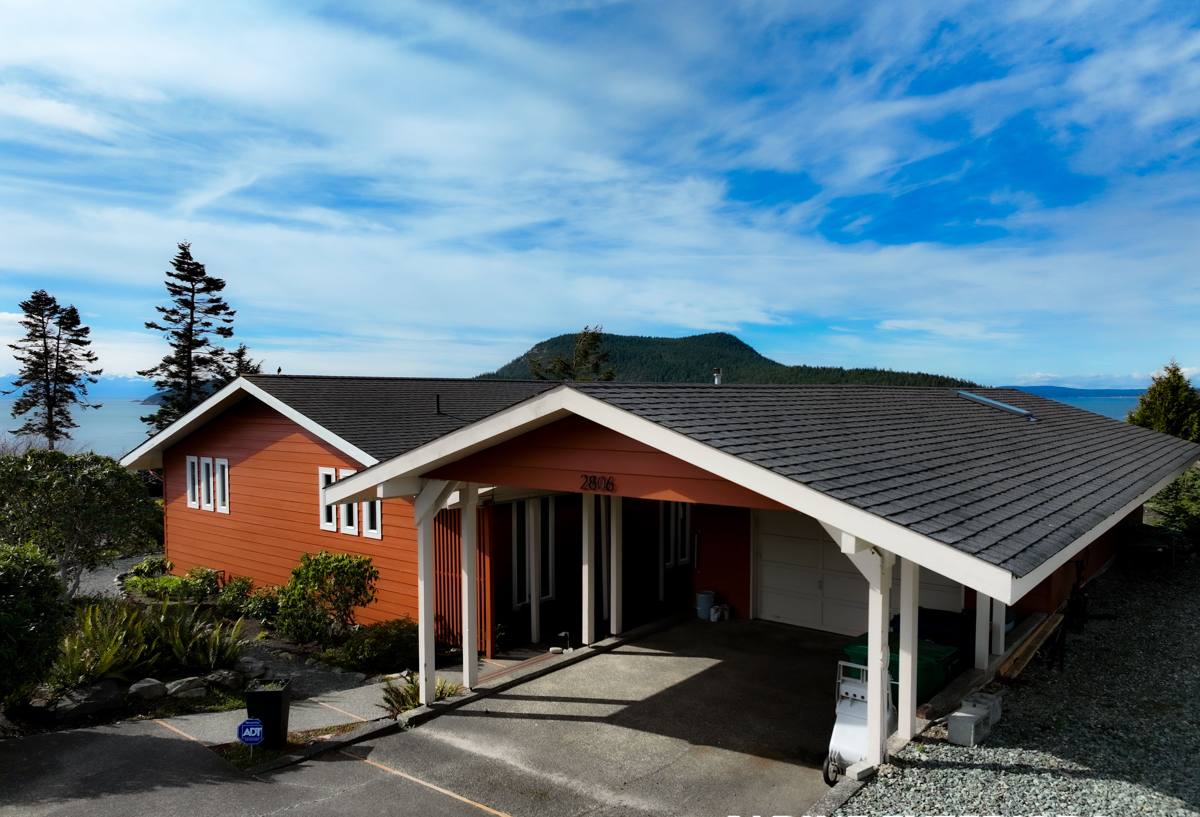
West Everett sits close enough to Port Gardner Bay and the greater Puget Sound shoreline that homes here deal with a different set of exterior stresses than houses further inland in Snohomish County. Salt-laden air off the water, wind-driven rain that finds every gap in flashing and trim, and a long, wet moss season that can run from October through May all wear on siding, roofing, windows, and decks in ways that generic "one-size-fits-all" exterior work doesn't account for. Everett Exterior works this neighborhood regularly, and our approach to siding, roofing, windows, and decks reflects what actually happens to homes on this side of town.
This page walks through the specific climate pressures West Everett properties face, how each of our core services responds to them, and what to look for when hiring an exterior contractor in this part of Snohomish County.
What West Everett's Climate Does to a House
Salt Air and Corrosion
Proximity to the water means airborne salt settles on exterior surfaces, fasteners, and metal flashing year-round. Over time, salt exposure accelerates corrosion on lower-quality fasteners and trim components, and it can dull or degrade paint finishes that weren't engineered to handle it. It's a slow process, but it's constant, and it separates materials that hold up in this environment from materials that were designed for a drier, inland climate.
Driving Rain
Everett gets wind off the Sound that drives rain sideways into wall assemblies, window frames, and roof edges rather than just falling straight down. That matters because a lot of exterior failures aren't caused by water landing on a surface — they're caused by water getting pushed *behind* a surface through a seam, a gap, or a poorly flashed joint. Siding, window, and roofing details that work fine in calmer climates can fail here specifically because of wind-driven moisture intrusion.
Moss and Prolonged Dampness
Snohomish County's wet season is long, and shaded, north-facing sections of roofs and siding in West Everett often stay damp for weeks at a stretch. That's exactly the environment moss and algae need to establish. Moss on a roof isn't just cosmetic — as it grows, it holds moisture against the roofing material and can work its way under shingle edges, shortening the life of the roof. Siding in similarly shaded, damp spots is prone to the same growth if the material and installation don't account for drainage and drying.
Siding: Why We Only Install James Hardie
Siding is the single biggest factor in how well a home's exterior handles West Everett's climate, because it's the primary barrier against wind-driven rain and constant humidity. Everett Exterior installs James Hardie fiber cement siding exclusively — we don't install vinyl, LP SmartSide, cedar, primed spruce, or other fiber cement brands like Allura or Cemplank. That's a deliberate standard, not a limitation in what we're capable of installing.
Why We Made That Call
- Moisture behavior: Fiber cement doesn't swell, rot, or delaminate the way wood-based and some engineered wood products can when they take on repeated moisture exposure — a real risk in a climate this wet.
- Non-combustible material: James Hardie siding is fiber cement, not a combustible wood product, which is a meaningful difference for long-term durability and insurance considerations.
- Factory-applied finish: Hardie's ColorPlus finish is baked on in a controlled factory environment, which holds up better against fading and moisture than field-applied paint on other siding types.
- Climate-engineered product lines: Hardie's HZ5 products are specifically engineered for Pacific Northwest-style wet, freeze-thaw climates.
- Warranty structure: James Hardie backs its siding with a strong, transferable warranty when installed to spec, which matters for resale value on a West Everett home.
We're not saying every alternative product is a bad choice for every homeowner everywhere. We're saying that after years of installing and maintaining siding in this specific climate, fiber cement from James Hardie is the product we're willing to stand behind long-term, so it's the only one we put on homes.
James Hardie Product Lines We Install
| Product | Best Use | Why It Fits West Everett |
|---|---|---|
| HardiePlank lap siding | Most common residential application | Traditional look, engineered for wet Pacific Northwest exposure |
| HardiePanel vertical siding | Modern facades, accent walls | Clean lines, holds ColorPlus finish well |
| HardieShingle | Craftsman and cottage-style homes | Shingle look without wood's moisture vulnerability |
| HardieTrim | Window, door, and corner trim | Resists the swelling and rot that plague wood trim in damp shade |
Roofing: Managing Rain and Moss
A roof in West Everett has to do two jobs at once: shed wind-driven rain effectively and resist moss growth in the shaded, slow-drying sections that almost every lot has somewhere. We evaluate roof pitch, shade exposure, and existing ventilation before recommending materials or repairs, because a roofing system that ignores airflow and drainage will grow moss again within a season or two regardless of how new the shingles are.
What We Look At on a Roof Assessment
- Flashing condition around chimneys, vents, and roof-to-wall transitions — the most common source of wind-driven leaks
- Attic and roof ventilation, which affects both moss growth and interior moisture buildup
- Gutter and downspout function, since standing water backs up under shingle edges
- Existing moss or algae staining, which tells us where drainage and sun exposure are weakest
- Overall shingle or roofing material condition and remaining service life
Windows: Sealing Out Wind-Driven Rain
Window failures in West Everett are rarely about the glass — they're almost always about the seal between the window frame and the wall assembly. Wind-driven rain will find a poorly flashed or improperly sealed window and push moisture behind the frame, where it can rot sheathing and framing long before anyone notices a problem from inside the house. When we replace windows, proper flashing integration with the surrounding siding is treated as just as important as the window unit itself. A well-installed window paired with poor flashing will still leak; a properly flashed installation is what actually keeps water out over the long run.
Signs a West Everett Home May Need Window Attention
- Fogging or condensation between panes (failed seal on the glass unit itself)
- Soft or discolored trim or drywall around a window frame
- Drafts or noticeable temperature difference near windows during storms
- Visible gaps or deteriorated caulking at the frame-to-siding joint
Decks: Built for Year-Round Wet Exposure
Decks in this part of Snohomish County spend a large share of the year wet, which puts real pressure on ledger connections, joist hardware, and any wood surface that doesn't get a chance to fully dry between rain events. Proper flashing at the ledger board — where the deck attaches to the house — is one of the most important and most commonly overlooked details in deck construction, especially in a climate this damp. We build and repair decks with attention to drainage, fastener corrosion resistance, and ledger flashing specifically because those are the failure points we see most often in wet coastal climates like this one.
Why a Local Crew Matters Here
Exterior work in West Everett benefits from a crew that already understands this specific microclimate — where the shaded, moss-prone sections of a roof tend to sit relative to the water, how far wind-driven rain typically pushes under trim on a Sound-facing wall, and which flashing details actually hold up here versus what's written in a generic installation manual. A contractor who works Snohomish County regularly isn't guessing at these details on your project; they've already seen how the last dozen homes in the area held up over time.
What to Look for When Hiring
| Factor | Why It Matters |
|---|---|
| Local licensing and insurance | Protects you if something goes wrong during the project |
| Manufacturer certification (e.g., James Hardie) | Confirms the crew is trained on correct installation, which is what keeps warranties valid |
| Written, itemized estimates | Avoids vague scopes of work and surprise costs mid-project |
| Experience in coastal/marine climates specifically | Generic inland installation practices often fail against wind-driven rain and salt air |
| Willingness to explain flashing and moisture details | A contractor who can't explain how they're keeping water out probably hasn't thought it through |
Getting Started
Whether you're dealing with aging siding, a moss-covered roof, drafty windows, or a deck that's showing its age, the first step is a straightforward, no-pressure look at what's actually going on with your home's exterior. If you're in West Everett and want an honest assessment of your siding, roofing, windows, or deck, request a free estimate below and we'll walk through what we see and what your options are.