 Everett
 Exterior Work Built for Pinehurst's Climate
Pinehurst sits within Everett, close enough to the water that homes here deal with a version of Snohomish County weather that's a notch harsher than what you'd find further inland. Salt-laden air off Port Gardner Bay and Possession Sound travels farther than most homeowners expect, driving rain comes in sideways during winter storms instead of falling straight down, and the long stretch of gray, damp months between fall and spring gives moss and algae plenty of time to take hold on roofs, siding, and anything shaded by trees. None of this is unusual for the Pacific Northwest, but it does mean exterior materials and installation choices that work fine in a drier climate can fail early here.
We work on homes throughout Pinehurst and the surrounding Everett area, and the patterns repeat house after house: siding that's absorbed moisture at the seams, roof edges holding onto moss longer than they should, window frames that have gone soft where flashing was skipped, and decks that never quite dry out between rain events. Understanding why those failures happen is the first step to avoiding them.
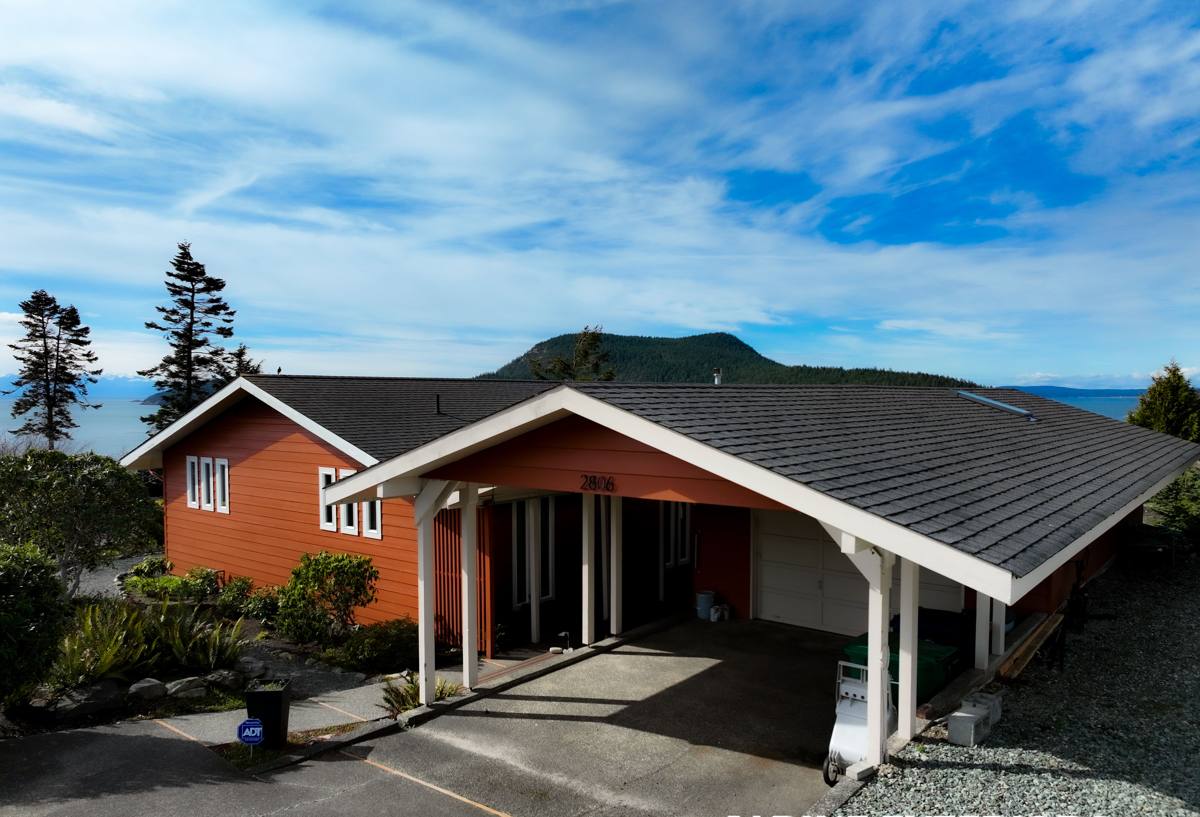
What Pinehurst Homes Are Actually Up Against
Salt Air and Metal Fatigue
Even a few miles from open water, airborne salt accelerates corrosion on fasteners, flashing, gutters, and any exposed metal trim. Cheap or improperly coated hardware can start rusting within a few years, and once a fastener corrodes, the material it's holding starts to fail too. This is one of the reasons fastener quality matters as much as the siding or roofing product itself.
Wind-Driven Rain
Everett gets a lot of rain, but the bigger issue is the direction it comes from during winter storms. Wind-driven rain pushes water sideways into seams, laps, and joints that were designed for water running straight down. Homes with south and west exposures in Pinehurst tend to take the brunt of this, and it's where we see the most moisture-related siding and trim damage.
Extended Moss and Algae Season
Shaded, north-facing roof and wall sections in this area can stay damp for weeks at a stretch. That's ideal growing conditions for moss and algae, which hold moisture against the surface underneath, degrade shingles and siding finishes over time, and make a home look neglected even when the underlying structure is sound.
Siding: Why We Only Install James Hardie
We install James Hardie fiber cement siding exclusively. We don't install vinyl, LP SmartSide, Cemplank, Allura, or primed wood siding like spruce or cedar, and that's a deliberate standard, not a lack of options. Each of those alternatives has real strengths, but in a climate like Pinehurst's — salt exposure, sustained moisture, and moss pressure — the trade-offs stack up against them.
- Vinyl is affordable and low-maintenance, but it can warp in heat, crack in cold snaps, and its color is baked in, not refinished — once it fades or chalks, there's no bringing it back.
- LP SmartSide and other engineered wood products perform well when installation and caulking are perfect and stay perfect, but they're wood-based, and wood-based siding depends on flawless moisture management over decades in a wet climate to avoid swelling at cut edges and seams.
- Cemplank and Allura are also fiber cement, and reasonable products, but we've standardized on one manufacturer so our crews, our warranty process, and our color-matching stay consistent — and Hardie's regional engineering and factory finish process are the ones we trust most for this specific climate.
- Primed cedar or spruce looks great on day one, but raw wood siding needs a maintenance commitment — recoating, caulk checks, moisture monitoring — that most homeowners underestimate until the first signs of rot show up at butt joints.
James Hardie fiber cement is non-combustible, doesn't expand and contract with moisture the way wood-based products do, and comes with a factory-applied ColorPlus finish that's baked on rather than field-painted, which matters in a place where the paint has to survive salt air and near-constant damp cycles. Hardie also makes climate-engineered HZ product lines specifically formulated for wetter regions, which is directly relevant to Pinehurst's weather pattern. The finish is backed by a real transferable warranty, which carries weight if you sell the home down the road.
None of this means the alternatives are bad products — it means that after years of installing and repairing exteriors in this climate, we decided we'd rather put one material on every home and stand fully behind it than offer five options and hedge on which one holds up.
Roofing for Rain, Wind, and Moss
Roofing in Pinehurst has to handle sustained rain volume, occasional high wind events, and the moss and algae growth that comes with shaded, damp roof sections. We look closely at underlayment quality, valley and flashing detail, and ventilation — a roof that traps moisture in the attic will fail from the inside out well before the shingles themselves wear out. Proper edge and ridge ventilation also reduces the moisture buildup that feeds moss growth in the first place.
Gutters and downspouts matter more here than in drier climates, too. Undersized or clogged gutters during a heavy Snohomish County rain event send water directly down the siding face and behind trim, which is one of the more common causes of hidden rot we find on older Pinehurst homes.
Windows: Where Water Actually Gets In
Most window failures we see aren't the glass or the frame itself — they're flashing and sealant failures around the opening that let wind-driven rain track behind the window and into the wall cavity. Replacement windows installed without correct flashing integration into the surrounding siding are a slow, invisible leak waiting to happen, especially on the storm-facing sides of a house. When we replace windows, the flashing detail and the tie-in to the siding system get as much attention as the window unit itself.
Decks Built to Actually Dry Out
A deck in this climate spends a large part of the year wet. The details that matter aren't glamorous: proper spacing between boards so air can move and water can drain, ledger board flashing where the deck meets the house, and hardware rated for exterior and near-coastal exposure so it doesn't corrode and stain the decking around it. A deck built without those details will look fine for a season or two and then start showing soft spots, staining, or fastener failure well ahead of schedule.
Material Trade-Offs at a Glance
| Material | Upfront Cost | Moisture Resistance in This Climate | Maintenance Burden |
|---|---|---|---|
| Vinyl Siding | Lower | Doesn't rot, but seams can leak; can warp/crack | Low, but no refinishing option once faded |
| LP SmartSide / Engineered Wood | Mid | Good if sealed perfectly and kept that way | Ongoing caulk and edge monitoring |
| Primed Cedar/Spruce | Mid-High | Vulnerable at joints without diligent upkeep | High — recoating and inspection cycles |
| James Hardie Fiber Cement | Mid-High | Engineered for wet climates, doesn't swell with moisture | Low — factory finish, occasional wash |
Why a Local Crew Matters in Pinehurst
A crew that works across Everett and Snohomish County regularly sees how homes in this specific area age — which sides take the worst weather, how far salt air actually travels inland here, which roof lines hold moss longest. That local pattern recognition shapes real decisions: where extra flashing attention goes, which fastener grade to use, how ventilation gets planned. A crew unfamiliar with this climate can install a technically correct exterior that still underperforms here because the details that matter in Pinehurst aren't the same ones that matter in a drier region.
Signs Your Exterior Needs a Look
- Moss or dark streaking building up on north-facing roof slopes or siding
- Soft or spongy spots on deck boards, especially near the house or stair stringers
- Paint or caulk failing at window trim, especially on storm-facing walls
- Rust staining running down from fasteners, flashing, or gutter hangers
- Siding that feels swollen, bubbled, or soft at seams and bottom edges
- Gutters overflowing or pulling away during heavy rain
Get a Straight Answer About Your Home
Every Pinehurst home carries its own combination of sun exposure, tree cover, and wind direction, which means the right approach isn't identical from house to house. If you're noticing any of the signs above, or you're just planning ahead for siding, roofing, windows, or a deck, we're happy to take a look and give you an honest read on where things stand. Reach out for a free, no-pressure estimate using the form below.