 Everett
 Exterior Contracting for Glenhaven Homes
Glenhaven is one of the many established residential pockets that make up Everett, and like the rest of Snohomish County, it sits squarely in a marine climate that is hard on the outside of a house. Homes here see a mix of housing stock — from older ranch and split-level construction to newer infill builds — and regardless of age, every one of them is fighting the same slow battle against moisture, wind-driven rain, and shade-grown moss. We work on exteriors throughout Everett, and Glenhaven's mix of mature trees, close-set lots, and proximity to Puget Sound air gives it its own specific maintenance pattern.
This page walks through what we actually see on Glenhaven exteriors, how our siding, roofing, window, and deck work is approached for this kind of property, and why hiring a crew that knows this specific stretch of Everett matters more than most homeowners assume.
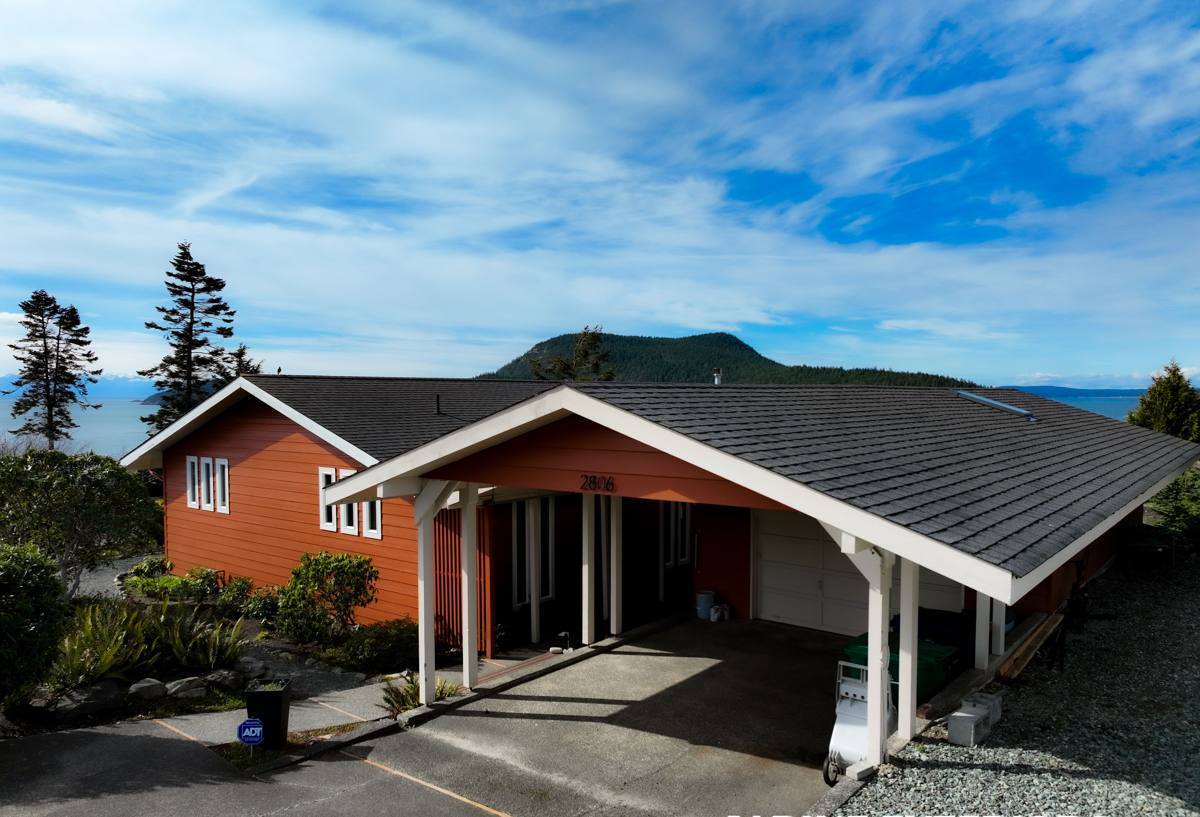
What the Local Climate Does to a House
Salt Air and Moisture
Everett sits close enough to Puget Sound that airborne salt and moisture are part of daily life on an exterior surface, even away from the immediate waterfront. Salt-laden air accelerates corrosion on fasteners, flashing, and any exposed metal trim, and it keeps painted and unpainted wood surfaces perpetually damp longer than they'd stay in a drier inland climate. Over years, that constant damp-dry cycling is what causes paint film failure, wood checking, and the slow breakdown of caulking and sealant joints around windows and trim.
Driving Rain
Snohomish County doesn't just get a lot of rain — it gets a lot of wind-driven rain, which behaves very differently than a straight-down shower. Driving rain gets pushed sideways into lap joints, under trim, and into any gap in flashing or siding overlap that wouldn't normally see water. Homes in Glenhaven with older siding systems, especially anything with butt joints that were caulked rather than properly flashed, are the ones we most often find with hidden moisture damage behind the cladding.
A Long Moss Season
Shade from mature trees, high humidity, and mild winters add up to a moss and algae season in this part of Everett that runs most of the year, not just a few wet months. Roofs facing north or shaded by neighboring trees build up moss fastest, and moss doesn't just sit on top of shingles — its root structure lifts granules and holds moisture against the roof deck, which shortens the life of the roofing system underneath it. The same organic growth shows up on siding, decking, and fencing, particularly on the north and west-facing sides of a property.
Siding: Why We Only Install James Hardie
We install James Hardie fiber cement siding exclusively. That's a deliberate standard, not a limitation of what we're capable of installing, and it comes directly from what we've learned about which siding systems actually hold up to the conditions described above.
Fiber cement is non-combustible, doesn't swell or rot when it takes on moisture the way wood-based products can, and James Hardie's ColorPlus factory-applied finish is baked on under controlled conditions rather than field-painted, which matters enormously in a climate where a fresh paint job barely gets a dry week to cure. Hardie also engineers climate-specific product lines (their HZ5 designation is built for regions like ours with more moisture exposure), so what goes on a Glenhaven home is matched to the actual conditions it will face, not a generic national spec.
What Correct Installation Involves
- Proper rain-screen or drainage plane behind the siding so incidental moisture can escape instead of sitting against the wall sheathing
- Correct fastener type and spacing — under-fastening or using the wrong fastener is one of the most common failure points in fiber cement installs
- Factory-mitered or properly flashed joints at every butt seam, since this is exactly where driving rain finds its way in
- Correct clearance at grade, decks, and roof lines so the siding never sits in standing water or snow
- Caulking only where Hardie's install spec actually calls for it — over-caulking traps moisture instead of shedding it
We won't install vinyl, LP SmartSide, Cemplank, Allura, or primed cedar or spruce siding. Each of those products has genuine strengths — vinyl and LP are inexpensive, cedar looks the part — but each one also carries a real-world trade-off in this climate: vinyl can warp and fade under sun-and-salt cycling and doesn't hold paint if a homeowner wants a color change later, engineered wood siding is more sensitive to sustained moisture exposure at cut edges and joints, and solid wood siding demands a repainting and recaulking commitment most homeowners don't want to keep up with for 30 years. We'd rather put one product on every home, get very good at installing it correctly, and stand behind it with a strong transferable warranty than offer a menu of products with different long-term outcomes.
Roofing in a Moss-Heavy Neighborhood
Roofing work in Glenhaven is shaped almost entirely by tree cover and moisture retention. A roof that's shaded much of the day dries slower after every rain, which means moss and algae get a head start that a sunnier roof across town wouldn't see. We look closely at ventilation, underlayment condition, and flashing detail around chimneys, skylights, and valleys — those are the spots where a slow leak develops quietly for years before it shows up as a stain on a ceiling. Whether it's a full replacement or a targeted repair, we're checking the roof deck itself for moisture damage, not just the shingles on top of it.
Windows: Sealing Out Wind and Rain
Older windows in this part of Everett tend to fail at the seal and flashing before the glass itself gives out — that's consistent with what driving rain does to any gap in a building envelope. Replacement windows need to be installed with proper flashing integration into the surrounding siding or trim, not just caulked into the existing opening, or you end up trading one leak point for a new one. Modern window units also bring real energy performance gains in a climate where heating runs a large part of the year, which is a practical bonus beyond just stopping drafts.
Decks: Built for Wet Ground and Shade
Decks in shaded, tree-covered yards — common in Glenhaven — hold moisture against ledger boards, joists, and decking material longer than a deck in full sun would. That means ledger flashing and proper gap spacing between boards matter even more here, since airflow underneath and around the deck is what actually dries it out between rain events. We also see moss and algae buildup on deck surfaces as a routine maintenance item in this neighborhood, not an occasional nuisance.
Cost Factors for Glenhaven Exterior Projects
Every property is different, but these are the variables that most often move a project's scope and cost in this neighborhood:
| Factor | Why It Matters Here |
|---|---|
| Tree cover and shade | Drives moss growth, slows drying time, affects roof and siding lifespan |
| Existing siding condition | Hidden moisture damage behind old siding can add sheathing repair to a residing job |
| Roof pitch and access | Steeper or harder-to-access roofs affect both labor and safety setup |
| Age of flashing and trim | Older flashing details often need full replacement, not just a patch, once siding is opened up |
| Deck ledger and framing condition | Shaded, damp framing may need structural repair before new decking goes down |
Why a Local Crew Matters
A crew that works this part of Snohomish County regularly knows which sides of a house take the worst driving rain, how fast moss comes back on a shaded roof, and which older siding and flashing details tend to be hiding moisture damage before a single panel comes off. That local pattern recognition changes how we scope a job from day one — it's the difference between a quote that holds and one that grows once the walls are opened up. We're not guessing at what a Glenhaven exterior needs; we've seen the same conditions repeat house after house.
Get a Straightforward Look at Your Exterior
If you're noticing moss buildup, soft spots in siding or trim, drafty windows, or a deck that never quite dries out, it's worth having someone take an honest look before small problems turn into structural ones. We offer free, no-pressure estimates for siding, roofing, window, and deck work throughout Everett, including Glenhaven — use the form below to get started.