 Everett
 Exterior Contracting for Delta Homes in Everett
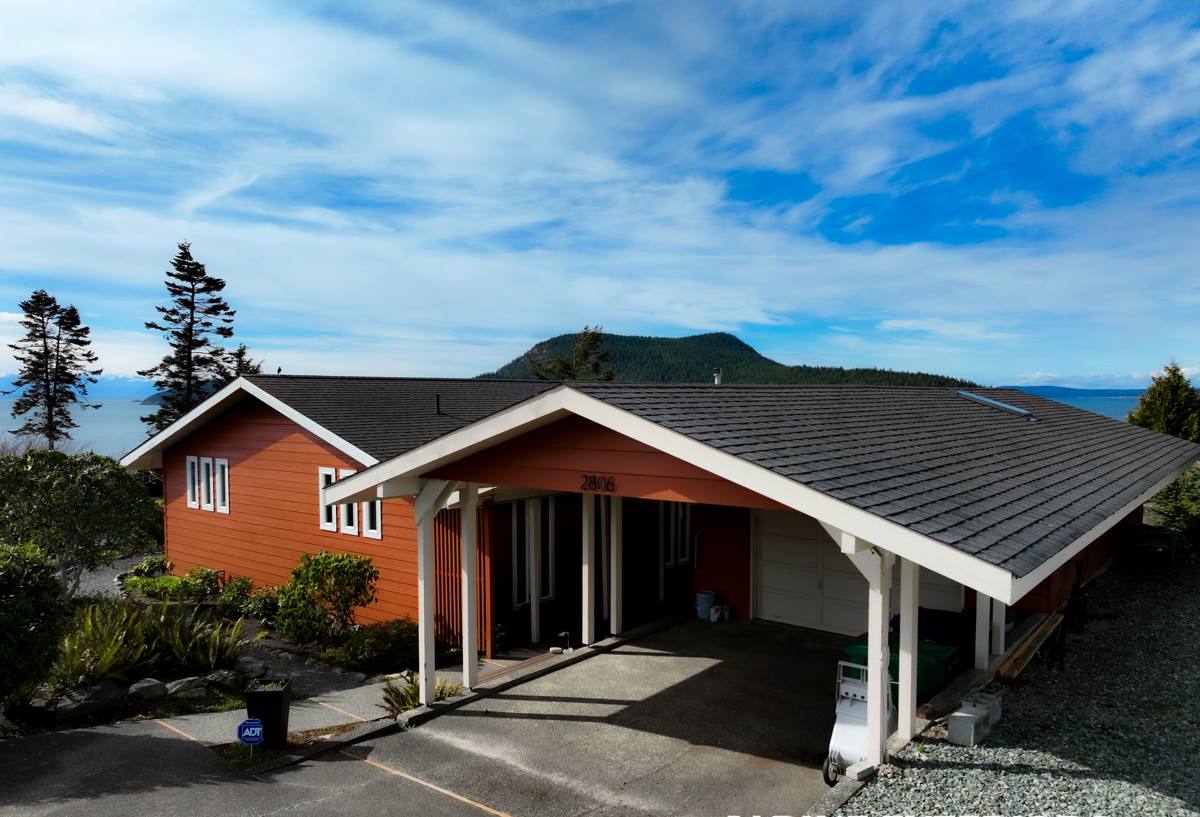
Delta is one of the older working neighborhoods inside Everett city limits, and like most of Snohomish County it sits close enough to Puget Sound and the Snohomish River delta that homes here deal with a wetter, saltier version of the standard Pacific Northwest climate. Whether your house is a mid-century rambler, a postwar bungalow, or a newer infill build, the exterior envelope is doing the same job every day: keeping moisture, wind, and salt-laden air away from the framing underneath. We're a local Everett exterior crew that works this neighborhood regularly, and this page covers what we actually see on Delta homes and how our siding, roofing, window, and deck work is built around it.
What Everett's Climate Does to Delta Homes Over Time
Salt air and marine moisture
Everett sits on Port Gardner Bay, and even inland neighborhoods like Delta get a steady dose of marine air moving in off the water. That air carries fine salt and moisture that settles on exterior surfaces day after day. On unprotected wood trim, exposed fasteners, and lower-grade siding products, this shows up as premature paint failure, rusting fastener heads bleeding through finishes, and soft spots where moisture has worked its way behind the surface. It's a slow process, which is exactly why it gets ignored until a repair becomes a full replacement.
Moss, algae, and a long shaded season
Snohomish County's moss season isn't a few weeks — it's most of the year. Between October and May, siding, roofing, and deck surfaces that don't get much direct sun stay damp for days at a stretch. Mature trees and close-set lots in older Delta blocks add shade that keeps north- and east-facing walls wet even longer. Moss and algae aren't just cosmetic; they hold moisture against the surface underneath them, and on porous or poorly sealed materials that constant dampness is what eventually causes rot, delamination, or coating breakdown.
Wind-driven rain and horizontal exposure
Storms coming off the Sound don't just fall straight down — wind pushes rain sideways into wall assemblies, window flashing, and siding laps. Products and installation details that work fine in a drier climate can fail here specifically because the water is hitting seams and joints from the side, not just the top. This is one of the biggest reasons installation quality matters as much as the material itself: correct flashing, lap spacing, and caulking details are what keep wind-driven rain from finding its way behind the cladding.
Siding in Delta: Why We Install Only James Hardie
We install James Hardie fiber cement siding exclusively. We don't install vinyl, LP SmartSide, Cemplank, Allura, primed spruce, or cedar, and we think Delta homeowners deserve an honest explanation of why — not just a sales pitch for what we happen to sell.
Vinyl is inexpensive and low-maintenance in the sense that it doesn't need painting, but it's a thin, flexible material that can warp in heat, crack in cold, and fade unevenly over years of UV and salt exposure. In a marine climate, the seams and J-channels around windows and corners are also common points where wind-driven rain finds a way behind the panel. LP SmartSide and other engineered wood-strand products perform reasonably well when installation and caulking are kept up perfectly, but they're wood-based, and wood-based siding depends on an intact factory coating to keep moisture out — any gap, chip, or missed caulk joint gives water a path into the substrate. Cedar and primed spruce are genuinely beautiful, but real-wood siding in a climate with this much rain and moss pressure requires a maintenance schedule — re-staining, re-caulking, replacing damaged boards — that most homeowners underestimate when they choose it.
James Hardie fiber cement is cement, sand, and cellulose fiber. It doesn't absorb water the way wood-based products do, it won't warp or melt, and it's noncombustible, which matters given wildfire smoke seasons have become a real consideration even west of the Cascades. Hardie's ColorPlus factory finish is baked on under controlled conditions rather than field-applied, which gives a more consistent, longer-lasting color than most job-site paint jobs. Hardie also engineers its HZ product lines by climate zone — the HZ5 line used in the Pacific Northwest is formulated for high-moisture, freeze-adjacent conditions like ours, which is different from what gets shipped to a dry Southwest market. Backed by a strong transferable warranty, it's the product we're willing to put our name behind on a Delta roof line facing a full Everett winter.
Siding Options Compared
| Material | Moisture Behavior | Maintenance | Fire Rating | Typical Lifespan |
|---|---|---|---|---|
| Vinyl | Doesn't absorb water, but seams can let water behind panels | Low, but panels can warp/fade and aren't repairable in place | Combustible, can melt/deform | 20-30 years, variable |
| LP SmartSide / engineered wood | Wood-strand core; depends on intact coating and caulking | Moderate — coating and joints need regular inspection | Combustible | 20-30 years with upkeep |
| Cedar / primed spruce | Absorbs and releases moisture; needs breathable finish | High — restaining/sealing on a recurring cycle | Combustible | Varies widely with maintenance |
| James Hardie fiber cement | Doesn't swell, rot, or absorb water like wood products | Low — factory finish, occasional wash | Noncombustible | Manufacturer-rated for decades with transferable warranty |
Roofing for Delta's Wet Winters
A roof in this part of Snohomish County is dealing with sustained rain, occasional wind events, and moss growth that can shorten the life of shingles if it's never addressed. Our roofing work covers full replacements, tear-offs, and roof-related repairs, and we pay particular attention to the details that matter most in a wet climate: proper underlayment, ice-and-water shield at valleys and eaves, and ventilation that keeps moisture from building up in the attic during long stretches of grey weather. A roof and siding system that are installed by the same crew also means flashing details at the wall-roof transition — a common leak point — are handled with one job in mind, not two separate contractors assuming the other one covered it.
Windows: Matching the Rest of the Envelope
Windows are one of the most common places wind-driven rain gets into a wall assembly, especially on older Delta homes with original single-pane or early dual-pane units. When we replace windows, we're not just swapping glass — we're re-flashing the opening correctly so it ties into the surrounding siding and building paper the way it's supposed to. That integration matters more than the window brand itself. A high-end window installed with poor flashing will leak; a modest window installed correctly usually won't. For homeowners doing a siding project, replacing windows at the same time often makes sense simply because the wall is already open and the flashing details can be done once, correctly, instead of twice.
Decks Built for the Wet Side of the Year
Decks in Delta face the same moss and standing-water pressure as roofs, just at ground level where it's easier to ignore. Ledger board connections, joist tops, and any spot where two pieces of wood meet flat against each other are where rot tends to start first, because that's where water sits longest without drying. Our deck work focuses on those hidden details — proper flashing at the ledger, joist tape or equivalent protection, and drainage that doesn't let water pool — along with decking material choices that hold up to a long damp season rather than just looking good on installation day.
Why a Local Everett Crew Matters
Exterior work in this climate isn't the same job as exterior work in a dry region, and a crew that mostly works elsewhere doesn't always catch that. A local Snohomish County crew knows which details actually matter here: how far to keep siding off grade given our rain patterns, how much ventilation a roof assembly needs to handle a wet winter, and where moss pressure tends to concentrate on a given lot orientation. Being local also means we're not driving hours to get back to a Delta job if something needs a follow-up look — warranty service and punch-list items get handled by the same crew that did the original work, not routed through a call center.
How a Project Runs, Start to Finish
- Free on-site estimate — we walk the exterior, note problem areas (moss buildup, soft trim, flashing gaps), and give you honest scope and pricing.
- Material selection — for siding, that means Hardie plank profile, color, and trim details; for roofing, shingle type and ventilation plan.
- Prep and protection — landscaping, walkways, and windows are protected before any tear-off or removal starts.
- Installation to manufacturer spec — correct fastening, lap, and flashing details, not shortcuts that save a day but cost you a leak later.
- Final walkthrough — we go over the finished work with you before calling the job done, and warranty paperwork is provided in writing.
A Homeowner's Maintenance Checklist for Delta's Climate
Even the right materials installed correctly benefit from basic upkeep in a climate this wet. A few habits go a long way toward protecting the investment:
- Rinse moss and algae off siding, roofing, and decking surfaces at least once a year, more often on shaded north- and east-facing sides.
- Keep gutters clear so water isn't overflowing down the siding or pooling near the foundation.
- Trim back trees and shrubs that keep exterior surfaces shaded and damp for extended periods.
- Walk the exterior after major windstorms to check for loose trim, lifted shingles, or damaged flashing.
- Check caulking around windows, doors, and trim penetrations annually — this is one of the most common places wind-driven rain gets in.
- Inspect deck ledger boards and joist tops periodically, since these hidden areas are where rot typically starts first.
Getting Started
If you're weighing a siding, roofing, window, or deck project on a Delta property, we're happy to come take a look and give you a straightforward, no-pressure estimate — no obligation, just an honest read on what your exterior actually needs given the age of the home and the years of Everett weather it's already been through. Use the form below to get started.