 Everett
 Windows Take a Different Kind of Beating in Mukilteo
Mukilteo sits right on Puget Sound, and that waterfront location shapes what your windows deal with day to day. Salt-laden air off the water works on metal hardware and finishes in ways inland homes never experience. Driving rain, pushed sideways by wind coming off the water, tests every seal and flashing detail on a window's exterior side. And the long, gray, wet stretch of the year — what we just call moss season around here — means anything that traps moisture against wood trim or siding gets a head start on rot before anyone notices.
None of that means Mukilteo homes need exotic solutions. It means the installation has to respect the climate instead of ignoring it. A window that's a great fit in a dry inland climate can underperform here if it's installed the same way. This page is about what window installation actually requires in this specific area — not generic advice copied from a national franchise playbook.
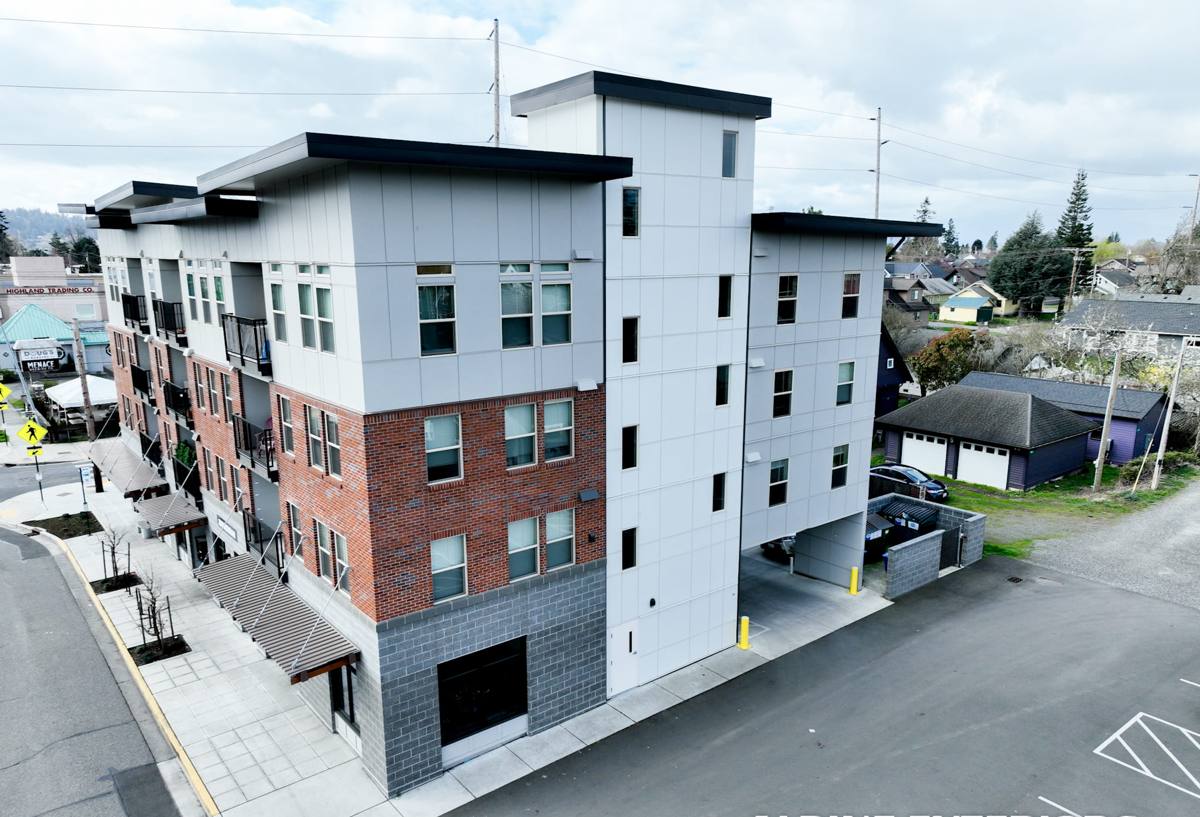
What Snohomish County's Marine Climate Does to Windows Over Time
Salt Air and Hardware
Coastal and near-coastal air carries fine salt particulate that settles on exterior surfaces. Over years, it accelerates corrosion on lower-grade hardware — hinges, locks, cranks, and screws — especially on windows facing open water or prevailing wind. This is a slow process, so it's easy to miss until a lock starts binding or a hinge starts pitting.
Driving Rain and Wind-Driven Wetting
Rain that falls straight down is relatively easy to shed. Rain pushed sideways by wind — common on days with weather moving in off Puget Sound — finds its way into gaps that vertical rain never would. This is why flashing and sealant detail around the window opening matters more here than it does in a calmer, drier climate.
Moss, Algae, and Prolonged Dampness
Western Washington's extended wet season keeps exterior surfaces damp for long stretches at a time. Wood sills, trim, and any organic-based building material stay wet longer here than in most of the country, which is exactly the condition moss, algae, and rot need to take hold. A window opening that doesn't drain and dry properly becomes a long-term moisture problem, not just a cosmetic one.
Signs a Mukilteo Home Needs New Windows
Not every window problem means full replacement, but these are the signals worth taking seriously in this climate:
- Visible gaps, soft spots, or discoloration in the wood trim or sill around the window
- Fogging or a persistent haze between panes of a double-pane unit (a sign the seal has failed)
- Drafts you can feel on a windy day, even with the window latched
- Hardware that's stiff, corroded, or won't lock cleanly anymore
- Paint that keeps failing or bubbling on the interior sill despite repainting
- Water staining on interior drywall or trim below or beside a window
- Visible daylight or a whistling sound around the frame during storms
- Windows that are original to a home built before double-pane glazing was standard
If you're seeing one or two of these, it's worth a look before they compound into something bigger — moisture problems in particular tend to get more expensive the longer they sit.
What a Correct Window Installation Actually Involves
The window unit itself gets most of the attention when people shop for replacement windows, but in a climate like this, the installation detail matters just as much as the product. A quality window installed poorly will leak; a mid-grade window installed correctly will outperform it.
Sill Pan and Drainage
Every window opening needs a way for water that does get past the exterior cladding to drain back out instead of sitting against the framing. A sloped sill pan flashing at the bottom of the rough opening is the detail that makes this possible. Skipping it is one of the more common shortcuts we see in older or lower-cost installations, and it's usually invisible until years later when the wood underneath has already started to fail.
Flashing Sequence
Flashing has to be layered correctly — sill, jambs, then head flashing — so that water always sheds downward and outward, never getting trapped behind a layer above it. This "shingle-style" overlap is basic roofing and siding logic applied to a window opening, and it's the single biggest factor in whether wind-driven rain stays outside the wall.
Sealing and Backer Rod
Exterior sealant isn't just squeezed into the gap between the window frame and the siding. Done right, it goes over a backer rod sized to the gap, which controls sealant depth and lets it flex with temperature and moisture changes instead of cracking. In a climate that swings between wet and dry as often as this one does, sealant that can't flex fails early.
Insulation Without Overpacking
The gap between the window frame and rough opening needs insulation, but overpacking it with rigid foam or too much expanding foam can actually bow the frame and cause the window to bind or seal poorly. Low-expansion foam or fiberglass backer rope, applied correctly, keeps the frame true.
Interior and Exterior Trim Detail
Trim isn't just cosmetic — it's the last line of defense that keeps water from tracking behind the cladding at the window's edge. Proper caulking and paint or sealant on cut ends of trim (especially wood) matters more here than in a dry climate, since any exposed end grain is an invitation for moisture to wick in.
Window Materials: What Holds Up in This Climate
| Material | Salt Air / Moisture Performance | Maintenance | Typical Fit |
|---|---|---|---|
| Vinyl | Good — won't rot or corrode; UV can affect color over many years | Low — occasional cleaning | Most homes; strong value for the climate |
| Fiberglass | Very good — dimensionally stable, resists warping from wet/dry cycling | Low | Higher-end replacements, larger openings |
| Wood-clad | Depends heavily on cladding integrity and installation quality | Higher — cladding seams and sills need attention | Homes prioritizing a wood interior look |
| Aluminum | Weaker in this climate — thermal transfer and corrosion risk near the water | Moderate | Limited use; mainly older or commercial buildings |
We're not going to tell you there's only one right answer — budget and the look you want both matter. But we will steer you honestly: a wood-clad window is only as good as the seams in its cladding and how well the installer protects the end grain, and in a wet climate that's a real ongoing responsibility, not a one-time decision. If low maintenance is the priority, vinyl or fiberglass will serve a Mukilteo home better over the long run than a product that needs consistent upkeep to perform.
Our Installation Process
- On-site assessment — we look at the existing window openings, framing condition, and any visible water damage before recommending anything
- Product selection — matched to your home's exposure (waterfront-facing walls get more attention than sheltered ones), budget, and appearance goals
- Removal — old units come out carefully to protect surrounding siding and trim, and we check the framing underneath for hidden rot before moving forward
- Sill pan and flashing — installed in the correct sequence for drainage, not skipped or shortcut
- Window set and shim — leveled, plumbed, and squared before fastening, since a window that's out of square will bind and seal poorly for its entire life
- Insulation and sealing — backer rod and sealant on the exterior, appropriate insulation in the gap
- Trim and finish — interior and exterior trim reinstalled or replaced, all cut ends sealed
- Walkthrough — we check operation, locks, and seals with you before calling the job done
What Drives Cost
| Factor | Why It Matters |
|---|---|
| Number and size of openings | Larger and more numerous windows mean more material and labor |
| Material choice | Vinyl, fiberglass, and wood-clad carry different upfront costs |
| Framing condition | Hidden rot or damage found during removal adds repair work before the new window goes in |
| Wall exposure | Walls facing open water or prevailing wind may warrant more robust flashing detail |
| Full-frame vs. insert replacement | Full-frame replacement (down to the studs) costs more but is often the right call when existing framing shows moisture damage |
We don't quote sight-unseen. Every home's exposure and existing condition is different enough that a real number only comes from a real look at your windows.
Why a Crew That Already Works Mukilteo Makes a Difference
A lot of window problems in this area trace back to installation crews applying a generic, one-size-fits-all approach that works fine in a milder or drier climate but isn't built for consistent wind-driven rain and a marine moisture load. We work throughout Snohomish County and see the same patterns repeatedly — which openings tend to take the worst weather, which older homes were built without modern flashing details, and where a rushed sealant job tends to fail first. That pattern recognition is the difference between a window that's still tight in fifteen years and one that's leaking again in three.
It also means we're not guessing at material recommendations. We know which products have held up on homes with similar exposure to yours, and we're upfront when a product you're interested in comes with a maintenance commitment worth knowing about before you commit to it.
Get a Straight Answer About Your Windows
If your windows are drafty, fogged, hard to operate, or just old enough that you're wondering whether it's time, we're glad to take a look and give you an honest read — no pressure, no inflated urgency. Fill out the form below for a free estimate, and we'll walk your home's specific exposure and condition with you before recommending anything.