 Everett
 Roofing in Mukilteo Isn't the Same Job as Roofing Inland
Mukilteo sits right on Puget Sound, and that location changes what a roof has to deal with year-round. Homes here get salt-laden air off the water, wind-driven rain that finds its way under poorly lapped materials, and a long, wet moss season that starts earlier and lasts longer than it does even a few miles inland in Everett. A roof installed with inland assumptions — standard underlayment, minimal ventilation detailing, generic flashing work — tends to show its age faster here. A roof installed by a crew that understands Snohomish County's coastal microclimate holds up differently.
This page covers what a correct new roof installation looks like specifically for Mukilteo homes: the materials that make sense near the water, the details that actually determine whether a roof survives driving rain and moss pressure, and what our process looks like from first call to final inspection.
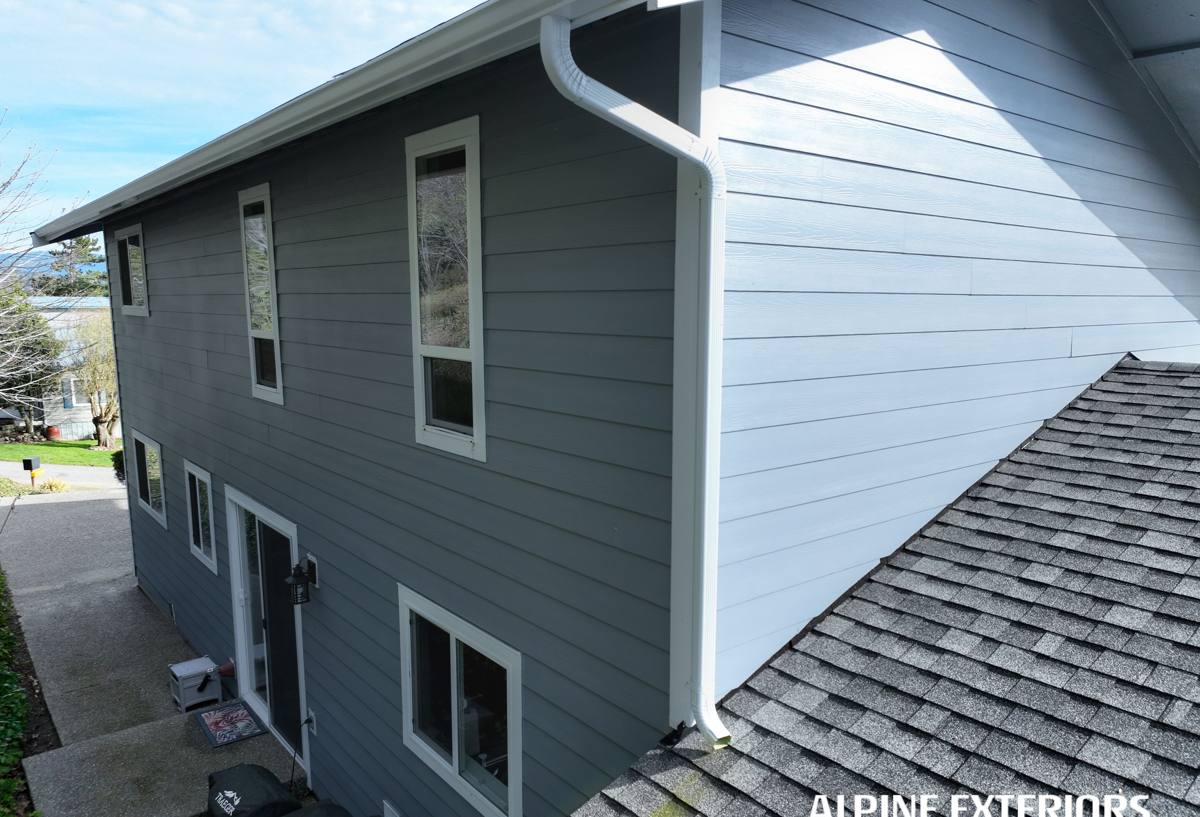
What Mukilteo's Climate Actually Does to a Roof
Salt Air and Corrosion
Proximity to Puget Sound means airborne salt settles on everything, including your roof. Over years, salt exposure accelerates corrosion on unprotected metal — fasteners, flashing, and vent components in particular. This is one of the most overlooked failure points on coastal re-roofs: a roof can look fine from the ground while its fasteners and flashing are quietly corroding underneath. We factor corrosion resistance into every material and fastener choice on a Mukilteo job, not as an upsell, but because using the wrong hardware here means callbacks in five years instead of twenty.
Driving Rain
Wind off the water doesn't just drop rain straight down — it pushes it sideways and up under laps, edges, and penetrations. Standard installation tolerances that work fine in a sheltered inland yard can leak on a bluff-facing Mukilteo roof during a real Sound storm. This is why underlayment selection, lap direction, and flashing detail at every penetration matter more here than they would on a less exposed site.
Moss and Moisture Retention
Western Washington's wet season is long, and Mukilteo's marine humidity extends it further. Moss doesn't just look bad — it holds moisture against the roofing material, works its way under shingle edges, and can lift material enough to let water in. North-facing slopes and shaded sections under trees are the areas we watch closest, both during installation (proper ventilation and drip edge detail) and afterward (maintenance guidance).
What a Correct New Roof Installation Includes
A new roof is more than shingles or panels laid down in rows. The materials you see are maybe a third of what determines whether the roof performs. Here's what we consider non-negotiable on every installation, and why it matters more in a coastal Snohomish County setting:
- Full tear-off and deck inspection. We remove old roofing down to the deck and inspect for rot, soft spots, or delamination before anything new goes on. Covering a compromised deck just hides the problem.
- Ice-and-water shield at vulnerable areas. Eaves, valleys, and penetrations get self-adhering membrane, not just felt, because these are exactly the spots wind-driven rain and ice damming target.
- Synthetic underlayment across the field. A high-quality synthetic underlayment resists moisture better than old-style felt and holds up during the install window when the deck is exposed to weather.
- Corrosion-resistant fasteners and flashing. Given the salt air, we don't cut corners on hardware. This is one of the most common ways coastal re-roofs are done "cheap" and it's the first thing to fail.
- Proper attic and roof ventilation. Balanced intake and exhaust ventilation controls moisture buildup underneath the roof deck, which matters even more in a humid marine climate where trapped moisture doesn't dry out quickly.
- Correctly lapped, storm-rated shingle or panel installation. Nail placement, exposure, and lap direction are all installed to manufacturer spec for wind and rain exposure, not just "close enough."
Material Options for Mukilteo Homes
There's no single "best" roofing material for every home — it depends on your roof's exposure, your home's style, and your budget. What we can tell you honestly is how each option tends to perform in a Puget Sound coastal environment.
| Material | Coastal Performance Notes | Typical Lifespan |
|---|---|---|
| Architectural asphalt shingle | Good balance of cost and durability; look for a product with strong wind ratings given Sound-side gusts | 25–30 years |
| Metal (standing seam) | Excellent shedding of driving rain and moss resistance; requires corrosion-resistant fastening near salt air | 40–50+ years |
| Synthetic/composite shingle | Resists moisture absorption well; good option where moss and humidity are a persistent concern | 30–40 years |
| Cedar shake | Traditional look, but higher maintenance burden in a wet marine climate — moss and moisture retention are ongoing concerns | 20–30 years with upkeep |
We'll walk you through which of these actually fits your roof's slope, exposure to wind and rain off the water, and your maintenance appetite — not just push whatever's easiest to install.
Our Installation Process
1. On-Site Assessment
We walk the roof, check the deck condition where accessible, look at ventilation, and note exposure — is this roof facing the Sound directly, sheltered by trees, shaded on the north side? These details change our material and detailing recommendations.
2. Written Estimate and Material Selection
You get a clear, written scope: materials, underlayment system, flashing approach, and timeline. No vague line items. We'll explain trade-offs between options honestly, including where a cheaper material might cost more in maintenance over time.
3. Tear-Off and Deck Repair
Old roofing comes off, the deck gets inspected, and any rotted or soft sheathing is replaced before new material goes down. We don't install over problems.
4. Underlayment and Flashing
This is where most of the long-term protection actually gets built in — ice-and-water shield at eaves and valleys, synthetic underlayment across the field, and properly formed flashing at every chimney, vent, and wall intersection.
5. Roofing Installation
Material goes down to manufacturer spec, with attention to nail placement, exposure, and lap direction suited to Sound-side wind exposure.
6. Final Walkthrough and Cleanup
We inspect the completed roof with you, confirm ventilation is working as intended, and do a full site cleanup, including magnetic sweep for stray fasteners.
Signs a Mukilteo Roof Needs Replacement, Not Another Repair
- Granule loss showing bare patches on asphalt shingles, especially on Sound-facing slopes
- Persistent moss regrowth even after cleaning, particularly on shaded or north-facing sections
- Soft or spongy decking felt underfoot during inspection
- Rusted or visibly corroded flashing and fasteners
- Daylight visible through the roof deck from the attic
- Repeated leaks around the same penetration or valley despite prior patching
- Roof age approaching or past the manufacturer's expected lifespan for its material
If you're only seeing one or two of these, a repair may still make sense. If you're seeing several at once, especially combined with roof age, a full replacement is usually the more cost-effective path — repeated patch jobs on a failing coastal roof tend to cost more over a few years than one correct installation.
Cost Factors for a Mukilteo Roof Replacement
We won't quote a number without seeing your roof, but these are the factors that actually move the price:
| Factor | Why It Matters |
|---|---|
| Roof size and pitch | More surface area and steeper slopes mean more material and labor time |
| Material choice | Asphalt, metal, and composite options carry different material and installation costs |
| Deck condition | Rot or soft sheathing discovered during tear-off adds repair scope |
| Number of penetrations | Chimneys, skylights, and multiple vents each require careful flashing work |
| Access and site conditions | Steep lots, tree cover, or limited staging space near the water can affect labor time |
| Tear-off layers | Removing multiple layers of old roofing adds disposal and labor cost |
Generally, homeowners in this area should expect a range that spans from a solid mid-tier asphalt install on a modest roof up into the higher end for metal or larger, complex roofs. We'll give you real numbers based on your actual roof, not a rough guess over the phone.
Why a Local Crew Matters for This Job
Roofing crews that work across a wide, generic service area often default to one standard installation approach everywhere. A crew that regularly works Mukilteo and the surrounding Everett and Snohomish County area knows which slopes catch the worst of the Sound wind, which neighborhoods see the heaviest moss pressure, and which flashing details tend to get skipped by installers who aren't accounting for salt air corrosion. That local pattern recognition is the difference between a roof that's built to spec on paper and a roof that's actually built for where it sits.
We also stand behind our work locally — if something needs attention after installation, we're not driving in from out of the area to address it.
Maintenance After Installation
A correctly installed roof still benefits from basic upkeep in this climate:
- Annual moss treatment or removal, especially on shaded or north-facing slopes
- Keeping gutters clear so water isn't backing up under the roof edge
- Trimming back overhanging branches that hold moisture against the roof
- A periodic visual check of flashing around chimneys and vents for early corrosion signs
We're happy to walk you through a simple maintenance schedule specific to your roof's exposure when we complete your installation.
If your Mukilteo roof is showing its age, or you just want an honest read on whether repair or replacement makes more sense, we're glad to take a look. Fill out the form below for a free, no-pressure estimate — we'll assess your roof's actual condition and exposure before recommending anything.