 Everett
 Mukilteo's Roofs Take a Specific Kind of Beating
Mukilteo sits right on Puget Sound, which means roofs here deal with a combination of stresses that inland Snohomish County homes don't see as often. Wind comes off the water with real force during winter storms, driving rain sideways instead of straight down, and salt-laden air slowly works on metal flashing, fasteners, and exposed roofing hardware. Add in a moss season that can stretch across most of the wet months, and you have a roof environment that punishes small defects quickly. A pinhole in a flashing seam or a lifted shingle tab that would sit quietly for years in a drier climate can turn into an active leak here in a single bad storm.
That's the backdrop for why storm damage repair in Mukilteo isn't just "patch what broke." It's assessing a roof that's already under chronic pressure from salt air and moss, then figuring out what the storm event pushed past the point of holding.
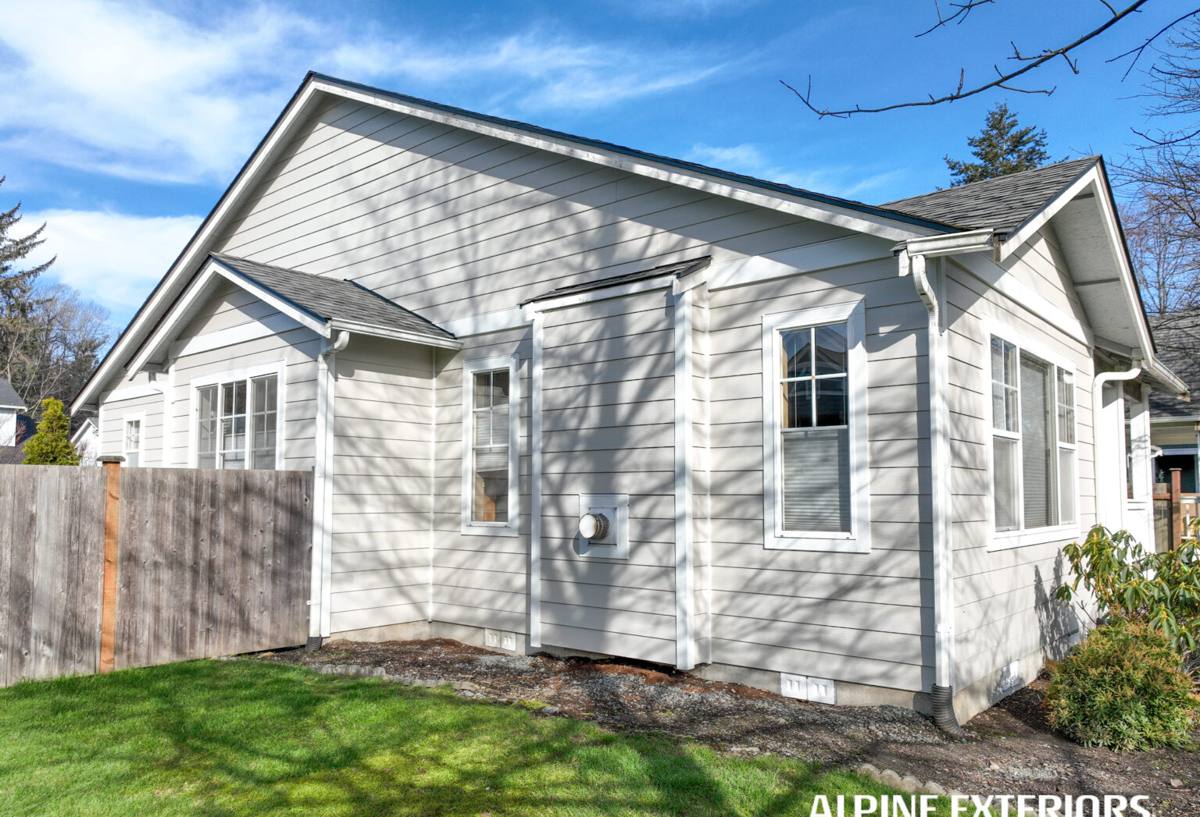
What Actually Counts as Storm Damage
Homeowners often picture storm damage as a missing shingle or a hole punched through the roof deck, and sometimes it is that dramatic. More often, it's quieter and easier to miss from the ground.
Wind Effects
Sustained wind off the Sound can lift shingle tabs without tearing them off completely, breaking the seal strip underneath. The shingle looks fine from the driveway, but it's no longer sealed down, and the next rain drives water underneath it. Wind can also work fasteners loose over multiple storm cycles rather than one event, which is why damage sometimes shows up weeks after the storm that actually caused it.
Wind-Driven Rain Intrusion
Rain that comes in at an angle finds paths that vertical rain never would — under shingle tabs with broken seals, around chimney and skylight flashing, and through valleys where the metal has started to corrode from years of salt exposure. This is usually where storm damage and long-term maintenance issues overlap.
Impact and Debris Damage
Branches, gutter debris, and wind-blown material can bruise or puncture shingles, dent metal flashing, and knock granules loose in a way that shortens the life of the roofing even where it doesn't leak right away.
Flashing Failures
Flashing around chimneys, vents, skylights, and roof-to-wall transitions is usually the first thing to fail in a storm, because it's mechanically fastened and sealed rather than woven into the roofing system the way shingles are. Salt air accelerates corrosion on lower-grade metal flashing, so a flashing detail that's marginal going into storm season can fail outright during it.
What a Correct Storm Repair Actually Involves
A rushed storm repair that only addresses the visible symptom tends to fail again in the next storm. A correct repair works through the whole affected area, not just the spot that's leaking into the house right now.
- Full-slope inspection, not just the leak point. Water travels under roofing before it shows up as a ceiling stain, so the entry point is often several feet from where the damage appears indoors.
- Deck inspection where the covering is removed. If the roof deck underneath has taken on moisture, patching over it without addressing the deck just traps the problem.
- Matching materials and technique to what's already there. A repair that uses the wrong nailing pattern, incompatible flashing metal, or a mismatched shingle profile can look fine and still fail early.
- Flashing detail done properly, not just resealed. Caulk over a flashing gap is a temporary fix. A correct repair re-laps or replaces the flashing so water sheds the way it's supposed to.
- A check of ventilation and moss buildup in the repair area. Both affect how long the repair — and the surrounding roofing — will actually last in this climate.
Our Process, Start to Finish
We keep storm repair straightforward, because homeowners dealing with an active leak don't need extra complexity added on top of it.
1. Inspection and Documentation
We walk the roof, identify the source (not just the symptom), and document the damage with enough detail to support an insurance claim if you're pursuing one. This includes photos of the specific damage and an honest description of cause — storm event versus pre-existing wear — because insurers will ask that question directly.
2. Temporary Protection if Needed
If there's active water intrusion, we get the roof weathertight first — tarping or temporary sealing — before scheduling the permanent repair. This matters most during Mukilteo's wetter months, when a delay of even a few days between storms can add interior damage on top of the roof damage.
3. The Repair Itself
We match materials to what's on the roof where possible, replace rather than reseal failed flashing, and check the surrounding roofing area — not just the damaged section — for related wear that the same storm may have caused.
4. Follow-Up
We tell you plainly what we found, what we fixed, and what to keep an eye on. If the storm damage exposed an underlying issue — old flashing nearing the end of its life, moss buildup holding moisture against the roofing — we'll say so rather than leaving it for the next storm to find.
Repair or Replace: How We Sort That Out
Not every storm-damaged roof needs a full repair job, and not every repair is worth doing instead of planning a replacement. The honest answer depends on a few factors.
| Factor | Favors Repair | Favors Replacement |
|---|---|---|
| Age of existing roofing | Under roughly 12–15 years | Nearing or past expected service life |
| Extent of damage | Isolated to one slope or feature | Spread across multiple slopes |
| Underlying deck condition | Dry, solid decking | Soft spots or rot found during inspection |
| History of prior repairs | First significant repair | Multiple past patches in different spots |
| Typical cost range | Often a few hundred to a couple thousand dollars depending on scope | Often several thousand dollars and up depending on size and material |
We'll give you a straight answer on which side of that table your roof falls on, including cases where a repair is genuinely the right call and a full replacement would be overkill.
Insurance Claims: What We Can and Can't Do
We're not insurance adjusters or attorneys, and we won't pretend to be. What we can do is document damage clearly, distinguish storm-caused damage from ordinary wear as best the evidence supports, and give you a repair scope and estimate you can bring to your carrier. Snohomish County sees enough wind and water events off the Sound that most insurers here are familiar with storm claims, but coverage terms vary by policy — that part is between you and your carrier or agent. Our job is to make sure the roof side of that conversation is backed by an honest, detailed inspection rather than guesswork.
Moss and Salt Air: The Slow Damage Behind the Storm Damage
A lot of what looks like sudden storm failure in Mukilteo is really a storm finishing off something moss and salt air had already weakened. Moss holds moisture against shingles and under flashing edges long after a rain event ends, which softens materials and accelerates granule loss. Salt air corrodes lower-grade fasteners and metal flashing over years, so a flashing seam that was marginal in spring can fail outright in a fall or winter storm. When we repair storm damage, we look at whether moss or corrosion contributed, because fixing the storm damage without addressing that underlying cause just sets up a repeat repair.
Simple Between-Storm Maintenance That Actually Helps
- Keep gutters and valleys clear of moss and debris so wind-driven rain has somewhere to go
- Trim back branches that overhang the roof, reducing both moss growth and impact risk in wind
- Have flashing around chimneys and vents checked periodically, since it's usually the first point of failure
- Address moss growth before it thickens into mats that hold water against the roofing
- After any significant wind event, do a visual check from the ground for obviously lifted or missing shingles
Why a Crew That Already Works Mukilteo Matters
Roofing in a waterfront community isn't identical to roofing a few miles inland. A crew that regularly works Mukilteo and the surrounding Everett area knows which flashing details tend to fail first in this exposure, understands how moss season timing affects when repairs should happen versus when they can wait, and isn't guessing at how salt air behaves on different metals and fasteners over time. That local familiarity shows up in small decisions — which materials to spec for a coastal-exposure repair, how to sequence a repair around the next incoming weather system — that a crew unfamiliar with the area might not think to consider.
It also matters for responsiveness. Storm damage doesn't wait for a convenient scheduling window, and a local crew can typically get eyes on a damaged roof faster than one traveling in from farther away, which matters when you're trying to limit interior water damage.
After a Storm: What to Check Before You Call
You don't need to get on the roof yourself, and we'd rather you didn't — wet, wind-damaged roofing is not a safe place to be walking around. But a quick ground-level check helps us understand what we're dealing with before we arrive.
- Look for shingle pieces or granules in the yard or gutters after a storm
- Check ceilings and upper-floor walls for new staining or soft spots
- Note any sagging or visibly displaced sections of roofline from the ground
- Check attic space if accessible, for daylight, moisture, or musty odor
- Photograph anything unusual before cleanup, in case it's useful for a claim
If your Mukilteo home has taken storm damage, or you're just not sure whether what you're seeing needs attention, we're glad to take a look. Reach out for a free, no-pressure estimate using the form below — we'll give you an honest read on what's actually going on with your roof.