 Everett
 Edmonds Homes Take a Different Kind of Beating
Homes along the Puget Sound side of Snohomish County live with a climate that's harder on exterior siding than most inland neighborhoods realize. Edmonds sits close enough to the water that salt-laden air, wind-driven rain, and a moss season that can stretch six months or more all work against whatever's on the outside of a house. Siding that performs fine forty-five minutes inland can start failing early here if it wasn't chosen and installed with this specific exposure in mind.
This page is about one thing: replacing siding on an Edmonds home the right way, with the right material, installed to handle what this stretch of the county actually throws at a house.
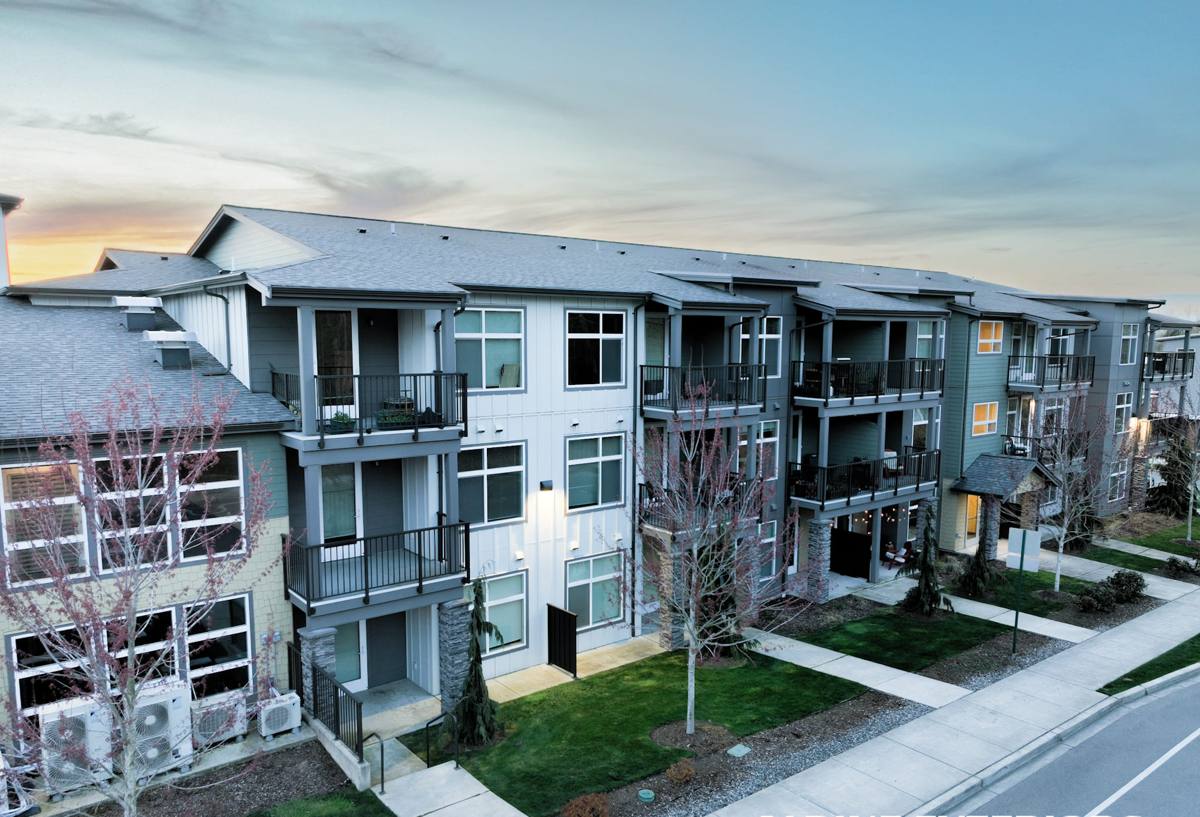
What the Local Climate Does to Siding
Salt Air and Corrosion
Proximity to Puget Sound means airborne salt is a constant, low-grade stressor on anything metal or porous on the exterior of a home. Fasteners, trim, and lower-grade siding materials can pit, corrode, or break down faster near the water than they would even a few miles inland. It's not dramatic — it's cumulative, and it shows up as premature failure five or ten years earlier than a homeowner would expect.
Wind-Driven Rain
Storms coming off the Sound don't just fall straight down — they drive rain sideways into wall assemblies, especially on west- and southwest-facing elevations. That kind of exposure punishes any siding system with weak seams, poor flashing, or a water-resistive barrier that wasn't lapped correctly. Water finds the gaps eventually; the question is whether the assembly behind the siding is built to shed it or trap it.
A Long Moss Season
Shaded, moisture-heavy lots — common in the wooded pockets around Edmonds — stay damp for long stretches of the year. That's exactly the environment moss and mildew need. Siding that holds moisture at the surface, or that has seams and laps where organic growth can get a foothold, will show green streaking and soft spots well before a material that resists moisture at the core.
Signs an Edmonds Home Needs Siding Replaced
Because of the climate factors above, siding problems here often show up differently than they would in a drier part of the state. Worth checking for:
- Soft or spongy spots when you press on the siding, especially near the bottom courses and around windows
- Persistent green or black staining that comes back shortly after cleaning
- Paint that's bubbling, peeling, or chalking faster than the manufacturer's expected repaint interval
- Visible warping, buckling, or gaps at seams and corners
- Rust streaks below fasteners or trim, a common sign of coastal corrosion
- Rising energy bills that suggest the wall assembly is no longer sealing the way it should
- Wood rot or discoloration around window and door casings
Any one of these can be an isolated repair. Several together, or a home over 20 years old with original siding, usually means a full replacement is the more honest recommendation than another round of patches.
Why We Install Only James Hardie Fiber Cement
We standardized on James Hardie fiber cement siding for every home we side, including here in the Edmonds area, and we don't install vinyl, LP SmartSide, cedar, or other fiber cement brands. That's a deliberate call based on how different materials actually hold up in a marine climate over the long run, not a sales position.
| Material | Behavior in salt air / moss climate | Long-term maintenance |
|---|---|---|
| James Hardie fiber cement | Non-combustible, engineered moisture and freeze-thaw resistance, factory-baked ColorPlus finish resists fading and chalking | Low — occasional wash, repaint cycle far longer than wood-based products |
| Vinyl siding | Can warp or crack with temperature swings and impact; seams give moisture a path inward over time | Low upfront, but early failure is common near the water and hard to repair invisibly |
| LP SmartSide (engineered wood) | Wood-strand core is more moisture-sensitive; edges and cut ends need diligent sealing to resist swelling | Moderate to high — depends heavily on installation quality and ongoing sealant maintenance |
| Cedar / primed spruce | Attractive but naturally moisture-absorbent; moss and mildew take hold quickly in shaded, damp conditions | High — regular refinishing, sealing, and moss treatment required |
We're not saying every one of those products is a bad choice for every climate. We're saying that for the conditions homes face near Puget Sound — salt exposure, driving rain, extended damp seasons — fiber cement gives homeowners the best combination of durability, low maintenance, and a finish that actually holds its color. Hardie's HZ product lines are specifically engineered for climate zones like ours, and the ColorPlus factory finish is backed by a strong, transferable warranty that isn't dependent on the homeowner maintaining a paint schedule.
What a Correct Siding Replacement Actually Involves
Replacing siding well is mostly about what happens before the new siding ever goes up. Skipping these steps is how a house ends up with hidden rot behind brand-new siding five years later.
Full Tear-Off and Inspection
We remove the old siding down to the sheathing so we can actually see the wall — not just guess at its condition. This is where hidden water damage, soft sheathing, or old flashing failures get found and fixed before anything new goes on.
Water-Resistive Barrier and Flashing
Given how much wind-driven rain this area sees, the housewrap and flashing details around windows, doors, and penetrations matter as much as the siding itself. Proper lapping (upper courses over lower, always shedding water downward and outward) is what keeps moisture out of the wall cavity even during a hard Sound storm.
Fastening and Clearances
Hardie siding has specific fastening patterns and minimum clearances from grade, roofing, and decks that are engineered into the product's warranty. Getting these wrong doesn't just look sloppy — it voids protection the homeowner is paying for.
Trim, Caulking, and Finish Details
Corners, trim boards, and joints are where a lot of amateur installs fail first. Correctly sealed and finished details are what keep moss and moisture from working their way in at the seams.
Our Process, Start to Finish
- Free on-site assessment — we walk the exterior, check for hidden moisture or rot, and talk through what your home actually needs.
- Written estimate — a clear scope and price, no pressure to sign on the spot.
- Material and color selection — choosing the right Hardie line and ColorPlus finish for your home's exposure and style.
- Tear-off and prep — old siding removed, sheathing inspected and repaired as needed.
- Installation — barrier, flashing, and siding installed to manufacturer spec and local code.
- Final walkthrough — we go over the finished work with you before calling the job done.
What Affects the Cost of a Siding Replacement
| Cost factor | Why it matters |
|---|---|
| Home size and wall complexity | More square footage, corners, and rooflines mean more material and labor |
| Extent of hidden damage | Rotted sheathing found during tear-off adds repair scope before new siding can go on |
| Siding profile and trim detail | Lap width, board-and-batten, and trim complexity all affect material and labor cost |
| Site access | Steep lots, tight side yards, and limited staging space (common on hillside Edmonds properties) can affect labor time |
| Window and door count | Each opening adds flashing and trim work |
We don't quote broad numbers without seeing the house — every one of these factors shifts the estimate, and a fair price only comes from an actual on-site look.
Why a Crew That Already Works in Edmonds Matters
Contractors who work regularly in this part of Snohomish County have already seen how salt air, moss, and driving rain age different siding materials on real houses nearby — not in a showroom. That experience shapes decisions a homeowner never sees: which elevations get extra flashing attention, how much clearance to leave at grade on a damp, shaded lot, and which fastening details hold up best against the wind patterns coming off the Sound. A crew unfamiliar with this specific coastal exposure is more likely to install siding the way it's done in a drier, inland climate — which is often exactly where problems start.
Living With Fiber Cement Siding After Installation
One of the practical advantages of James Hardie siding in a climate like this is how little upkeep it demands compared to wood-based alternatives. A periodic rinse to keep salt residue and pollen from building up, an eye kept on caulked joints over the years, and prompt attention to anything growing in persistently shaded areas is generally all it takes. There's no repainting cycle to manage the way there is with cedar or primed wood products, and the factory finish is engineered to hold its color through the kind of damp, gray stretches Edmonds sees for much of the year.
If your Edmonds home's siding is showing signs of wear, or you're planning ahead before the next wet season sets in, we're happy to take a look and give you a straightforward, no-pressure estimate. Use the form below to get started.