 Everett
 Storm Damage Is a Different Problem Than a Leaky Roof
A roof that's simply worn out fails slowly and predictably. Storm damage doesn't work that way. A single windstorm rolling off Puget Sound can lift a section of shingles, crack a ridge cap, or drive rain sideways under flashing that was fine the day before. In South Everett, where wind off the Sound mixes with the long wet season typical of Snohomish County, that kind of sudden damage is common enough that most homeowners will deal with it at some point. The trick is catching it early and fixing it correctly the first time, because a rushed patch on storm damage almost always costs more in the long run than a proper repair does up front.
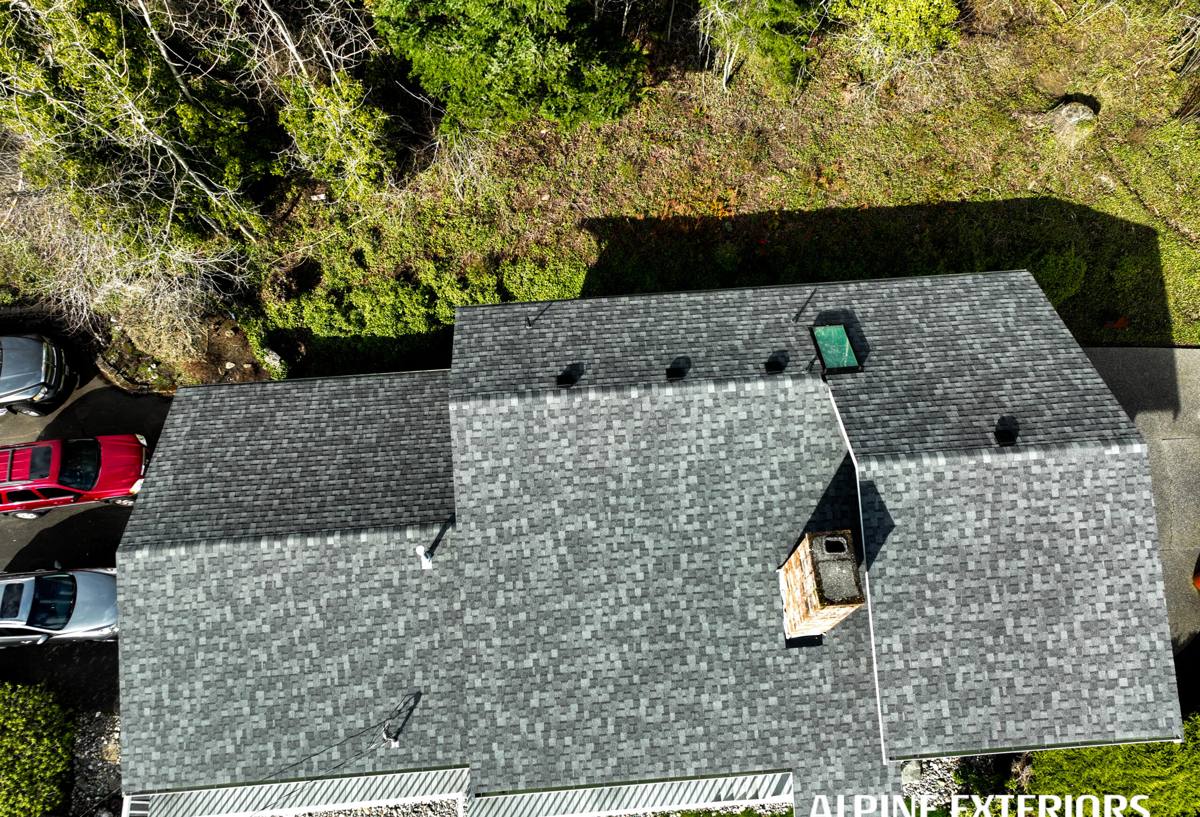
What Storms Actually Do to a South Everett Roof
South Everett sees a mix of older single-family homes and newer construction, many with mature tree cover and shade that keep roofs damp longer after a storm passes. That combination of wind exposure and slow drying is what makes storm damage here worth taking seriously.
Wind and Driving Rain
Everett doesn't get hurricanes, but it gets sustained windstorms with gusts strong enough to work shingle tabs loose, especially on older three-tab roofs or anywhere the original nailing was a little off. Once a few tabs lift, wind-driven rain gets underneath them, and the damage stops being cosmetic and starts being a leak in progress. Driving rain also finds its way into anything that was already marginal — a flashing seam, a pipe boot, a valley — well before the shingles themselves fail.
Moss and Trapped Moisture
Snohomish County's long, wet moss season means moss and moisture are already working against a roof before a storm even shows up. Moss holds water against the shingle surface, and on a roof that's already carrying moss, storm damage tends to be worse: lifted shingles trap even more moisture underneath, and the deck underneath has less of a chance to dry out between storms. A roof that's been neglected on the moss front is simply more vulnerable when the wind picks up.
Salt Air and Metal Fatigue
Being close enough to Puget Sound to get salt-laden air matters more for the metal parts of a roof than for the shingles themselves. Flashing, fasteners, gutter hardware, and vent caps corrode faster in a salt-air environment, and corroded metal is exactly what fails first in a storm — a weakened nail lets a shingle lift, a corroded flashing seam lets water in where it wouldn't have otherwise. It's a slow background effect, but it's part of why roofs in this part of Everett age differently than roofs thirty miles inland.
Signs Your Roof Took Storm Damage
Not all storm damage is obvious from the ground, and some of the most damaging problems are the ones that don't show up as an active leak right away. After any significant wind or rain event, it's worth checking for:
- Shingles that look lifted, curled, or out of alignment compared to the rest of the roof
- Granules collecting in gutters or at downspout outlets — a sign shingles are losing their protective surface
- Visible gaps or bent sections in ridge cap or flashing
- New water stains on interior ceilings or in the attic, even faint ones
- Debris — branches, moss clumps, or roofing material — caught on the roof or in gutters
- Gutters pulling away from the fascia or sagging after heavy rain
- Daylight visible through the roof deck when viewed from inside the attic
- A sudden increase in moss growth in one localized area, which can indicate a spot where water is sitting
None of these by themselves mean a full roof replacement is coming. Most storm damage, caught early, is a repair — not a replacement.
A Patch Job vs. a Correct Repair
After a storm, it's tempting to just get the visible problem covered and move on. The trouble is that a lot of storm damage has a hidden component underneath the shingle line, and a repair that only addresses what's visible from the ground tends to fail again in the next storm.
| Quick Patch | Correct Storm Repair |
|---|---|
| Replaces only the shingles that are visibly missing or torn | Checks the underlayment and deck beneath the damaged area before closing it up |
| Reuses existing flashing even if it's bent or corroded | Replaces flashing that's compromised, especially in valleys and around penetrations |
| Matches new shingles loosely to old ones | Matches shingle type, color, and exposure so the repair blends in and seals correctly |
| Doesn't address moss or debris nearby | Clears moss and debris from the repair area so the fix isn't undermined right away |
| No documentation for insurance purposes | Photos and notes on the damage, useful if a claim is filed later |
The quick patch isn't always wrong — sometimes it's genuinely all that's needed. The point is knowing the difference, and that only comes from actually getting up on the roof and looking, not guessing from a photo taken from the ground.
How We Handle Storm Damage Repair
1. Inspection First, Estimate Second
We start with a full inspection of the roof, not just the spot that's obviously damaged. Storm damage often has a pattern — if wind lifted shingles on one slope, it's worth checking whether the same wind direction affected flashing or vents elsewhere on the same roof. We look at the deck where we can access it, check attic ventilation and any interior signs of moisture, and take note of moss or debris buildup that's contributing to the problem.
2. Honest Scope of Work
We tell you what actually needs to happen: repair, partial re-roof of the affected slope, or in rare cases a full replacement if the roof was already near the end of its life and the storm just accelerated the timeline. We don't pad the scope, and we don't downplay it either — if a patch will genuinely hold, we'll say so.
3. Matching Materials, Correct Flashing
Repairs are done with materials that match your existing roof as closely as possible in type and color, and any flashing in the repair area that's bent, rusted, or undersized gets replaced rather than reused. Given the salt-air exposure common closer to the Sound, we lean toward corrosion-resistant fasteners and flashing on repairs in this area rather than whatever was originally used, if the original material has clearly started to corrode.
4. Clean-Up and Debris Check
Storms bring down branches and knock loose moss and debris that can sit in valleys and gutters long after the wind dies down. We clear that out as part of the job so the repair isn't immediately sitting under a pile of wet debris again.
Insurance Claims: What to Expect
Many storm repairs in this area go through homeowners insurance, and the process goes smoother when the damage is documented clearly and promptly. We can provide photos and a written description of the damage we find, which you can submit with your claim. A few things worth knowing going in:
- Insurance adjusters look for damage patterns consistent with a specific storm event, so having a rough date for when you noticed the damage helps
- Pre-existing wear, such as old moss damage or an aging roof, can affect what's covered versus what's considered maintenance
- Getting a repair estimate before the claim is approved is normal — it doesn't commit you to using any particular contractor
- We're happy to meet an adjuster on-site if that's useful, but we don't handle the claim itself — that's between you and your insurer
What Storm Repair Costs Depend On
Every storm repair is different, but the cost mainly comes down to a handful of factors. We give a firm number after inspection rather than a phone estimate, because the difference between replacing a few shingles and replacing flashing and deck sheathing in a valley is significant.
| Factor | Why It Matters |
|---|---|
| Extent of shingle damage | A few missing tabs is a different job than an entire slope needing new shingles |
| Condition of the deck underneath | Rotted or soaked sheathing has to be replaced before new shingles go down, and you can't know this without opening the area up |
| Flashing and valley condition | Corroded or bent flashing near the Sound's salt air often needs full replacement, not just resealing |
| Roof pitch and access | Steeper roofs and multi-story sections take longer and require more safety setup |
| Age of the existing roof | A roof near the end of its service life may make a broader re-roof more sensible than a targeted repair |
| Moss and debris removal needed | Heavier moss buildup adds cleanup time before repair work can even start |
Why a Crew That Already Works South Everett Matters Here
A roofing crew that works this area regularly already knows what South Everett roofs are up against — the wind patterns off the Sound, how long moss season runs in Snohomish County, and how quickly salt air chews through unprotected metal. That's not a small thing. A crew that mostly works drier, inland climates can miss how much moisture retention plays into a storm repair here, or under-spec the flashing hardware for the corrosion this area sees over time. Local experience also means faster response after a storm — when a section of the neighborhood takes wind damage at the same time, being nearby means we can get to your roof sooner rather than being stuck in traffic from across the county.
Preventing the Next Storm From Doing the Same Damage
Once a storm repair is done, a few habits go a long way toward keeping the next windstorm or rainy stretch from causing a repeat:
- Keep gutters and downspouts clear so water isn't backing up under the roof edge during heavy rain
- Trim back branches that overhang the roof, since falling limbs are a common cause of storm damage here
- Have moss treated before it builds up thick enough to trap moisture under shingles
- After any major windstorm, do a quick visual check from the ground for lifted shingles or displaced flashing
- Address small leaks immediately rather than waiting for the next storm to make them worse
If a recent storm has left your South Everett roof with missing shingles, a new leak, or damage you're not sure how to assess, we're glad to take a look. We offer free, no-pressure estimates — just fill out the form below and we'll get back to you.