 Everett
 Roofing in the Silver Lake Neighborhood Isn't a One-Size-Fits-All Job
Silver Lake sits in a pocket of Everett where mature tree cover, shaded lots, and proximity to the water combine into a specific kind of roof stress. Homes here deal with the same driving rain and salt-tinged air that hits the rest of Snohomish County, but the tree canopy around the lake adds constant leaf and needle litter, extra shade that never lets a roof fully dry out, and a moss season that runs longer than it does on more open, sun-exposed lots elsewhere in the city. A repair that works fine on a wide-open roof across town can fail fast on a shaded Silver Lake roof if the crew doesn't account for that difference.
We work in this neighborhood regularly, which means we're not guessing at how the local climate behaves — we've seen how moss re-establishes itself here, which valleys collect debris fastest, and where flashing tends to fail first on the roof styles common around the lake.
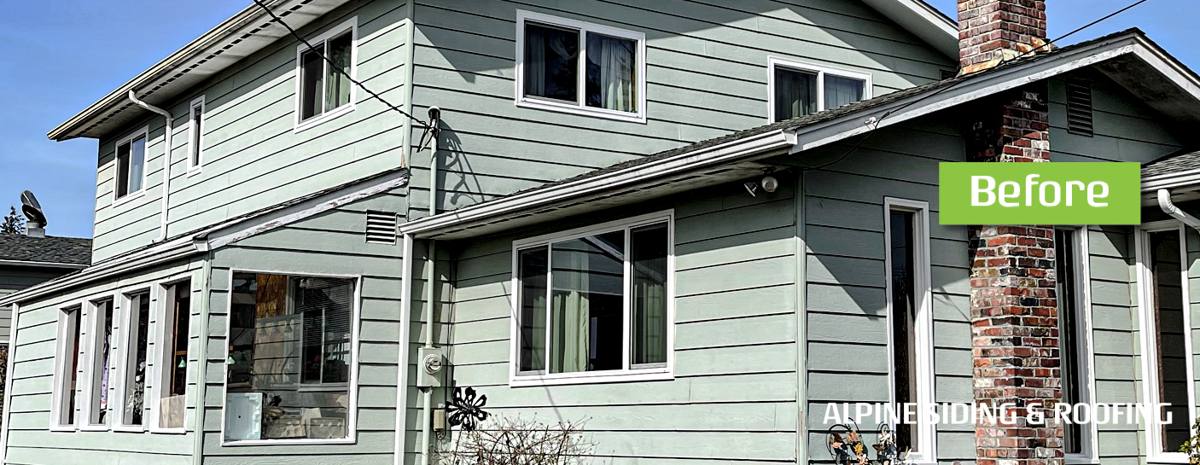
What Silver Lake's Climate Does to a Roof Over Time
Salt Air and Metal Fatigue
Everett's proximity to Puget Sound means airborne salt reaches roofs even a few miles inland, including around Silver Lake. Over years, that salt content accelerates corrosion on exposed metal flashing, fasteners, and gutter hardware. Repairs that reuse corroded fasteners or unsealed metal joints tend to fail again within a season or two.
Driving Rain and Wind-Driven Water
Pacific Northwest storms rarely fall straight down. Wind-driven rain gets pushed sideways under shingle edges, around chimney flashing, and into valleys — which is why so many "mystery leaks" in this area trace back to flashing and edge details rather than the field of the roof itself.
Shade, Moisture, and a Long Moss Season
The tree cover around Silver Lake keeps roof surfaces shaded and damp longer after storms than roofs in more open parts of Everett. That extended dampness is exactly what moss and algae need to establish and spread, and it's a major reason moss-related roof damage shows up earlier and more often on homes in this neighborhood.
Signs a Silver Lake Roof Needs Repair, Not a Full Replacement
Most roofs don't fail all at once — they show localized warning signs first. Catching these early is usually the difference between a repair bill and a replacement bill.
- Interior ceiling stains, especially near chimneys, skylights, or where two roof planes meet
- Visible moss growth in a thick, spongy mat rather than light surface discoloration
- Shingles that are cupping, curling at the edges, or missing granules in patches
- Rusted, lifted, or visibly separated flashing around vents, chimneys, and roof-to-wall transitions
- Sagging or soft spots noticeable when walking the roof or viewed from the ground
- Gutters consistently overflowing with debris even after cleaning, pointing to a valley or drainage issue
If what you're seeing is limited to one or two of these in a specific area, a targeted repair is usually the right call. Widespread granule loss, multiple leak points, or soft decking across large sections is a different conversation — one we'll have honestly with you rather than pushing a repair that won't hold.
What a Correct Roof Repair Actually Involves
Diagnosis Before Anything Gets Touched
A repair that starts with patching the visible symptom instead of finding the actual entry point almost always comes back. We trace leaks from the interior stain or attic evidence back to the actual failure point on the roof — which is sometimes several feet away from where the water shows up inside.
Matching Materials, Not Just Covering the Spot
Mismatched shingle color, profile, or age is a cosmetic issue, but mismatched material weight or type is a performance issue. We match shingle type and, where reasonably possible, color and wear level so the repair blends in and performs consistently with the surrounding roof.
Flashing and Underlayment Get Rebuilt, Not Just Resealed
Caulk over failed flashing is a temporary fix, not a repair. Correct flashing work means removing the compromised metal or membrane, replacing underlayment underneath if it's saturated or degraded, and reinstalling flashing so water sheds over it correctly — not just sealing the surface and hoping it holds through the next storm.
Moss and Organic Growth Get Addressed, Not Just Painted Over
Where moss has caused or contributed to the damage, we remove it properly — including the root structure holding moisture against the shingle — rather than surface-scraping it, which leaves the moisture-holding base in place and lets it regrow within a season.
Roof Types Around Silver Lake and How Repair Needs Differ
The housing stock around Silver Lake includes a mix of ages and roof types, and each one has different repair considerations given the local climate.
| Roof Type | Moss/Shade Risk | Common Repair Needs |
|---|---|---|
| Composition (asphalt) shingle | Moderate to high in shaded areas | Flashing resealing, granule loss patching, moss removal and treatment |
| Cedar shake | High — shakes hold moisture longer | Individual shake replacement, ventilation checks, moss and rot inspection |
| Metal roofing | Low, but salt-air corrosion is a factor | Fastener and seam resealing, corrosion spot treatment |
| Flat or low-slope | High — poor drainage compounds shade issues | Membrane patching, drain and scupper clearing, ponding-water fixes |
None of these roof types are wrong choices for this area, but each one needs a repair approach that respects how it actually fails — which is a different conversation for cedar shake than it is for a low-slope membrane roof.
Our Process, Start to Finish
- Inspection and honest assessment — we walk the roof, check the attic where accessible, and tell you plainly whether you're looking at a repair or something bigger.
- Written scope and estimate — you'll know what's being fixed, why, and what it costs before any work starts.
- Repair work — flashing, decking, shingles, or membrane addressed at the actual source of the problem, not just the visible symptom.
- Moss and debris cleanup — when moss or heavy debris buildup contributed to the issue, we clear it as part of the job so the repair isn't undermined the following season.
- Final walkthrough — we show you what was done and what to watch for going forward.
Living With a Shaded, Lakeside Roof: What Homeowners Can Do Between Visits
A repair holds longer when the roof isn't fighting the same conditions that caused the damage in the first place. A few habits make a real difference for homes in the Silver Lake area specifically:
- Keep overhanging branches trimmed back where safely possible to reduce shade and debris drop onto the roof
- Clear gutters and valleys at least twice a year — more often if your lot has heavy tree cover
- Watch for moss appearing along shaded ridgelines or north-facing slopes, where it tends to start first
- Address small leaks or stains as soon as they appear rather than waiting for the next dry season
- Have flashing checked after any major windstorm, since wind-driven rain is often what exposes a weak point
Why Hiring a Crew That Already Works in Silver Lake Matters
A contractor who only occasionally works this side of Everett has to relearn the neighborhood's quirks on your roof. A crew that already works Silver Lake regularly knows which roof styles are common here, how fast moss typically returns given the shade levels on a given street, and what flashing details tend to fail first on homes of this area's age and construction. That familiarity shows up in faster, more accurate diagnosis and fewer surprises mid-repair — and in scheduling, since a local crew isn't routing a truck across the county just to look at a leak.
It also matters for accountability. A repair crew that plans to keep working in your neighborhood has every reason to do the job right the first time, because a callback isn't a distant inconvenience — it's a short drive.
What Roof Repair Typically Costs, and What Drives the Range
Repair costs vary widely based on the actual scope of damage, so we won't quote a number without seeing the roof. What we can tell you honestly is what tends to move the price up or down.
| Cost Factor | Effect on Price |
|---|---|
| Roof pitch and accessibility | Steeper or harder-to-access roofs take longer and cost more to work safely |
| Extent of decking damage | Rotted or soft decking under the surface adds material and labor beyond the visible area |
| Roof material | Cedar shake and metal repairs generally cost more per square foot than asphalt shingle |
| Number of failure points | One isolated leak costs far less to fix than several separate problem areas |
| Moss or organic growth removal | Adds labor time but prevents the repair from being undermined shortly after |
In general, small, isolated repairs run in the low hundreds of dollars, while repairs involving flashing rebuilds, decking replacement, or multiple problem areas run into the low thousands. Anything beyond that scope usually means it's worth discussing replacement instead of continuing to patch.
Ready for a Straight Answer on Your Roof?
If you're seeing a stain on the ceiling, moss creeping across a shaded slope, or flashing that looks like it's seen better days, we're happy to take a look and tell you plainly what it needs — repair, and nothing more, if that's genuinely what will hold. Reach out for a free, no-pressure estimate using the form below.