 Everett
 What Lynnwood's Climate Actually Does to Siding
Lynnwood sits a few miles inland from Puget Sound, but the marine air still reaches this far — homes here deal with the same wet, mild, moisture-heavy weather pattern as the rest of Snohomish County. That means long stretches of driving rain in fall and winter, humidity that never fully lets up, and a moss and algae season that can run eight months or more on north-facing walls and shaded siding. None of that is dramatic on its own. The problem is what it does over years: siding that can't shed water fast enough, or that traps moisture behind it, starts failing from the inside long before it looks bad from the curb.
We install siding across Snohomish County, and Lynnwood's mix of older single-family neighborhoods and newer infill construction gives us a good cross-section of what holds up here and what doesn't. This page is about one job specifically — siding installation on Lynnwood homes — and what a correct install needs to account for given this climate.
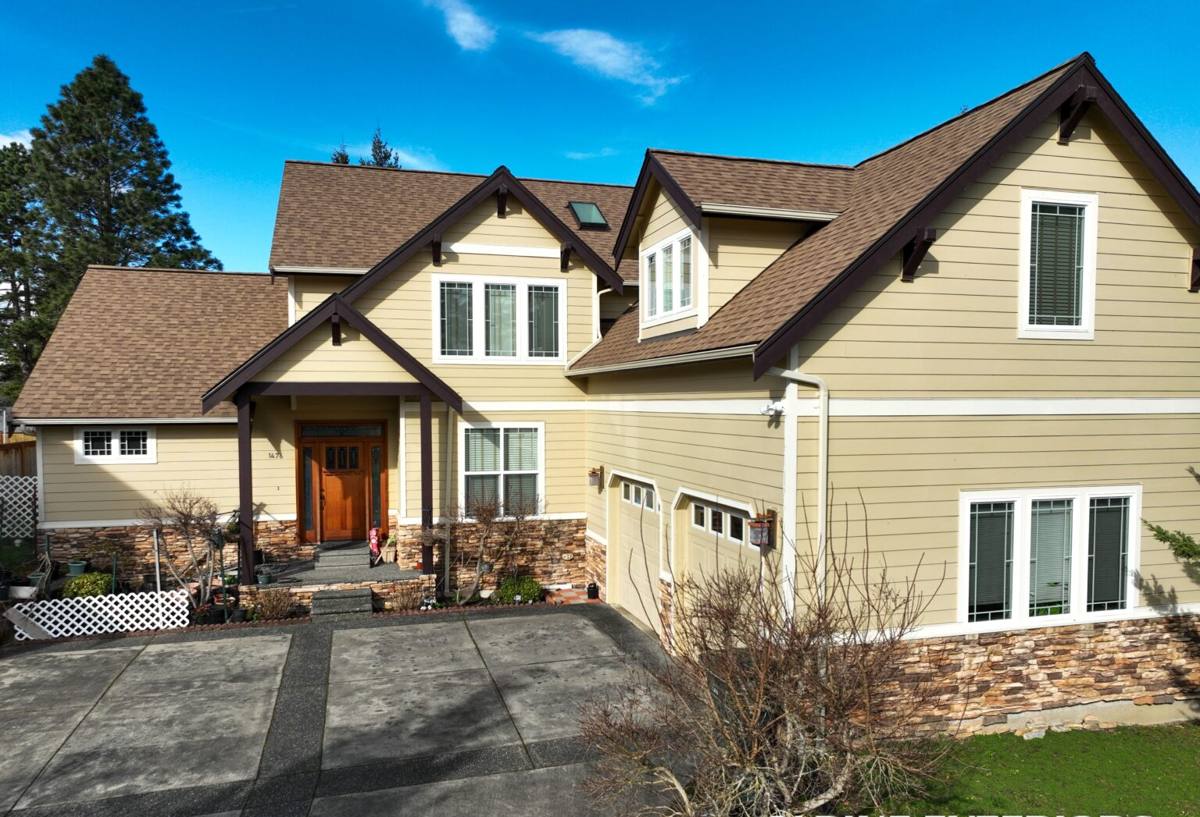
What Lynnwood Homes Need From a Siding System
Any siding system installed here has to manage water first and look good second. That sounds obvious, but a lot of siding failures we see started as an installation shortcut around moisture management, not a defect in the material itself. A siding system suited to this region needs to:
- Shed rain without relying on caulk alone to keep water out
- Resist swelling, warping, or delaminating when it stays damp for days at a time
- Hold paint or factory finish through repeated wet-dry cycles without peeling
- Resist moss and mildew growth, or at least not feed it the way untreated wood-based products can
- Stay dimensionally stable through the region's mild but constant temperature and humidity swings
Why Moss Season Is a Bigger Deal Than It Looks
Moss doesn't just sit on top of siding — it holds moisture against the surface for months at a time, especially on shaded walls and under eaves with less sun exposure. On wood-based siding products, that sustained dampness is exactly the condition that leads to swelling at the edges, softened caulk joints, and eventually rot starting at seams and fastener points. Fiber cement doesn't absorb water the same way wood does, which is a big part of why we standardized on it. It's not moss-proof — nothing that sits outside in this climate is — but it doesn't break down the way organic material does when moss holds water against it season after season.
Why We Only Install James Hardie Fiber Cement
We get asked why we don't offer LP SmartSide, vinyl, or cedar as options. The honest answer is that we standardized on one product because it performs consistently in this exact climate, and because installing multiple systems well means being genuinely expert in none of them. James Hardie fiber cement is non-combustible, which matters more each year as wildfire smoke seasons extend into the Pacific Northwest. It's engineered in an HZ5 formulation built for wetter, harsher climates like ours, meaning the product itself — not just the paint on top — is designed to handle sustained moisture exposure. The ColorPlus factory finish is baked on under controlled conditions, which holds color and resists fading and peeling far better than a coat applied on-site in variable weather. And the warranty is transferable, which matters to homeowners who don't plan to own the house forever.
None of that means other products are junk. Vinyl is inexpensive and low-maintenance in the right application. Cedar has real curb appeal. LP SmartSide has improved a lot over the years. But each comes with a trade-off — moisture sensitivity, repainting cycles, impact durability, or warranty structure — that we don't think is worth carrying on a home in this specific climate. Fiber cement is what we put on Lynnwood homes because it's what we're willing to warranty our labor on.
What a Correct Siding Installation Actually Involves
The siding itself is only part of the system. A correct install is mostly about everything underneath and around it — the parts you don't see once the job is done.
- Weather-resistant barrier: A continuous, properly lapped house wrap goes on before any siding, giving the wall a second line of defense if water gets past the siding surface
- Flashing at every penetration: Windows, doors, hose bibs, vents, and any other wall penetration need flashing detailed to direct water out and down, never behind the barrier
- Correct fastening: James Hardie specifies fastener type, spacing, and placement — over-driven or under-driven nails are one of the most common causes of premature siding failure we see on inspections
- Proper clearances: Siding needs a gap from grade, roof lines, decks, and patios so it isn't sitting in standing water or snow load against the bottom edge
- Correct joints and caulking: Butt joints, corners, and trim need to be caulked and, where cut, field-painted to match the factory finish so raw edges aren't left exposed to moisture
Skip any one of these and the siding can look perfect for a year or two while a problem builds behind it. That's the part homeowners can't easily check themselves, which is why the crew doing the work matters as much as the product going up.
Our Installation Process
- On-site inspection and estimate: We look at the existing siding, sheathing condition, and any trouble spots — moss buildup, soft siding, staining near windows — before quoting the job
- Tear-off and sheathing check: Old siding comes off and we inspect the sheathing underneath for rot or water damage that needs to be addressed before anything new goes on
- Repairs as needed: Any compromised sheathing or framing gets repaired or replaced — this isn't optional, and it's the step that gets skipped by crews trying to hit a low bid
- Weather barrier and flashing: House wrap goes on continuous and properly lapped, with flashing installed at every window, door, and penetration
- Siding installation: James Hardie panels or lap siding go up to manufacturer fastening specs, with correct clearances and starter strips
- Trim, caulking, and touch-up: Joints and cut edges are sealed and painted to match, corners and trim are finished out
- Final walkthrough: We go over the completed job with the homeowner before calling it done, and warranty paperwork gets registered
What Drives Cost on a Lynnwood Siding Job
| Factor | Why It Matters |
|---|---|
| Home size and wall complexity | More square footage and more corners, gables, and trim details mean more labor hours |
| Sheathing condition | Rot or water damage found during tear-off adds repair work before new siding can go on |
| Existing siding type | Some materials come off faster and cleaner than others, affecting tear-off time |
| Trim and detail package | Board-and-batten, shakes, or accent trim add material and labor over a straightforward lap-siding job |
| Access and site conditions | Steep lots, tight setbacks, or limited staging space slow down material handling |
Checklist: What to Expect From a Siding Crew
- A written estimate that details the product line, not just a total price
- A plan for what happens if sheathing damage is found during tear-off
- Continuous, properly lapped weather-resistant barrier — not patched sections
- Flashing detailed at every window, door, and wall penetration
- Fastening done to the manufacturer's specified pattern and spacing
- Proper clearance from grade, roofline, and any attached structures
- A final walkthrough before the job is considered complete
- Warranty documentation, registered in your name
Why a Crew That Already Works Lynnwood Matters
Siding installation isn't identical everywhere in Snohomish County, and a crew that already works this area brings a few real advantages. They know the local permitting process for exterior work and won't hold up your project figuring it out for the first time. They've seen how homes of different ages and construction styles in and around Lynnwood tend to be built, which means fewer surprises when the old siding comes off. And they know how to sequence a job around this region's weather — starting a tear-off with a dry install window planned, rather than leaving sheathing exposed to a stretch of driving rain because the schedule got tight.
That local familiarity doesn't replace doing the job to spec, but it does mean fewer costly surprises and a crew that isn't learning the region's quirks on your house.
Maintenance After Installation
A correctly installed James Hardie system is low-maintenance, not no-maintenance. A yearly rinse-down helps keep moss and mildew from establishing on shaded or north-facing walls — a soft wash rather than an aggressive pressure washer, which can force water past joints and fastener points if used carelessly. It's worth a periodic look at caulked joints and trim for cracking or gaps, and making sure gutters and downspouts are actually directing water away from the wall rather than dumping it along the siding's base. The ColorPlus finish means you're not on a repainting cycle the way you would be with field-applied paint, but the siding still benefits from being checked, not ignored, especially heading into the wetter months.
If you're planning a siding project in Lynnwood, we're happy to take a look at your home and walk you through what we'd recommend and why — no pressure, no obligation. Use the form below to request a free estimate.