 Everett
 Why Window Replacement Looks Different in Forest Park
Forest Park sits close enough to Puget Sound and the Snohomish County tree canopy that its homes take a specific kind of weather beating. Salt-laden air drifts in off the water and works on metal hardware and fasteners over time. Wind-driven rain doesn't just fall straight down here — it gets pushed sideways into wall assemblies and window openings during winter storms. And the tree cover that gives the neighborhood its name also means more shade, more standing moisture, and a longer moss and mildew season than you'd get in a drier, more exposed part of Snohomish County.
None of that is a reason to panic about your windows. It is a reason to be picky about how a replacement window is installed, not just which brand goes in. A window that's flashed and sealed correctly will handle this climate for decades. One that isn't will show problems within a few wet seasons, no matter how good the glass is.
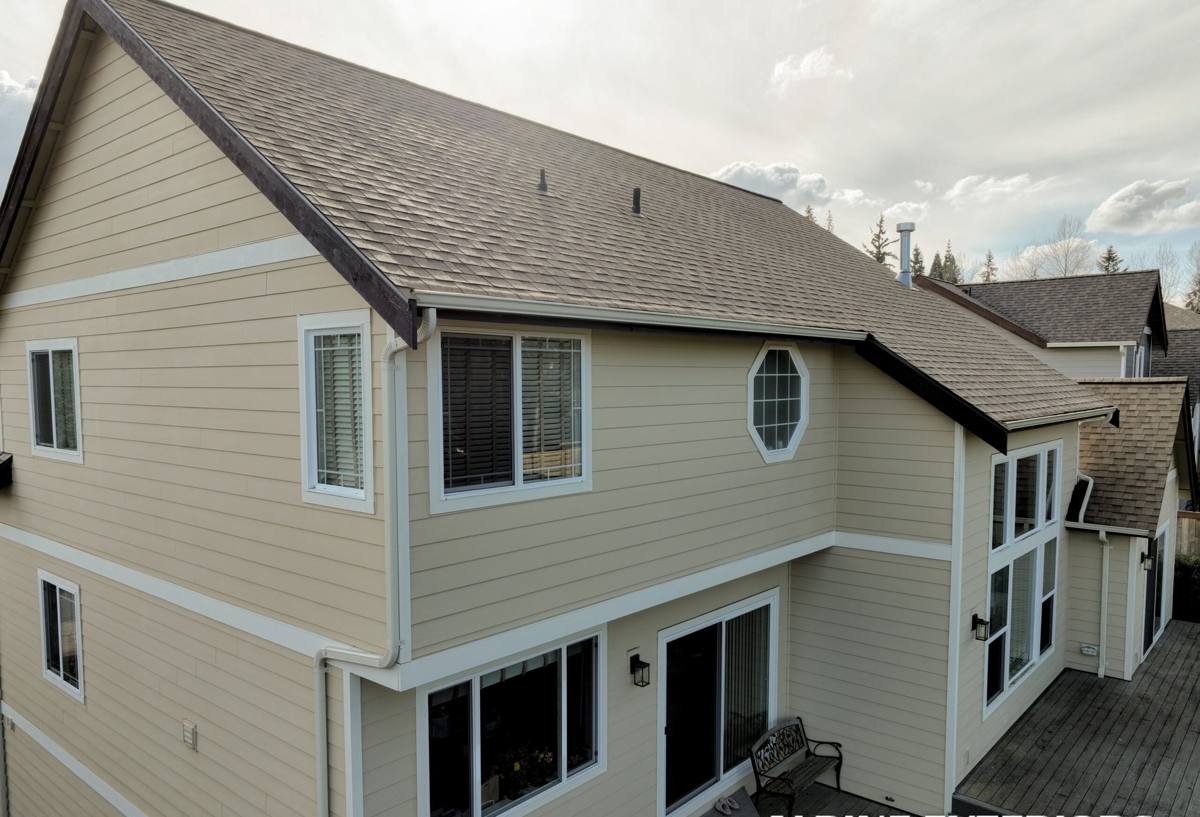
Signs Your Forest Park Home Needs New Windows
Most homeowners don't replace windows because they woke up wanting new ones — they replace them because something started bothering them. In this area, the usual culprits are:
- Fogging or a permanent haze between the panes, meaning the seal on a dual-pane unit has failed
- Wood sashes or sills that feel soft, spongy, or show dark staining at the corners
- Drafts you can feel near the frame on windy days, especially on the side of the house that faces prevailing weather
- Windows that are difficult to open, close, or lock — often a sign the frame has swelled, warped, or settled
- Visible gaps between the window frame and siding, or caulk that's cracked and pulling away
- A noticeable jump in heating costs without any other explanation
Any one of these on its own might just need a repair. Several at once, or a window over 20-25 years old, usually means replacement is the more honest recommendation.
What a Correct Window Replacement Job Actually Involves
The window unit itself is maybe half the job. The other half — the part that determines whether you're back here in five years with a leak — is how it's tied into the wall.
Flashing and Water Management
Every opening needs to be flashed so that any water that gets behind the siding is directed back out, not into the wall cavity. That means a sill pan at the base of the opening, properly lapped flashing tape at the sides and top, and integration with the home's existing weather-resistive barrier. Skipping or rushing this step is the single most common cause of hidden rot behind a "new" window, and it's invisible from the outside — which is exactly why it matters who's doing the work.
Insulation and Air Sealing
The gap between the new window frame and the rough opening needs to be filled with a proper low-expansion foam or backer rod and sealant — not stuffed with fiberglass batting, which does little to stop air movement. Over-filling with high-expansion foam can bow the frame and cause the window to operate poorly, so this step takes some judgment, not just a can of spray foam.
Interior and Exterior Finish
Once the window is set, plumb, level, and square, trim and caulking need to be finished cleanly on both sides. Exterior caulking in particular needs to be a product rated for this climate's temperature swings and constant moisture exposure — cheap caulk fails fast here.
Choosing Materials and Glass for This Climate
There's no single "best" window material — there's a best fit for your house, your budget, and how much upkeep you want to do. Here's how the common options hold up against Snohomish County's wet, mild climate:
| Frame Material | How It Handles Moisture | Maintenance | Typical Fit |
|---|---|---|---|
| Vinyl | Doesn't rot or corrode; performs well in wet climates | Low — occasional cleaning | Most homes, best value |
| Fiberglass | Very stable, resists expansion and contraction from temperature swings | Low | Homes wanting a premium, long-life option |
| Wood | Attractive but vulnerable to rot if finishes aren't maintained | High — regular painting/sealing | Historic or period-style homes where the look matters most |
| Aluminum | Conducts cold and can corrode with prolonged salt-air exposure | Moderate | Rarely our recommendation for this area |
On the glass side, most homes here do well with a dual-pane, low-E coated unit with argon gas fill — it's a solid balance of cost and performance for our winters. Triple-pane glass adds meaningful insulation and sound dampening but comes at a higher price and added window weight, so it's worth discussing whether it fits your specific goals rather than assuming it's automatically the better choice.
Our Window Replacement Process
We keep the process straightforward because homeowners deserve to know what's happening in their house and when.
- On-site assessment: We look at each window opening individually — older Forest Park homes often have openings that are slightly out of square or have hidden moisture damage that only shows up once trim is removed.
- Written estimate: You get a clear breakdown of materials, labor, and timeline before any work starts — no vague allowances.
- Removal and inspection: Old windows come out and we check the rough opening and sheathing underneath for rot or prior water intrusion before anything new goes in.
- Flashing, install, and seal: Each window is flashed, set, insulated, and sealed to current best practice, not just "however the last guy did it."
- Interior and exterior finish work: Trim, caulking, and touch-up paint are completed to match your home.
- Walkthrough: We test every window's operation and locks with you before we consider the job done.
What Affects the Cost
Window replacement pricing varies by house, and anyone who quotes a flat per-window price without seeing your home is guessing. That said, these are the main factors that move the number up or down:
| Factor | Why It Matters |
|---|---|
| Window size and type (single-hung, sliding, casement, bay) | Larger and specialty shapes cost more in materials and labor |
| Frame material | Vinyl is typically the most budget-friendly; fiberglass and wood cost more |
| Condition of the rough opening | Hidden rot or framing repair adds labor beyond a straightforward swap |
| Number of windows done at once | Bundling windows into one project usually lowers the per-window cost |
| Trim and siding work | Matching existing trim profiles or repairing siding around the opening adds cost |
| Access | Second-story or hard-to-reach windows take more time and equipment |
As a general range, homeowners in this area typically see individual window replacement costs from the low thousands to several thousand dollars per window depending on size, material, and complexity — with whole-house projects priced as a package. The only way to get a number you can actually plan around is a walkthrough of your specific windows.
Why Local Experience in Forest Park Matters
A crew that's worked windows in Forest Park and elsewhere in Everett already knows what to expect: the kind of moisture exposure the neighborhood's tree cover creates, how wind-driven rain off the Sound behaves against different sides of a house, and what condition to expect from openings on homes of various ages common to the area. That's not a marketing point — it changes real decisions on site, like how much drying time an opening needs before it gets flashed, or whether a sill shows the early signs of rot that a less experienced installer might miss.
It also means we're not learning Snohomish County's permitting and inspection expectations on your project. We've already done that homework elsewhere in the county, so your job moves without avoidable delays.
Keeping New Windows Performing Long-Term
A correctly installed window still needs a little attention from the homeowner to reach its full lifespan in this climate. A short seasonal routine goes a long way:
- Wipe down tracks and weep holes each fall so leaves and debris don't block drainage
- Check exterior caulking once a year for cracks or gaps, especially after a hard winter
- Keep gutters and downspouts clear so water isn't sheeting down over window openings
- Trim back branches or vegetation that keep a window in constant shade and dampness
- Test locks and operation each season — stiffness can be an early sign of frame movement
- Address any interior condensation on the glass promptly rather than assuming it's normal
If your Forest Park home has windows showing their age, or you just want an honest read on whether repair or replacement makes more sense, we're happy to take a look. Fill out the form below for a free, no-pressure estimate.