 Everett
 Metal Roofing Built for Silver Lake's Climate
Silver Lake sits a few miles inland from Puget Sound, but that distance doesn't buy a home much protection from the same weather that works on the rest of Everett year-round. Marine-influenced air still carries salt in fine enough concentration to speed up corrosion on exposed metal over the years, rain still arrives in long wind-driven stretches rather than brief showers, and shaded or north-facing roof planes still hold onto moisture long enough for moss to take hold and stay through most of the wetter months. A metal roof handles all three of those stresses better than most roofing materials on the market — but only when it's installed by someone who's accounting for them specifically, not treating the job like a generic metal roof going on a generic house.
This page is about what a correct metal roofing install actually looks like for a home around Silver Lake — what the local conditions demand from the material and the installation, how we approach the job from first inspection to final cleanup, and why it matters that the crew doing the work already knows this part of Snohomish County.
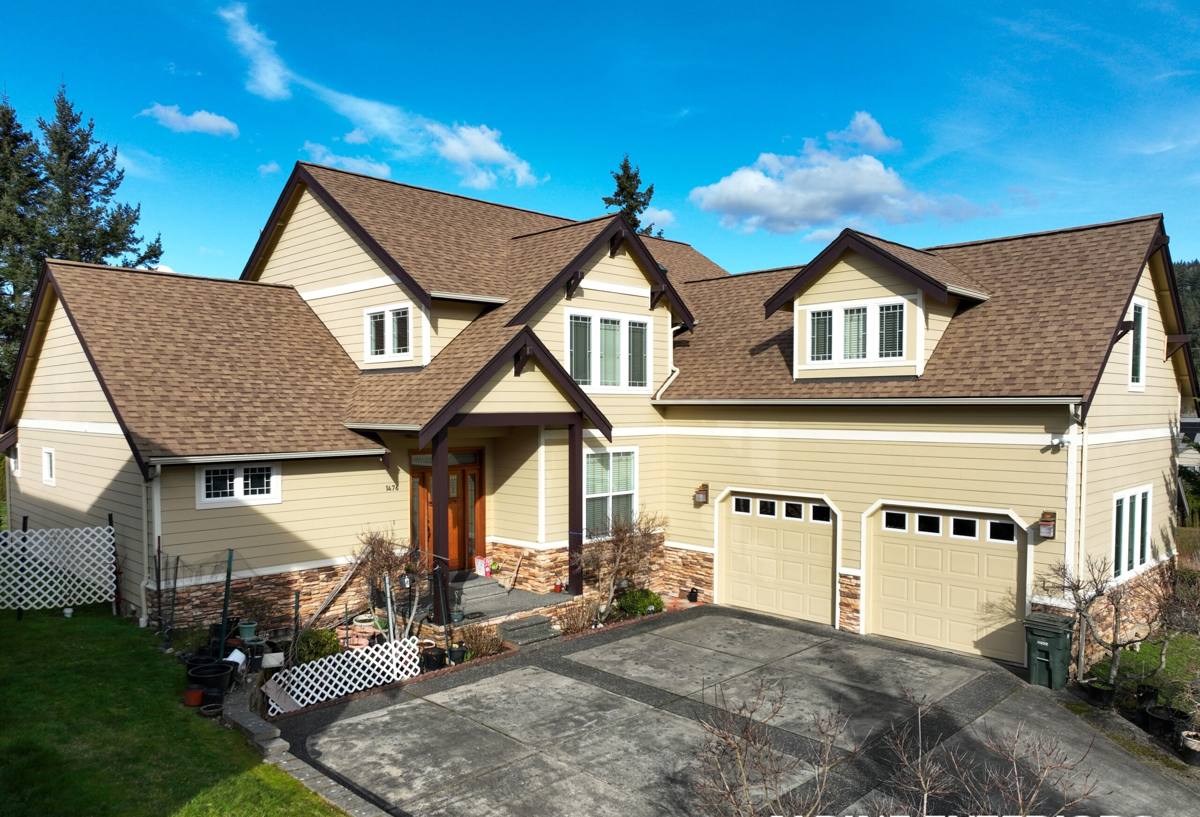
Why Metal Roofing Makes Sense for This Neighborhood
Metal roofing has earned its reputation for a reason. A correctly installed panel roof routinely lasts 40 to 60 years or more, sheds heavy rain far faster than a shingle roof can absorb and release it, and doesn't give moss and algae the rough, granular surface they need to establish themselves the way asphalt shingles do. For a home that sits under tree cover near the lake, or on a roof plane that rarely sees direct sun through the wet season, that resistance to organic growth on the panel field itself is one of the most practical advantages metal offers over other roofing materials.
None of that comes automatically just because the roof is metal, though. The panels themselves are the easy part. What actually determines whether a metal roof performs the way it's supposed to for the next several decades is what happens at the seams, the fasteners, the flashing, and the deck underneath — the details that don't show up in a sales brochure but show up in every hard rain the roof sees afterward.
What Local Conditions Demand
- Corrosion-resistant fasteners and trim: Salt-tinged marine air reaches well past the immediate shoreline, and undersized or lower-grade screws and flashing metal corrode faster here than they would in a drier inland climate, eventually leading to leaks at exactly those points.
- Properly sealed, weathertight seams: When rain is being driven sideways and forced upward by wind rather than simply falling straight down, panel seams and end laps need to be built to shed that kind of water, not just standard vertical runoff.
- Careful valley and flashing work: Metal sheds water efficiently across the open field of a roof, which means valleys, wall transitions, and penetrations carry a higher concentrated volume of water during heavy storms and need flashing detail to match.
- Gutter and downspout capacity sized for the volume: A metal roof moves rain off the structure quickly, and undersized gutters or downspouts that were adequate for a slower-draining shingle roof can end up overwhelmed once the roof above them is metal.
What a Correct Metal Roof Install Involves
A metal roof is a system, not just a set of panels laid side by side. Each layer underneath the visible surface has a specific job, and skipping or shortcutting any one of them is where problems start, usually years down the road rather than right away.
Deck Prep and Underlayment
The roof deck gets inspected for rot, soft spots, and hidden moisture damage before anything new goes down, and any damaged sheathing gets replaced rather than covered over. A high-temperature synthetic or self-adhered underlayment goes down next, giving the roof a genuine secondary water barrier underneath the metal — important given how much water a steep, fast-draining metal roof is moving across that surface during a real Pacific storm.
Panel Type and Fastening
Concealed-fastener standing seam panels interlock along raised seams with no exposed screws penetrating the panel face, which is our preferred system for most Silver Lake homes because there's no fastener head sitting in the weather for decades to eventually work loose or corrode. Exposed-fastener panel systems cost less upfront and remain a reasonable option in the right application, but every screw penetration is a maintenance point that needs its washer and seal checked periodically over the life of the roof. We'll walk through both honestly for your specific roof rather than defaulting to one system regardless of the situation.
Flashing at Valleys, Walls, and Penetrations
This is where the majority of roof leaks actually originate, on metal roofs just as much as on shingle roofs. Valleys, chimney and vent penetrations, and the transitions where a roofline meets a wall need flashing that's properly formed, integrated with the underlayment, and mechanically fastened as part of the system — not caulked as an afterthought once the panels are already up. Kickout flashing at the base of roof-to-wall intersections deserves particular attention, since a missing or undersized kickout is a common, quiet source of long-term wall damage that has nothing to do with the roof panels themselves.
Ventilation and Thermal Movement
Metal panels expand and contract with temperature swings more than shingles do, so fastening systems and trim details need to allow for that movement rather than fighting it. Balanced attic ventilation keeps the underside of the deck dry and reduces condensation risk, which matters on any roof but especially one that's expected to perform for four to six decades without needing to come off and go back on.
Comparing Metal Roofing Panel Types
| Panel System | Typical Lifespan | Fit for Silver Lake Conditions |
|---|---|---|
| Standing Seam (Concealed Fastener) | 40-60+ years | Our preferred system for most homes here — no exposed fasteners for wind-driven rain or corrosion to work on over time |
| Exposed-Fastener Panel | 30-45 years | Lower upfront cost; performs well when installed correctly, but exposed screws need periodic inspection and occasional resealing |
| Stone-Coated Steel Shingle | 40-50 years | Mimics a shingle or shake profile with metal's durability underneath; a good fit where a homeowner wants a traditional look |
For the majority of homes we work on around Silver Lake, standing seam is the system we recommend first, largely because of how it performs over decades of driving rain rather than any single feature. That said, roof pitch, budget, and the look a homeowner wants for the house all factor into which system actually makes the most sense for a given project.
Cost Factors Worth Understanding
Metal roofing bids can vary widely, and the spread is almost always about real differences in scope and material grade rather than one contractor simply charging more for the same job. Knowing what drives the number makes it much easier to compare estimates that look nothing alike on paper.
| Factor | What It Affects |
|---|---|
| Panel system (standing seam vs. exposed fastener) | Upfront cost, long-term maintenance needs, and how the roof handles decades of wind-driven rain |
| Steel gauge or aluminum thickness | Dent resistance and overall structural durability of the panel |
| Finish and coating quality | How well the roof resists fading, chalking, and coastal-air corrosion over its lifespan |
| Tear-off vs. install over existing roofing | Whether hidden deck damage gets found and addressed before new panels go on |
| Flashing and trim scope | How thoroughly valleys, walls, and penetrations are detailed against leaks |
| Roof pitch, complexity, and access | Labor time, staging requirements, and safety considerations on the job |
A written estimate that breaks these items out individually tells you far more than a single bottom-line number. It's worth asking any contractor bidding a metal roof to explain exactly what panel system, gauge, and finish they're quoting before comparing that price against anyone else's.
How Our Process Works
A metal roof is a long-term investment in the house, and we run the process so you know exactly what's happening at each stage rather than finding out after the fact.
- In-person inspection: We walk the roof and attic ourselves and document the actual condition of the deck, flashing, and ventilation before writing anything up.
- Written estimate: You get an itemized bid covering panel system, gauge and finish, underlayment, flashing scope, and cleanup — not a single vague line item.
- Scheduling around weather: We build reasonable flexibility into the timeline, since working around a wet stretch is a normal part of roofing in this part of Snohomish County.
- Tear-off and deck repair: Existing roofing comes off, and any deck damage we find gets repaired before the new system goes down.
- Underlayment, flashing, and panel installation: Each layer goes on to manufacturer specification, with particular attention at valleys, penetrations, and wall transitions.
- Final walkthrough and cleanup: We review the finished roof with you and do a full site sweep before we call the job done.
Why Hiring a Crew That Already Works Silver Lake Matters
A crew that regularly roofs homes in and around Silver Lake and greater Everett has already seen how marine air corrodes underspecified fasteners over time, how wind-driven rain finds the gaps in a poorly lapped flashing detail, and which roof orientations hold onto moss and moisture the longest through the region's wetter months. That's practical experience that shows up in dozens of small decisions on every job — decisions a crew that doesn't regularly work this specific stretch of the county might not think to make.
It also matters once the job is finished. A workmanship warranty is only worth as much as the company standing behind it years later, and a contractor with an ongoing, established presence in the area is one you can actually reach if a question comes up down the road.
A Practical Checklist Before You Choose a Metal Roofing Contractor
- Do they specify panel system, gauge, and finish in writing, not just "metal roof"?
- Is flashing work at valleys, walls, and penetrations explicitly itemized in the bid?
- Do they carry current WA contractor licensing, liability insurance, and workers' compensation?
- Can they explain the trade-offs between standing seam and exposed-fastener systems for your specific roof?
- Can they point to recent, real metal roofing work in or near Everett?
- Does the estimate clearly separate the manufacturer's material warranty from the contractor's own workmanship warranty?
Signs Your Silver Lake Roof May Need Attention
Metal roofs give warning signs before a real problem develops, and catching them early is usually the difference between a straightforward repair and a much larger job.
- Rust streaking or discoloration around fastener heads on an exposed-fastener panel roof
- Panels that feel loose, or a rattling sound during wind and rain, which can point to fasteners working loose over time
- Visible gaps or separation at seams, valleys, or flashing transitions
- Water staining on interior ceilings or in the attic, particularly near valleys or wall intersections
- Moss or debris buildup collecting in valleys or against flashing, even though the open panel field stays clear
If any of that sounds familiar, it's worth having the roof looked at before the next stretch of heavy weather rather than waiting for a leak to force the decision.
If you'd like an honest, no-pressure look at your Silver Lake roof and a written estimate you can compare against anything else you've received, we're glad to come take a look. Use the form below to request a free estimate.