 Everett
 Deck Replacement Built for Silver Lake's Climate
Silver Lake sits in south Everett, close enough to the water that homes here deal with the same weather pattern as the rest of Snohomish County: long stretches of driving rain from fall through spring, humid air off Puget Sound, and shade from mature trees that keeps decks damp long after a storm passes. That combination is hard on wood and hardware in ways that dry-climate decks never experience. A deck that would last decades in eastern Washington can start failing structurally here in half that time if it wasn't built with this environment in mind.
We don't treat Silver Lake as a stop on a route between other jobs. It's a neighborhood we return to season after season, which means we've seen how decks age here specifically — where moss takes hold first, which ledger connections fail, and which materials actually hold up under years of Everett rain rather than just looking good on installation day.
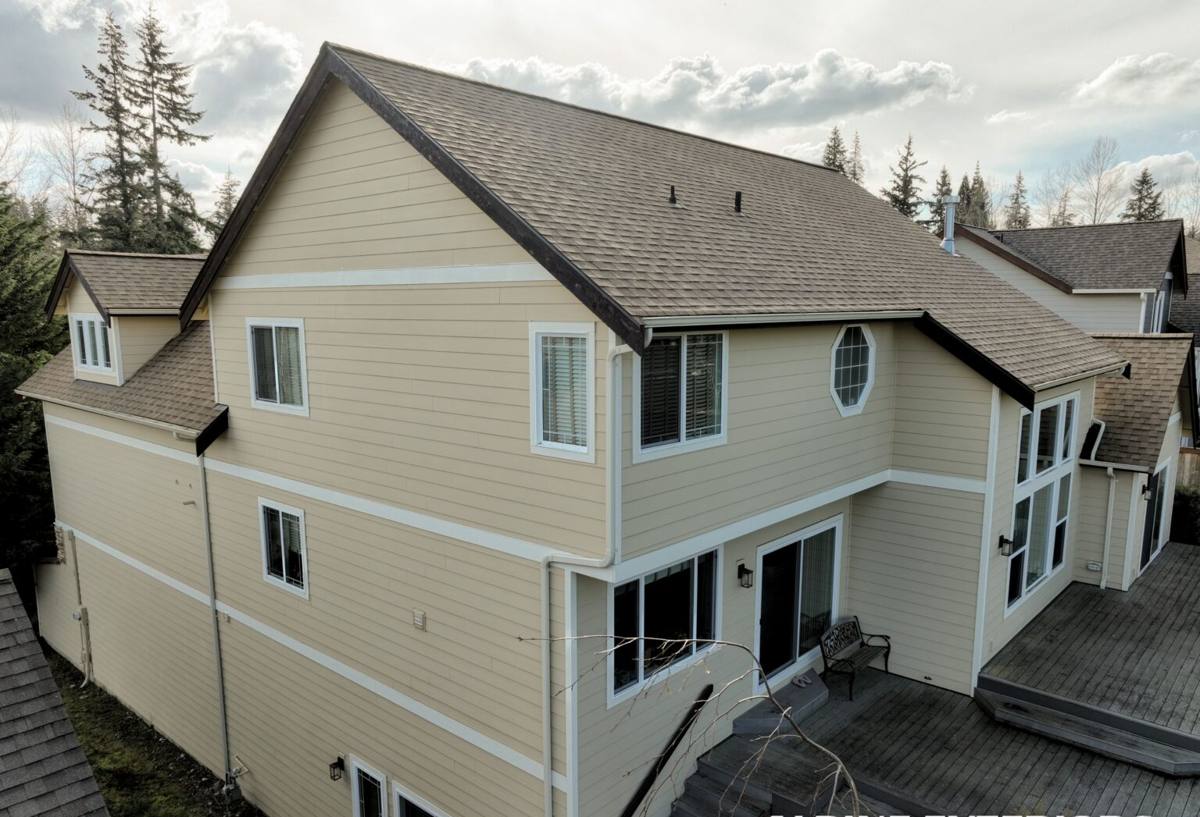
How to Tell a Deck Needs Replacing, Not Patching
Homeowners often call us for a repair and end up needing a full replacement once we get underneath the surface. A few boards that feel spongy is usually the visible tip of a larger moisture problem. Here's what tells us a deck has crossed the line from repairable to due for replacement:
- Soft or spongy decking in more than a couple of isolated spots
- Visible rot, dark staining, or fungal growth at the ledger board where the deck meets the house
- Posts that have shifted, footings that have heaved or settled unevenly, or noticeable bounce when you walk across the frame
- Rusted, popped, or corroded fasteners and connectors, especially near the ground or under planters
- Persistent moss or algae that returns within weeks of cleaning, which usually signals the wood underneath is staying wet longer than it should
- A structure built before current code required proper ledger flashing and lateral load connectors
If the framing and footings are sound and only the decking surface has failed, a resurfacing may make sense. But if rot has reached the structural members — joists, beams, or the ledger connection — patching individual boards just delays a bigger repair while masking the real problem.
What a Correct Deck Replacement Actually Involves
Starting With What's Underneath
The part of a deck that fails first in this climate is rarely the decking boards — it's the framing and connections you don't see. A proper replacement starts by removing the old structure down to the posts and footings, inspecting what's actually load-bearing, and deciding what can be reused safely versus what has to go. In our experience, reused footings need real inspection, not a visual glance, since ground movement and moisture intrusion around a footing aren't always obvious from above.
The Ledger Connection
The ledger board — where the deck attaches to the house — is the single most common failure point we find on older Everett decks, and it's also the most dangerous one to get wrong, since it's what keeps the deck from pulling away from the structure. A correct replacement uses proper flashing to keep water from tracking behind the ledger and into the house's rim joist, along with structural screws or through-bolts rated for the load, not just nails.
Framing and Fasteners
We frame with lumber sized correctly for the span and use hardware rated for exterior, high-moisture use — hot-dip galvanized or stainless connectors, not generic zinc-coated hardware that starts rusting within a couple of wet seasons. Joist tape over the top of framing members is a small add that meaningfully slows water intrusion into end grain, which is where rot typically starts.
Drainage and Airflow
A deck that can't shed water or breathe underneath will hold moisture no matter what decking material sits on top. We grade and space framing to allow airflow, and where a deck sits low to the ground or over hardscape, we look at whether the original design left enough clearance — Silver Lake's tree cover and shade already slow drying time, so the structure needs to work with that, not against it.
Choosing the Right Decking Material
There isn't one right decking material for every home — it depends on budget, how much maintenance you're willing to do, and how much direct sun versus shade the deck gets. Here's how the common options compare for a wet, shaded, moss-prone environment like Silver Lake:
| Material | Upfront Cost | Maintenance | How It Handles This Climate |
|---|---|---|---|
| Pressure-treated lumber | Lowest | Annual cleaning, periodic staining/sealing | Durable if maintained consistently; neglect leads to graying, splintering, and moss buildup faster than other options |
| Cedar | Mid-range | Regular sealing to hold color and resist moisture | Naturally moisture-resistant and attractive, but needs upkeep to avoid graying and moss in shaded, damp spots |
| Composite decking | Higher | Occasional washing, no staining or sealing | Strong resistance to rot and moisture absorption; still needs cleaning since algae and moss can grow on any surface exposed to shade and damp |
Whatever material a homeowner chooses, we're upfront about the trade-offs rather than pushing one product. Composite costs more up front but removes the annual staining cycle. Wood costs less initially but only performs well long-term if someone actually keeps up with maintenance. Neither is "wrong" — it's a decision about ongoing effort versus upfront spend.
Our Deck Replacement Process
- On-site assessment — we inspect the existing deck, footings, and ledger connection to confirm whether replacement is warranted and identify any hidden moisture damage.
- Design and material selection — we walk through decking material, railing style, and layout options based on your budget and how you use the space.
- Permitting — we handle the permit application and coordinate required inspections through the appropriate local jurisdiction.
- Demolition and disposal — full removal of the old structure, including proper disposal of treated lumber.
- Framing and structural work — footings, posts, beams, joists, and ledger flashing installed to current code.
- Decking, railing, and finish work — surface material installed, railings set, and all fasteners and hardware finished out.
- Final walkthrough — we go over the finished deck with you and cover basic maintenance for whatever material you chose.
Permits and Local Code
Deck replacements in Everett and unincorporated Snohomish County generally require a permit once the structure exceeds a certain size or height above grade, and permitting also applies when you're replacing framing rather than just resurfacing. Code has changed over the years around ledger attachment methods and guardrail requirements, so a deck built decades ago may not meet current standards even if it looks sound. We handle the permit process as part of the job so homeowners aren't left navigating that alone, and so the finished deck passes inspection without surprises.
Why a Crew That Already Works Silver Lake Matters
A deck built without accounting for Everett's rain pattern, tree shade, and long moss season is a deck that will need attention again sooner than it should. Working this neighborhood regularly means we already know which details matter most here — ledger flashing that actually keeps water out, hardware that won't rust out in a few winters, and framing that drains and dries instead of holding moisture against the shade of mature trees. That's not something you get from a crew doing one job in the area and moving on. It shows up in fewer callbacks and a deck that still performs the way it should years after installation.
Keeping a New Deck Performing Long-Term
Whatever material you choose, a little seasonal attention goes a long way in this climate. A basic maintenance routine we recommend to Silver Lake homeowners:
- Sweep off leaves and debris regularly, especially in fall — trapped organic matter holds moisture and feeds moss
- Rinse or gently wash the surface a couple of times a year to slow algae and moss buildup
- Check railings and stair connections annually for looseness
- For wood decks, reseal or restain on the manufacturer's recommended schedule, not just when it looks faded
- Keep planters and furniture feet off direct wood contact where possible, or move them periodically, since trapped moisture underneath accelerates rot and staining
- Have the substructure checked every few years, particularly the ledger connection, since that's the area most prone to hidden moisture damage
If you're weighing a repair against a full replacement, or you just want an honest read on what your current deck actually needs, we're glad to take a look. Fill out the form below for a free, no-pressure estimate on your Silver Lake deck replacement.