 Everett
 Why Windows Take a Beating in Eastmont
Homes in Eastmont sit inside the same marine climate that shapes all of Snohomish County: mild temperatures, but a lot of moisture moving through the air almost year-round. That combination is deceptively hard on windows. It's not one big storm that causes damage here — it's the slow, repeated cycle of driving rain soaking into frames, salt-laden air off Puget Sound accelerating corrosion on hardware and seals, and a moss season that can stretch from fall through spring, keeping north- and shade-facing walls damp long after the rain stops.
Older or poorly installed windows in this environment don't fail dramatically. They fail slowly — a soft spot in a sill, a seal that's lost its grip, a frame that's started to swell or pit. By the time you notice drafts or fogging between panes, the underlying moisture problem has usually been building for a while. Energy-efficient windows done right address both sides of that: they cut heat loss and they're built and installed to actually shed water instead of holding onto it.
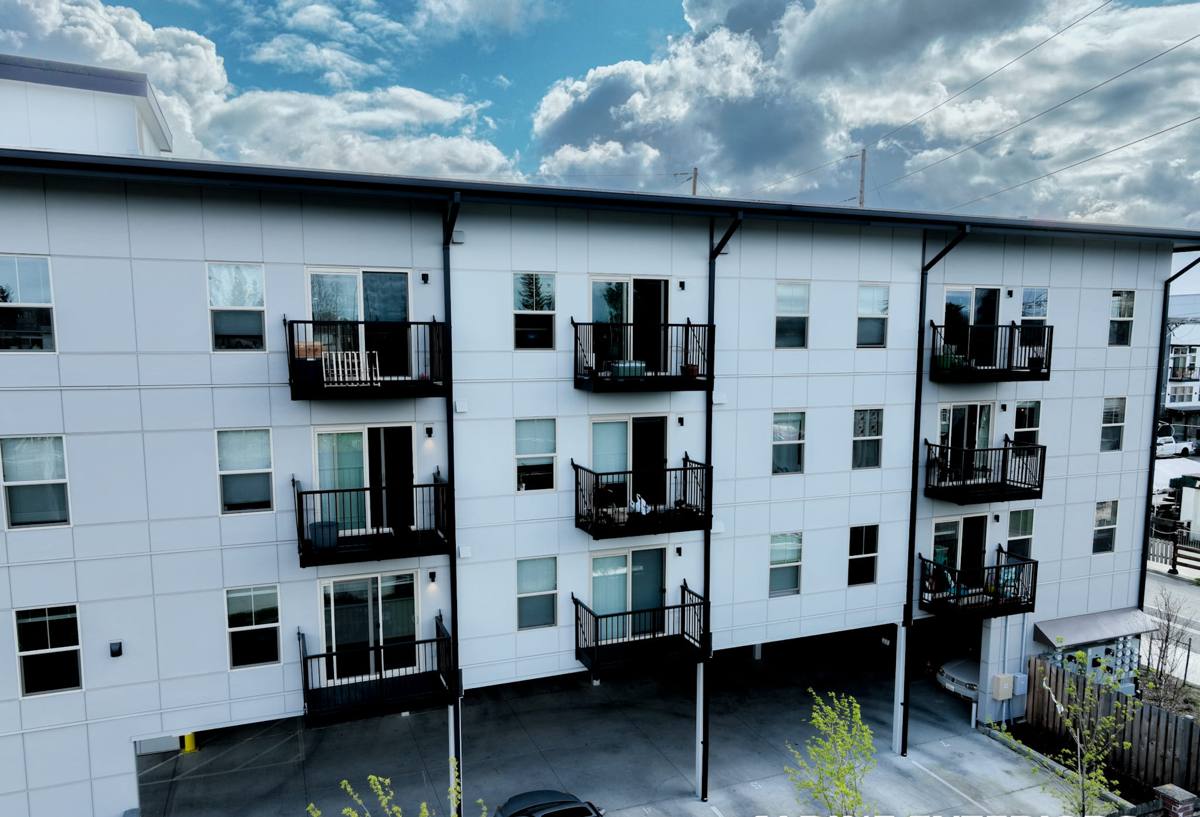
What "Energy-Efficient" Actually Means for This Climate
Window efficiency ratings are often marketed with numbers that matter more in hot, sunny climates than they do here. In Eastmont, a few specific ratings deserve more attention than others.
U-Factor: The Number That Matters Most Here
U-factor measures how much heat a window lets escape. Lower is better. Because our heating season is long and our summers are mild, U-factor has a bigger impact on your energy bills here than it would in a climate that runs air conditioning half the year. A window with a strong U-factor keeps the heat you're paying for inside the house through our long, gray winters.
SHGC: Less Critical, Still Worth Knowing
Solar Heat Gain Coefficient measures how much solar heat comes through the glass. In hotter regions, contractors push for very low SHGC to block sun. In Eastmont, we get comparatively little direct, strong sun, so a moderate SHGC can actually help offset heating costs on the sunny side of a house without causing meaningful overheating in summer.
Condensation Resistance: The One Locals Underrate
This rating gets ignored in a lot of generic window guides, but it shouldn't be here. High humidity plus temperature swings between indoor and outdoor air is a recipe for condensation on glass and, worse, inside the frame cavity where you can't see it. Windows with poor condensation resistance in a damp climate like ours can quietly feed mold and wood rot around the frame for years before it shows up as a visible problem.
What to Look For
- Multi-pane glass with a low U-factor rated for Pacific Northwest conditions, not just a national average sticker
- Warm-edge spacer technology, which resists condensation better than older aluminum spacers
- Corrosion-resistant hardware — cheap fasteners and hinges degrade faster with salt-influenced air
- A documented condensation resistance rating, not just a U-factor number
- Frame materials that are dimensionally stable when they get wet and dry repeatedly
Signs Your Current Windows Are Working Against You
Most homeowners call about drafts. Draftiness is real, but it's usually not the first sign of trouble — it's a later one. Here's what we look for, and what you can check yourself before you call anyone.
- Fogging or a permanent haze between panes of double-pane glass — this means the seal has failed and the insulating gas has escaped
- Paint or finish that's bubbling, peeling, or discolored on the interior sill or frame
- A window that's noticeably harder to open, close, or lock than it used to be
- Visible moss, algae, or dark staining building up on or around the exterior frame
- Soft or spongy wood when you press a fingertip into the sill or lower frame corners
- Cold air you can feel near the frame even with the window fully latched
- A noticeable jump in heating costs without any other explanation
- Condensation forming on the inside of the glass regularly, especially in bathrooms and kitchens
Any one of these on its own might not mean much. Two or three together, especially on the same window, usually means it's time for a real assessment rather than a caulk-and-hope patch job.
What a Correct Installation Actually Involves
The window unit itself is only part of the equation. In a climate that throws driving rain at exterior walls, how the window is installed matters as much as what window you choose — sometimes more.
Flashing and Moisture Management
Water that gets behind a window opening needs somewhere to go. Correct installation means proper flashing tape and drainage detailing around the rough opening so any water that does get past the exterior finish is directed back out, not trapped against wood framing. This is the single most common shortcut we see in bad prior installations — and it's invisible until the damage shows up years later.
Sealing Without Sealing In Moisture
It sounds counterintuitive, but a window shouldn't be sealed completely airtight on every side. The right approach uses sealant and backer rod strategically, paired with weep holes and drainage paths, so the assembly can shed incidental moisture instead of holding it against the frame.
Fit and Shimming
A window that's out of square or improperly shimmed will stress the frame, strain the seals prematurely, and create gaps that let both air and water in. Precise measurement and careful shimming during install directly affect how long the efficiency rating you paid for actually holds up.
Comparing Frame and Glass Options for This Climate
There's no single "best" window material — the right choice depends on your home's exposure, budget, and how much upkeep you want to take on. Here's how the common options actually perform in a wet, salt-influenced coastal climate like Eastmont's.
| Frame Material | Moisture Behavior | Maintenance | Typical Lifespan Here |
|---|---|---|---|
| Vinyl | Won't rot; can become brittle with age and UV exposure over decades | Low — occasional cleaning | 20-30 years |
| Fiberglass | Very stable; expands and contracts close to glass, reducing seal stress | Low | 30-40+ years |
| Wood-clad | Good if the exterior cladding stays intact; vulnerable where cladding is damaged or improperly sealed | Higher — periodic inspection of cladding seams | Varies widely with maintenance |
| Aluminum | Conducts cold and can promote interior condensation unless thermally broken | Low, but corrosion risk in salt air without a quality finish | 20-30 years, finish-dependent |
For most Eastmont homes, we steer clients toward vinyl or fiberglass for the balance of durability and low upkeep, given how much moisture these frames sit in through the fall and winter. Wood-clad can look great and perform well, but it puts more of the long-term outcome in the hands of ongoing maintenance — that's a real trade-off, not a knock on the product, and we'll walk you through it honestly based on your specific home.
Our Process, Start to Finish
- On-site assessment. We look at your current windows, note moisture or rot issues around each opening, and check how each wall faces prevailing wind and rain.
- Honest recommendation. You get options that fit your home and budget — not an upsell script. If a window doesn't need replacing yet, we'll tell you.
- Precise measurement. Every opening gets measured individually; older homes are rarely perfectly square, and we plan for that instead of forcing a stock fit.
- Careful removal. We check the framing and sheathing behind the old window as it comes out, since this is the only point where hidden rot or moisture damage becomes visible.
- Proper flashing and installation. Drainage-first detailing, correct shimming, and manufacturer-spec fastening.
- Interior and exterior finish work. Trim, sealant, and touch-up so the result looks finished, not patched.
- Walkthrough. We show you the operation of each window and answer questions before we consider the job done.
What Affects the Cost
Window pricing varies a lot based on size, material, glass package, and what we find once the old window comes out. Rather than quote a number that won't apply to your house, here's what actually drives the price up or down.
| Factor | Why It Matters |
|---|---|
| Frame material | Fiberglass generally costs more upfront than vinyl but needs less long-term intervention |
| Glass package | Triple-pane and upgraded low-E coatings cost more but improve comfort and efficiency |
| Number and size of openings | Larger or custom-shaped windows require more material and labor |
| Condition behind the old window | Rotted sheathing or framing found during removal adds repair scope before the new window goes in |
| Access and site conditions | Second-story or hard-to-reach windows take more time and equipment |
We give straightforward, itemized estimates so you can see exactly what you're paying for and where the money is going — including if we find something unexpected once we open up an opening.
Why Hire a Crew That Already Works Eastmont
General contractors from outside the area can install a window. What local experience adds is knowing how a specific neighborhood's exposure tends to behave — which wall orientations catch the worst of the driving rain, where moss and algae buildup tends to be worst, and what condition older window installations in this area are typically in when we open them up. That local pattern recognition helps us catch problems before they become expensive surprises mid-project, and it means the recommendation you get is based on what actually holds up around Everett and Snohomish County, not a generic national playbook.
It also means faster response if something needs a follow-up visit. A crew that's already working in your area isn't a special trip — it's part of the regular route.
Keeping Your New Windows Performing Through Moss Season
Even the best window benefits from a little seasonal attention in this climate. None of this is complicated, but skipping it shortens the life of any window.
- Rinse frames and sills periodically to clear salt residue and organic buildup before it takes hold
- Keep gutters and nearby drainage clear so water isn't sheeting down across window openings
- Trim back vegetation that's shading windows and keeping frames damp longer than necessary
- Check weep holes at the base of frames each fall to make sure they're not clogged with debris or moss
- Look at interior sills after heavy rain stretches for any early sign of condensation or staining
If you'd like a straightforward look at where your current windows stand and what your options are, we're happy to walk your Eastmont home and give you a free, no-pressure estimate. There's no obligation — just an honest read on what your windows actually need.