 Everett
 Roof Repair in Eastmont: What Local Homes Are Up Against
Eastmont sits inside Everett, close enough to Puget Sound and the Snohomish River valley that roofs here deal with a specific combination of stresses: salt-laced marine air, long stretches of driving rain off the Sound, and a moss season that can run from early fall through late spring. None of that is dramatic on its own, but stacked together over years, it wears roofs down faster than homeowners expect. A roof that would go a decade without issues in a drier climate can develop leaks, soft spots, and granule loss much sooner here if it isn't maintained and repaired correctly.
This page is about one thing: roof repair for Eastmont homes, done right for this specific climate. Not a full replacement pitch, not a generic roofing overview — just what actually needs attention on a roof in this neighborhood, what a correct repair looks like, and how we approach the work.
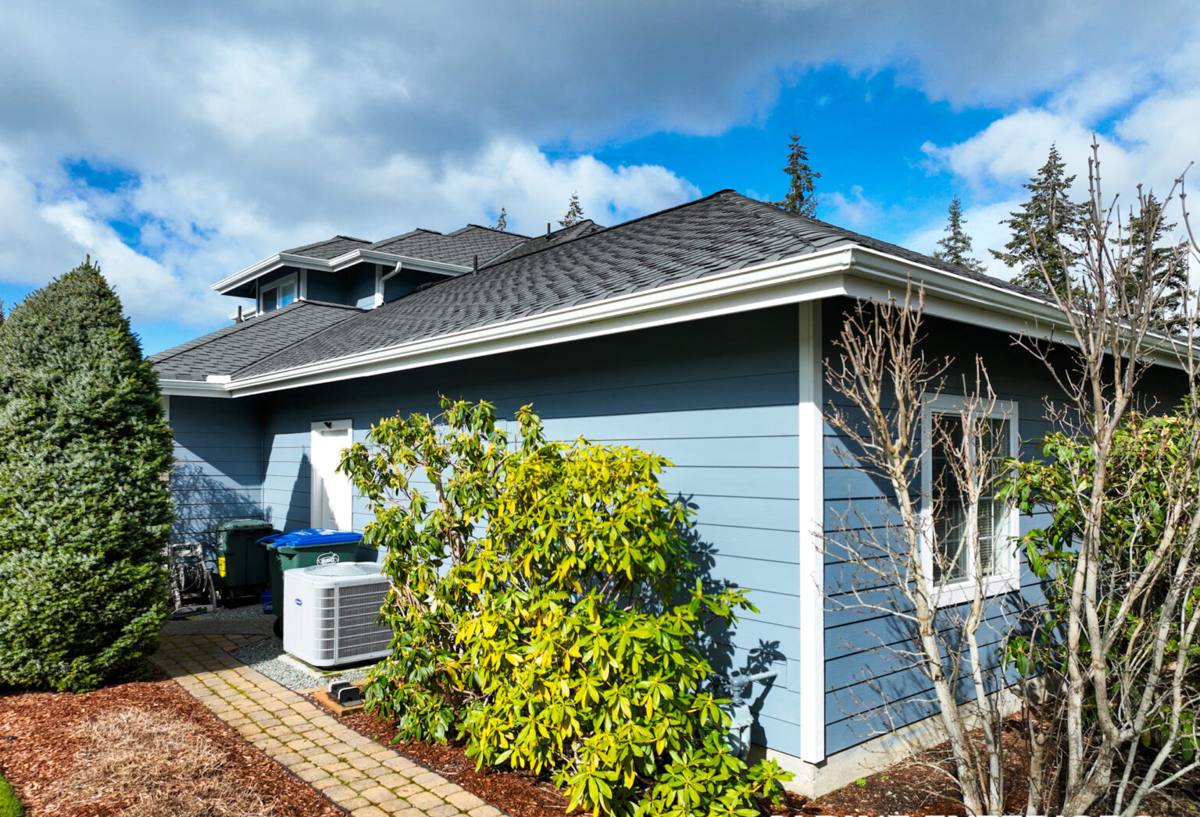
Signs Your Eastmont Roof Needs Repair, Not Replacement
Most roofs don't fail all at once. They show warning signs first, and catching those signs early is usually the difference between a modest repair bill and a full tear-off. Watch for:
- Dark streaking or green-black growth on north-facing slopes or shaded valleys
- Moss growing in clumps along shingle edges, ridge caps, or where roof planes meet
- Granules collecting in gutters or at the base of downspouts
- Curling, cupping, or cracked shingles, especially on slopes that get the most sun and wind exposure
- Water stains on interior ceilings, particularly near chimneys, skylights, or roof valleys
- Soft or spongy decking felt underfoot when walking the roof
- Rusted, lifted, or missing flashing around vents, chimneys, and wall intersections
- Daylight visible through the attic roof deck
If you're seeing one or two of these, it's very likely a repair situation. If you're seeing several at once, especially soft decking combined with interior staining, it's worth having someone look before deciding what's needed — but that determination should come from an inspection, not a guess.
Moss, Algae, and the Long Wet Season — Why It Matters Here
Moss is the single most common roof complaint we see in this part of Snohomish County, and it's a direct result of the climate: shade, moisture that doesn't fully dry between rain events, and mild temperatures that let organic growth establish itself over months rather than weeks. Moss isn't just cosmetic. As it grows, it lifts shingle edges and holds moisture directly against the roofing material and the fasteners underneath. Over time that moisture intrusion accelerates granule loss, corrodes fasteners, and can work its way under the shingle layer into the decking.
Algae staining (the dark streaks you'll often see on older roofs) is a separate issue from moss but comes from the same root cause — persistent moisture and limited direct sun on certain slopes. It's mostly cosmetic on its own, but it's a good indicator that a roof surface isn't drying out the way it should, which is worth factoring into a repair plan.
The fix isn't just power-washing moss off and calling it done. Aggressive pressure washing can strip granules and shorten the life of the remaining shingles. A correct approach removes moss gently, treats the surface to slow regrowth, and — where the underlying shingles are compromised — repairs or replaces the affected sections rather than just cleaning over damage that's already there.
Driving Rain and Wind-Driven Water
Rain in this region doesn't always fall straight down. Wind off the Sound pushes it sideways, which means water finds its way into gaps that would stay dry in calmer weather — lifted shingle tabs, marginal flashing laps, and exposed fastener heads. Repairs here need to account for wind-driven rain, not just standing water, which is part of why flashing detail work matters as much as the shingles themselves.
What a Correct Roof Repair Actually Involves
A roof repair that actually holds up isn't just patching the spot where water is showing up inside the house. Water travels along the roof deck before it drips through, so the visible leak point and the actual entry point are often in different places. A correct repair process looks like this:
Diagnosis Before Any Work Starts
We trace the leak from the interior stain or damp spot back up through the attic and roof deck to find where water is actually getting in. This usually means checking flashing, valleys, penetrations (vents, chimneys, skylights), and the shingle field itself, rather than assuming the nearest visible damage is the source.
Matching Materials Correctly
Repairs should use materials that match the existing roof in type, weight, and where possible, color and age-appropriate profile. Mismatched shingles create an uneven surface that can trap water differently than the surrounding roof, and mismatched metal flashing can cause galvanic corrosion issues over time. When exact matches aren't available, we explain the trade-offs honestly rather than installing something that will visibly clash or perform differently.
Flashing and Valleys Get Priority
The majority of roof leaks we trace in this area come from flashing and valleys, not the open shingle field. Flashing around chimneys, dormers, skylights, and wall-to-roof transitions takes the brunt of wind-driven rain and thermal movement. If flashing is reused when it shouldn't be, or resealed with caulk instead of properly re-lapped and integrated with the roofing material, the repair fails again within a season or two.
Ventilation Gets Checked, Not Ignored
Poor attic ventilation traps moisture, which speeds up moss and rot from the inside of the roof deck as well as the outside. A repair that ignores ventilation is only solving half the problem, especially in a climate where humidity sits high for months at a time.
Common Repair Needs by Roof Type
Eastmont has a mix of roof ages and materials, and the right repair approach depends on what's actually up there. Here's a general breakdown of what tends to need attention on each type in this climate:
| Roof Type | Common Issue Locally | Typical Repair Focus |
|---|---|---|
| Composition (asphalt) shingle | Moss lift, granule loss, curling on sun-exposed slopes | Section replacement, flashing re-lap, moss treatment |
| Cedar shake | Moisture retention, splitting, moss and moisture rot in shaded areas | Individual shake replacement, improved airflow under shakes |
| Metal roofing | Fastener backout, sealant failure at seams and penetrations | Fastener replacement, re-sealing seams, panel inspection |
| Flat or low-slope (membrane) | Ponding water, seam separation, membrane wear at edges | Seam repair, drainage correction, patching worn membrane |
Every roof and every situation is a little different — this table is a starting point for the conversation, not a diagnosis. That's what the on-site inspection is for.
Our Roof Repair Process
We keep the process straightforward and try not to make homeowners guess what's happening at each step.
1. Inspection and Honest Assessment
We walk the roof (weather permitting) and check the attic from the inside, looking for the actual source of the problem rather than just the symptom. We'll tell you plainly if what you're dealing with is a contained repair or something bigger.
2. Written Estimate, No Pressure
You get a clear scope of what needs to happen and why, in writing, before any work starts. If there are options — for example, a targeted repair now versus a broader fix that addresses an underlying ventilation issue — we lay those out honestly, including the trade-offs of each.
3. The Repair Itself
We do the work with materials that match your existing roof where possible, following manufacturer installation guidance for whatever shingle, shake, metal, or membrane system is on your home. Flashing and valley work gets the same attention as the visible repair area, since that's usually where a repair either holds or doesn't.
4. Cleanup and Follow-Through
We clear debris, remove old material, and leave the site the way we found it. If the repair was tied to a specific leak, we're straightforward about what to watch for afterward, especially through the next heavy rain.
Repair vs. Replacement: How We Help You Decide
Not every roof problem needs a full replacement, and not every roof problem should be patched indefinitely either. The honest answer depends on the roof's age, how widespread the damage is, and what's happening underneath the surface layer.
| Factor | Leans Toward Repair | Leans Toward Replacement |
|---|---|---|
| Roof age | Well within expected lifespan for the material | At or past expected lifespan |
| Damage extent | Localized to one section or penetration | Spread across multiple slopes |
| Decking condition | Solid, no soft spots | Soft, spongy, or visibly rotted decking |
| Leak history | First occurrence or isolated cause | Recurring leaks in different spots over time |
| Underlying ventilation | Adequate, functioning | Inadequate, contributing to ongoing moisture issues |
We'll never push a full replacement when a repair genuinely solves the problem, and we won't recommend patching a roof that's structurally past the point where repairs make financial sense. That call gets made based on what we actually find on your roof, not a default sales script.
Why a Crew That Already Works Eastmont Matters
A roof repair crew that regularly works this part of Everett already understands the local variables that matter: how far moss tends to establish before it's visible from the ground, how the prevailing wind off the Sound affects which slopes take the worst weather, and how the mix of roof ages in older Eastmont streets versus newer construction changes what to look for. That local familiarity shows up in small but meaningful ways — knowing to check a specific flashing detail that tends to fail on homes of a certain era, or recognizing moss patterns that indicate a ventilation problem rather than just a cleaning need.
It also matters for practical reasons. A crew based in and around Everett can respond faster when a repair is time-sensitive, like an active leak during a storm, and can follow up easily if something needs a second look after the next heavy rain.
Maintenance Tips Between Repairs
A repaired roof lasts longer when it's looked after in between service visits. A few habits go a long way in this climate:
- Keep gutters and downspouts clear so water isn't backing up under roof edges
- Trim back overhanging branches that keep roof sections shaded and slow to dry
- Have moss treated at the first sign of growth rather than waiting for it to spread
- Check the attic occasionally for musty smells, damp insulation, or daylight through the deck
- After any major windstorm, do a visual check from the ground for lifted or missing shingles
- Don't ignore small interior stains — they rarely get smaller on their own
None of this replaces a professional inspection, but it can catch problems early enough that a repair stays small.
Ready to Get Your Roof Looked At?
If you're seeing moss buildup, a stain on the ceiling, or you just haven't had your roof checked in a while, we're happy to take a look. The estimate is free, there's no pressure attached to it, and you'll get a straight answer about what your roof actually needs. Use the form below to get started.