 Everett
 Why Port Gardner's Location on the Water Changes the Window Equation
Homes in the Port Gardner area sit close to the bay, which means they take on a different kind of weather exposure than houses further inland in Snohomish County. Salt-laden air off the water works on window hardware and metal components year-round, not just during storms. Add in wind-driven rain that comes in sideways off Puget Sound, and a long stretch of the year where moss and algae find every damp, shaded surface to colonize, and you've got a climate that is genuinely harder on windows than most manufacturers design for in their standard warranty language.
This isn't a reason to panic about your windows — it's a reason to be deliberate about material choice, glazing, and especially installation detailing. A window that would perform fine in a drier part of the state can fail early here if the frame material corrodes, the seals aren't rated for constant moisture cycling, or the flashing wasn't built to shed water the way this climate demands.
What "Custom" Actually Means for Port Gardner Homes
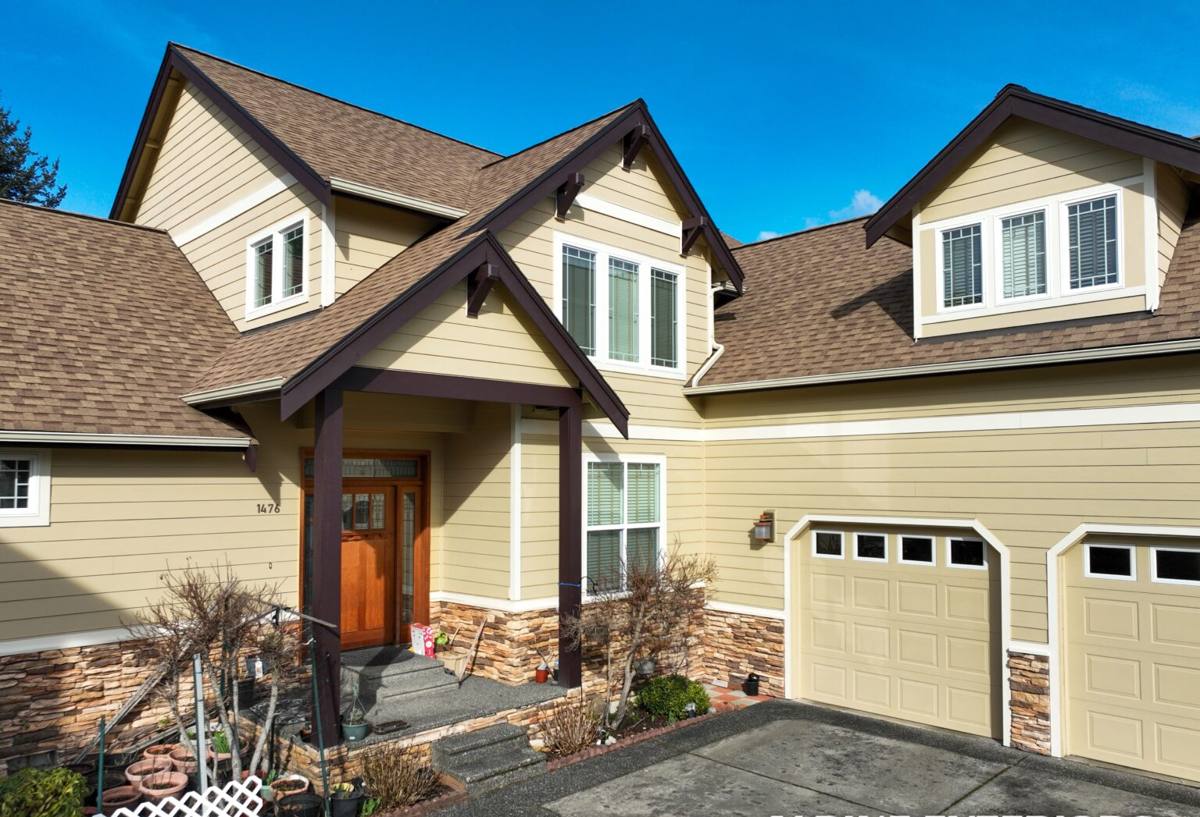
Port Gardner has a mix of older homes near Everett's historic core alongside newer builds, and that mix matters for window work. Older houses often have openings that have shifted slightly out of square over the decades, original trim profiles worth preserving, and siding details that don't match anything off a big-box shelf. "Custom" isn't a marketing word here — it means we field-measure every opening individually rather than ordering stock sizes and hoping they fit, and we make a real decision about whether to keep your existing frame (insert replacement) or remove it down to the rough opening (full-frame replacement).
Insert vs. Full-Frame: A Real Decision, Not a Default
Insert replacements go inside your existing frame and are faster and less disruptive, but they only make sense if that original frame is still sound, square, and free of rot or water damage. Full-frame replacement costs more and takes longer, but it's the only honest option when the frame itself has been compromised — which we see more often in homes that have had years of exposure to wind-driven rain without adequate flashing. We'll tell you which situation you're in before we quote anything, not after.
Choosing Frame Materials That Hold Up Near the Water
Not every window material handles a marine-influenced, high-moisture climate equally well. Here's how the common options compare for a Port Gardner property specifically:
| Material | Moisture & Salt Air Performance | Maintenance | Typical Fit |
|---|---|---|---|
| Vinyl | Good — won't corrode or rot; seams are the main watch point | Low; occasional cleaning | Most homes, especially value-focused replacements |
| Fiberglass | Excellent — dimensionally stable, resists warping from wet/dry cycling | Low | Homes wanting long-term durability with minimal upkeep |
| Wood-clad | Good on the exterior if cladding is intact; interior wood needs protection from condensation | Moderate to higher | Historic-character homes where original wood sightlines matter |
| Aluminum | Poor without thermal breaks — conducts cold and is prone to condensation and corrosion in salt air | Moderate | Rarely our first recommendation this close to the bay |
We don't push one material on every job. A wood-clad window can be the right call on a home where matching the original character matters, as long as the homeowner understands the maintenance commitment. On a straightforward replacement where long-term, low-hassle performance is the priority, fiberglass or a quality vinyl unit is usually the more sensible fit for this climate.
Glass and Glazing Choices for a Gray, Damp Climate
Everett doesn't deal with intense summer heat gain the way other regions do, so window shopping advice written for hotter climates can steer you toward the wrong glazing package. What matters more here is a low U-factor (how well the window resists heat loss on cold, wet days) and a glazing system that resists interior condensation during our long stretches of high humidity and temperature swings between inside and outside air.
- Dual-pane with Low-E coating is the practical baseline for this area — it cuts heat loss and reduces the fogging and streaking that shows up on cold mornings.
- Argon gas fill adds a modest but real improvement in insulating performance, at low added cost.
- Seal quality matters more than the glass spec on paper. A well-rated window with a poorly manufactured or poorly installed seal will fail — fogging between the panes — years before a modestly rated window with a tight, correctly set seal.
- Triple-pane is worth discussing on north-facing or particularly exposed walls, but it's rarely necessary for the whole house.
Condensation on the Inside Isn't Always a Bad Window
We get calls from Port Gardner homeowners worried their new windows are "sweating." Often it's a ventilation or humidity issue inside the home, not a product defect — bathroom fans not venting outside, or a home that's been sealed up tighter without adjusting airflow. Part of an honest install includes talking through this so you're not chasing a phantom window problem.
Installation Details That Actually Stop Leaks
Most window failures we get called out to inspect near the water aren't glass problems — they're water management problems. The window itself is fine; the flashing, sealant, or sill detailing around it wasn't done correctly, and moisture has been finding its way behind the trim for months or years before anyone notices staining, soft wood, or moss creeping up from the sill.
What a Correct Installation Includes
- A sill pan or sloped sill detail so any water that does get past the exterior barrier drains back out instead of pooling against wood framing.
- Proper integration with the house wrap or weather-resistive barrier — flashing tape and building paper lapped in the right order, not just caulk smeared over gaps.
- Head flashing above the window to direct water around the opening rather than down the face of the frame.
- Sealant used at the right joints — not as a substitute for flashing, but in addition to it.
- Weep holes left clear so any incidental moisture in the frame can escape instead of sitting and breeding mold or rot.
Skip any one of these steps and you can end up with a window that looks fine from the street but is quietly rotting the framing around it — a problem that's expensive to fix later and easy to prevent by doing the install correctly the first time.
Our Process, Start to Finish
We keep the process straightforward because homeowners deserve to know what's happening to their house at every stage:
- On-site assessment — we look at your existing frames, sills, and trim condition, not just take window counts and sizes.
- Honest recommendation — insert or full-frame, and which materials actually fit your home and budget, explained in plain terms.
- Precise field measurement — every opening measured individually; nothing ordered off assumed standard sizes.
- Installation — proper flashing and sealing sequence, with interior and exterior trim finished to match your home.
- Final walkthrough — we show you the completed work, explain any maintenance items specific to your windows, and clean up the job site before we leave.
What Drives the Cost on a Custom Window Job
Every home is different, so instead of quoting numbers that won't mean much until we've seen your house, here's what actually moves the price up or down on a typical Port Gardner project:
| Factor | Why It Matters | Typical Cost Impact |
|---|---|---|
| Insert vs. full-frame replacement | Full-frame involves more labor, trim, and siding work | Higher for full-frame |
| Frame material | Fiberglass and wood-clad cost more than standard vinyl | Moderate to higher |
| Existing rot or water damage | Damaged framing must be repaired before a new window goes in | Adds cost, varies by extent |
| Number and size of windows | Larger openings and whole-house jobs create material and labor efficiencies | Per-window cost often drops with volume |
| Trim and siding matching | Preserving original trim profiles or matching existing siding takes more time | Moderate |
| Access and height | Second-story or hard-to-reach windows require more setup | Modest increase |
Maintenance Checklist for Homes Near Port Gardner Bay
A well-installed, well-chosen window still benefits from a bit of seasonal attention in this climate. A few minutes a couple times a year goes a long way toward avoiding bigger problems:
- Rinse salt residue and grime off exterior frames periodically, especially after storms with onshore wind.
- Check exterior caulking and sealant lines once a year for cracking or separation, particularly on south- and west-facing walls that take the brunt of driving rain.
- Clear moss, leaves, and debris from sills, tracks, and weep holes so water has a clear path to drain.
- Watch for peeling paint or soft spots on wood trim around windows — an early sign moisture is getting behind the surface.
- Wipe down interior condensation promptly and run bathroom or kitchen exhaust fans to the outside to keep indoor humidity in check.
- Operate each window at least occasionally through the wetter months so tracks and hardware don't seize up from disuse.
Why Local Experience in Port Gardner Matters
Every neighborhood along Puget Sound has its own version of this climate challenge, but proximity to the bay, prevailing wind direction, and the age and construction style of nearby homes all shape what actually goes wrong here versus a few miles inland. A crew that regularly works Port Gardner homes has already seen how salt air ages hardware, where wind-driven rain tends to find weak points, and how moss season behaves on this specific stretch of Everett waterfront. That experience shows up in the details — the flashing sequence, the material recommendation, the honest answer about whether your frame needs full replacement — not in anything you'd notice from a sales pitch.
We stand behind our installations locally, which means if something needs a second look down the road, we're not far away and we're not a stranger to your home's specific conditions.
If you're weighing your options for custom windows on a Port Gardner home, we're happy to take a look and give you a straight, no-pressure assessment of what your house actually needs. Use the form below to request a free estimate.