 Everett
 Roofing Built for Glenhaven's Weather, Not Just Any Roof
Glenhaven sits close enough to Puget Sound and Possession Sound that salt-laden air is a real factor in how roofing materials age here, and it's inland enough that the neighborhood still catches the full brunt of Snohomish County's wet-season storms rolling off the water. That combination — corrosive air plus near-constant moisture for six or seven months of the year — is harder on a roof than most manufacturers' warranty language assumes. A new roof installation in this neighborhood isn't just about picking a shingle color and nailing it down. It's about choosing materials, fasteners, and ventilation details that hold up to salt exposure, shed driving rain instead of absorbing it, and resist the moss and algae that thrive in shaded, damp conditions for most of the year.
We install roofs across Everett and the rest of Snohomish County, and Glenhaven's mix of mature tree canopy, older housing stock, and proximity to the water shows up in every roof we look at here — often as premature granule loss, rusted fasteners, or moss colonies that started in a shaded valley and spread from there. A correctly installed new roof addresses all of that from day one instead of leaving it for the homeowner to discover five years in.
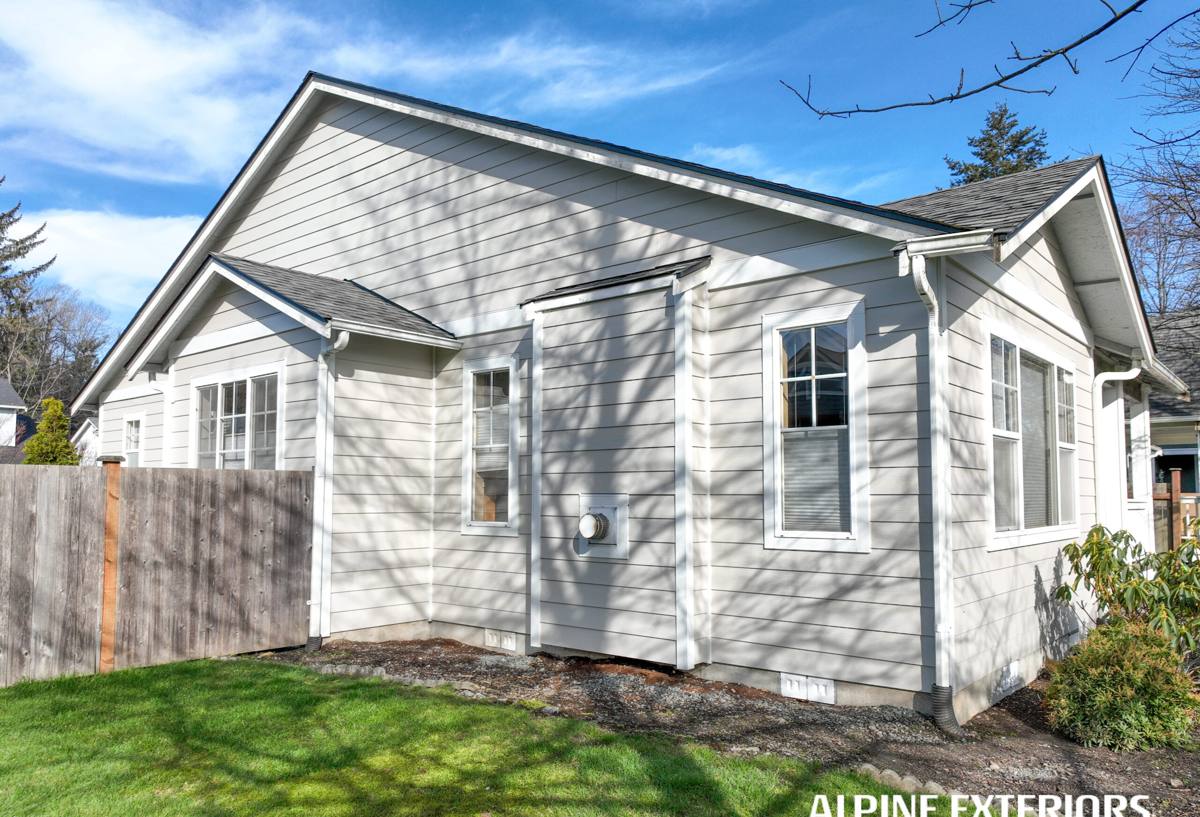
What Everett's Climate Does to a New Roof
Salt Air and Metal Fatigue
Homes closer to the water deal with airborne salt that accelerates corrosion on anything metal — flashing, fasteners, drip edge, and exposed hardware. Standard galvanized fasteners can start showing rust streaks well before a shingle roof is due for replacement. We spec corrosion-resistant fasteners and flashing metals on installs in this area as a matter of course, not as an upgrade.
Driving Rain
Wind-driven rain off the Sound doesn't just fall straight down — it gets pushed sideways into laps, valleys, and wall-to-roof transitions. A roof that would perform fine in a drier climate can leak here if the underlayment, valley metal, and flashing details aren't built for wind-driven water intrusion specifically. This is where a lot of installation shortcuts get exposed, usually during the first real winter storm.
Moss and Algae Season
Snohomish County's long wet season, combined with shaded lots common in established neighborhoods like Glenhaven, creates ideal conditions for moss and algae growth on roofing. Left unmanaged, moss lifts shingle edges, holds moisture against the roof deck, and shortens the life of the roofing material significantly. Material choice, algae-resistant granules, and proper ventilation all factor into how much of a moss problem a homeowner deals with down the road.
What a Correct New Roof Installation Actually Involves
A new roof is a system, not a single product. Each layer has a job, and skipping or shortcutting any of them is where premature failures come from.
- Tear-off and deck inspection: Old roofing removed down to the deck, with every sheet of sheathing checked for rot, delamination, or soft spots — especially around valleys and low-slope sections where water has had years to work.
- Deck repair: Any damaged sheathing replaced before anything new goes down. Installing over a compromised deck is one of the most common causes of early roof failure.
- Ice and water barrier: Self-adhering waterproof membrane at eaves, valleys, and roof penetrations, where wind-driven rain and ice damming are most likely to force water backward under the roofing material.
- Underlayment: A synthetic or felt underlayment across the full roof as a second line of defense, rated for the wind and moisture exposure typical of this area.
- Flashing: New corrosion-resistant flashing at every chimney, wall intersection, skylight, and vent — reused old flashing is a common shortcut and a common source of future leaks.
- Roofing material installation: Shingles, metal, or other roofing installed to manufacturer spec and local building code, with proper nailing patterns and exposure.
- Ventilation: Balanced intake and exhaust ventilation so moisture-laden attic air actually leaves the attic instead of condensing against the underside of the deck.
- Cleanup and final inspection: Full site cleanup, magnetic sweep for stray fasteners, and a walk-through of the finished roof.
Ventilation Deserves Its Own Mention
In a climate this wet, poor attic ventilation doesn't just waste energy — it traps moisture against the roof deck from the inside, which can rot sheathing and grow mold even when the roofing itself is doing its job perfectly. We check and correct intake/exhaust balance as part of every new roof installation, not as an add-on sale.
Choosing a Roofing Material for Glenhaven Conditions
There's no single "best" roofing material — the right choice depends on the home's roof pitch, budget, tree coverage, and how much long-term maintenance the homeowner wants to take on. Here's how the common options stack up for a salt-air, high-moisture, moss-prone neighborhood:
| Material | Moisture & Moss Behavior | Salt Air Durability | Typical Lifespan | Maintenance |
|---|---|---|---|---|
| Architectural asphalt shingle | Good with algae-resistant granules; needs periodic moss removal in shaded areas | Good with corrosion-resistant fasteners and flashing | 25-30 years | Low to moderate |
| Standing seam metal | Excellent — sheds moisture fast, nothing for moss to grip | Requires marine-grade coatings/fasteners near the water | 40-50+ years | Low |
| Cedar shake | Poor in shaded, damp conditions without diligent upkeep | Fair | 20-30 years with maintenance | High |
| Synthetic/composite shingle | Good; resists moisture absorption | Good | 30-50 years depending on product | Low |
We don't push cedar shake in heavily shaded, damp settings as a matter of professional standard — the maintenance burden to keep it moss-free and watertight in a climate like this is significant, and homeowners are usually better served by a material that tolerates moisture without constant upkeep. That's a trade-off conversation we're happy to have honestly, not a sales pitch either direction.
Signs a Glenhaven Home Needs a New Roof, Not Another Repair
- Granule loss heavy enough that shingles look bald or patchy, especially on south- and west-facing slopes
- Moss or algae covering large sections rather than isolated spots
- Multiple past repairs in different areas of the roof, rather than one contained problem
- Visible sagging along the roofline or in valleys
- Daylight visible through the attic roof deck, or water stains on interior ceilings
- Roof age approaching or past the material's expected lifespan, regardless of visible damage
- Rusted or failing flashing and fasteners, common near the water in this area
A roof that's failing in one spot but otherwise sound might just need a repair. A roof showing several of these signs at once is usually past the point where patching makes financial sense.
Our Process for a New Roof Installation
1. On-Site Inspection and Estimate
We walk the roof and attic, note the deck condition, ventilation setup, and any moisture or moss issues specific to the property, then put together a written estimate with material options.
2. Material Selection
We go over the trade-offs above in plain terms — cost, lifespan, maintenance, and how each option handles this area's salt air and wet season — so the homeowner picks the right fit rather than the loudest sales pitch.
3. Scheduling Around Weather
Roofing tear-offs expose a home to the elements, so we plan installs around Snohomish County's weather windows and keep the roof dried in at the end of every work day if a job runs multiple days.
4. Installation
Tear-off, deck repair, waterproofing, flashing, ventilation correction, and material installation, done in that order, with no step skipped to save time.
5. Final Walk-Through
We review the finished roof with the homeowner, cover warranty details, and answer any questions about maintenance going forward, including moss prevention specific to shaded lots.
Why It Matters That We Already Work in Glenhaven
A crew that's worked roofs throughout Everett and this part of Snohomish County already knows which details matter here — the fastener corrosion issues that show up near the water, the valley and flashing work that actually stops wind-driven rain, and the ventilation corrections that keep moss and moisture from becoming a recurring fight. That's the difference between a roof that's technically installed and one that's installed right for where it sits. We're not applying a one-size-fits-all install and hoping the climate cooperates.
Get a Free, No-Pressure Estimate
If your Glenhaven home's roof is showing its age, or you just want an honest read on where it stands, we're glad to take a look. Fill out the form below and we'll set up a free estimate — no pressure, no obligation, just a straight answer about what your roof needs.