 Everett
 Deck Repair Built for Lynnwood's Wet, Salt-Tinged Climate
A deck in Lynnwood works harder than a deck almost anywhere inland. Between the marine air moving off Puget Sound, the long stretch of fall-through-spring rain, and the shade many Snohomish County lots carry from mature evergreens, decking systems here take on moisture load that most manufacturers never designed around. Add in a moss season that can run six months or more, and you get a structure that's constantly cycling between soaked and dry, which is exactly the condition that breaks down wood fiber, corrodes fasteners, and lifts finishes.
Deck repair done right in this area isn't about slapping new boards over old framing and calling it done. It's about understanding where water actually goes on a Pacific Northwest deck, what that water does to different materials over time, and which fixes hold up versus which ones just look good for a season. That's the standard we hold every Lynnwood repair to.
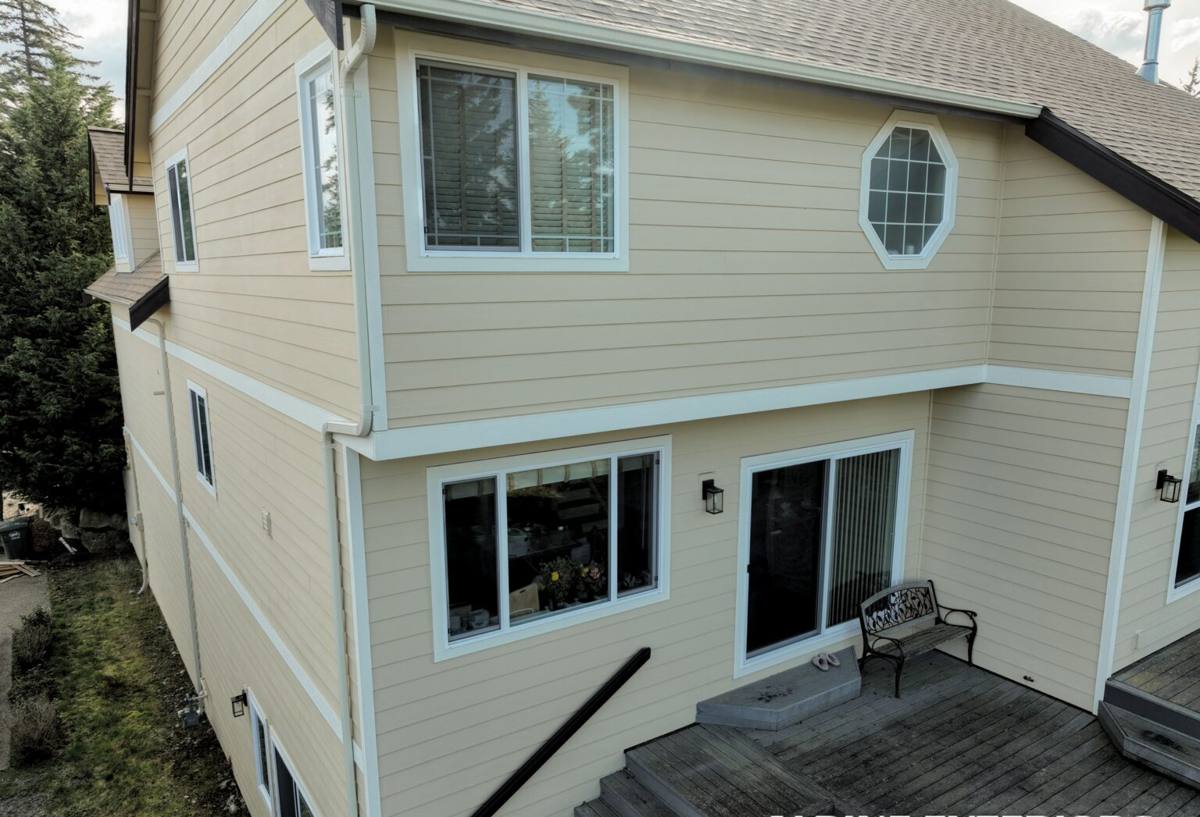
Signs Your Lynnwood Deck Needs Repair, Not Replacement
Most decks don't fail all at once — they show warning signs first. Catching them early is usually the difference between a repair bill and a full rebuild.
- Soft or spongy spots when you walk across the decking boards
- Green or black staining that keeps returning within weeks of cleaning
- Gaps opening up between boards, or boards that have cupped or crowned
- Rust streaks running down from screws, nails, or joist hangers
- Railings or stair stringers that flex or feel loose under normal weight
- A visible gap or dark staining where the deck meets the house (the ledger board)
- Standing water that doesn't drain within a few hours after rain stops
Any one of these can be a minor fix. Several at once, especially in the framing, usually means it's time for a closer structural look before we talk about surface repairs.
What's Actually Damaging Decks Around Here
Moisture That Never Fully Leaves
Snohomish County doesn't get the hard freeze-thaw cycling of colder climates, but it makes up for it with duration. Wood that stays damp for weeks at a time, especially in shaded or north-facing yards common around Lynnwood, is far more vulnerable to rot than wood that gets short, heavy rain followed by real drying time.
Salt-Influenced Air
Proximity to Puget Sound means the air carries more salt content than an inland town would see. That accelerates corrosion on exposed metal — nail heads, screw shanks, joist hanger hardware, and railing brackets all show it first, often well before the wood around them looks like a problem.
Moss and Organic Buildup
Moss doesn't just look bad. It holds moisture directly against the decking surface, blocks airflow between boards, and works into fastener holes and seams where it keeps that wood wet long after the rest of the deck has dried. Left alone through a wet season, it's one of the most common reasons boards that "still look okay" turn out to be soft underneath.
What a Correct Deck Repair Actually Involves
Ledger Board and Structural Connections
The ledger board — where the deck attaches to the house — is the single most important connection on the structure and the most common source of hidden rot, because water tracks behind it if flashing was installed poorly or has failed. A proper repair means pulling decking back far enough to actually inspect this connection, not just caulking over a visible gap.
Posts, Footings, and Framing
Posts that sit in or near standing water, and joists that don't have proper flashing tape or drip protection, are where structural failure usually starts. We check for soft wood, rusted hardware, and footings that have shifted or settled before doing any cosmetic work above them.
Decking Boards and Fastener Corrosion
Individual board replacement is often straightforward, but it only holds up long-term if the fasteners going back in are rated for this climate and the framing underneath is sound. Screwing new boards into compromised joists just relocates the problem.
Railings and Stairs
Railings and stair stringers are safety components, not cosmetic ones. A wobbly railing usually means the post attachment has failed, not that the railing itself needs replacing — and it's one of the fastest deck repairs to get dangerously wrong if it's just tightened rather than properly re-secured.
Repair vs. Replace: How We Help You Decide
| Factor | Leans Toward Repair | Leans Toward Replacement |
|---|---|---|
| Framing condition | Joists and posts probe solid, only surface boards affected | Soft or rotted joists, posts, or beams |
| Ledger board | Dry, properly flashed, no staining | Rot, staining, or missing flashing behind decking |
| Age of structure | Under 15–20 years, built to a reasonable standard | Original construction quality or code compliance is questionable |
| Extent of damage | Isolated boards, hardware, or railing sections | Damage spread across most of the deck's surface and structure |
| Cost outlook | Targeted repair cost is modest relative to deck size | Repair costs start approaching a large share of full rebuild cost |
We walk this decision with you honestly. If a repair genuinely solves the problem, that's what we recommend — a deck doesn't need to be rebuilt just because it's imperfect.
Our Process for Lynnwood Deck Repairs
- Inspection. We walk the full deck, probe suspect boards and framing, check the ledger connection, and look at drainage and grading underneath.
- Honest scope. You get a clear explanation of what's actually wrong, what's cosmetic, and what's structural — before any work starts.
- Permit check. Minor board or railing repairs typically don't require a permit, but structural work like footing or ledger replacement often does depending on scope. We'll flag it if your project needs local sign-off.
- Repair. Damaged material comes out, framing gets properly protected against moisture going back together, and new components are installed to match the load and appearance of the rest of the deck.
- Finish and protect. Where appropriate, we seal or finish repaired areas so they weather consistently with the rest of the structure rather than standing out or failing faster than everything around them.
Materials We Use and Why
For structural framing, properly rated pressure-treated lumber remains the standard we build to — it's a known material with a known moisture tolerance, and it's easy to inspect and maintain over the life of the deck. For fasteners and hardware, we use corrosion-resistant options rated for treated lumber and exterior exposure; in a marine-influenced climate like this, cutting corners on hardware grade is one of the fastest ways to end up back here in five years instead of fifteen.
On decking surfaces, both wood and composite have a place, and the right choice depends on your existing deck, your budget, and how much upkeep you want going forward. Wood costs less upfront and can be repaired board-by-board, but needs regular cleaning and refinishing to hold up against moss and moisture. Composite resists moss and rot better but is less forgiving to patch invisibly if only a section is damaged, and installation sensitivity around fastening and spacing matters more with composite than with wood. We'll walk you through the real trade-offs for your specific deck rather than pushing one material as a default.
Maintaining Your Deck After Repair
A repair holds up a lot longer with a little seasonal attention, especially given how long the wet season runs here.
- Sweep debris and standing leaves off the deck regularly, especially in fall
- Clean moss and algae before it builds a visible layer, not after
- Check railings and stair connections for movement once or twice a year
- Keep gutters and downspouts clear so runoff isn't dumping directly onto or under the deck
- Reseal or refinish wood decking on the schedule your finish product recommends, not just when it looks faded
- Watch the area where the deck meets the house — it's the first place a new problem tends to show up
Why a Crew That Already Works Lynnwood Matters
We're based in Everett and work throughout Snohomish County, including Lynnwood and the surrounding communities, so we're not guessing at how this climate treats a deck — we're looking at it on repair calls all year. That familiarity means we recognize the difference between damage that's cosmetic and damage that's structural faster, and we're not learning the local moisture and drainage patterns on your project. It also means we're a call away if a repair needs a follow-up look after the next wet season.
If your deck has soft spots, corroded hardware, a wobbly railing, or just doesn't feel as solid as it used to, we're happy to take a look and give you a straight answer. Reach out for a free, no-pressure estimate using the form below — we'll tell you honestly whether you need a repair, a bigger fix, or nothing at all.