 Everett
 Deck Building in Glenhaven, Built for the Climate That's Actually Here
Glenhaven sits close enough to the water and far enough into Snohomish County's marine weather pattern that a deck built the way it would be built inland just doesn't hold up the same way. Salt-tinged air off Puget Sound, long stretches of driving rain from fall through spring, and a moss season that can run six months or more all work on wood, fasteners, and finishes in ways that show up as cupping boards, black staining, and soft spots within a few years if the build wasn't planned around them. We build decks for this neighborhood specifically — not a generic deck dropped into a wet climate and hoped for the best.
This page covers what a Glenhaven deck actually needs to hold up, how we approach the build from framing to finish, and what to expect from a crew that already knows this stretch of Everett.
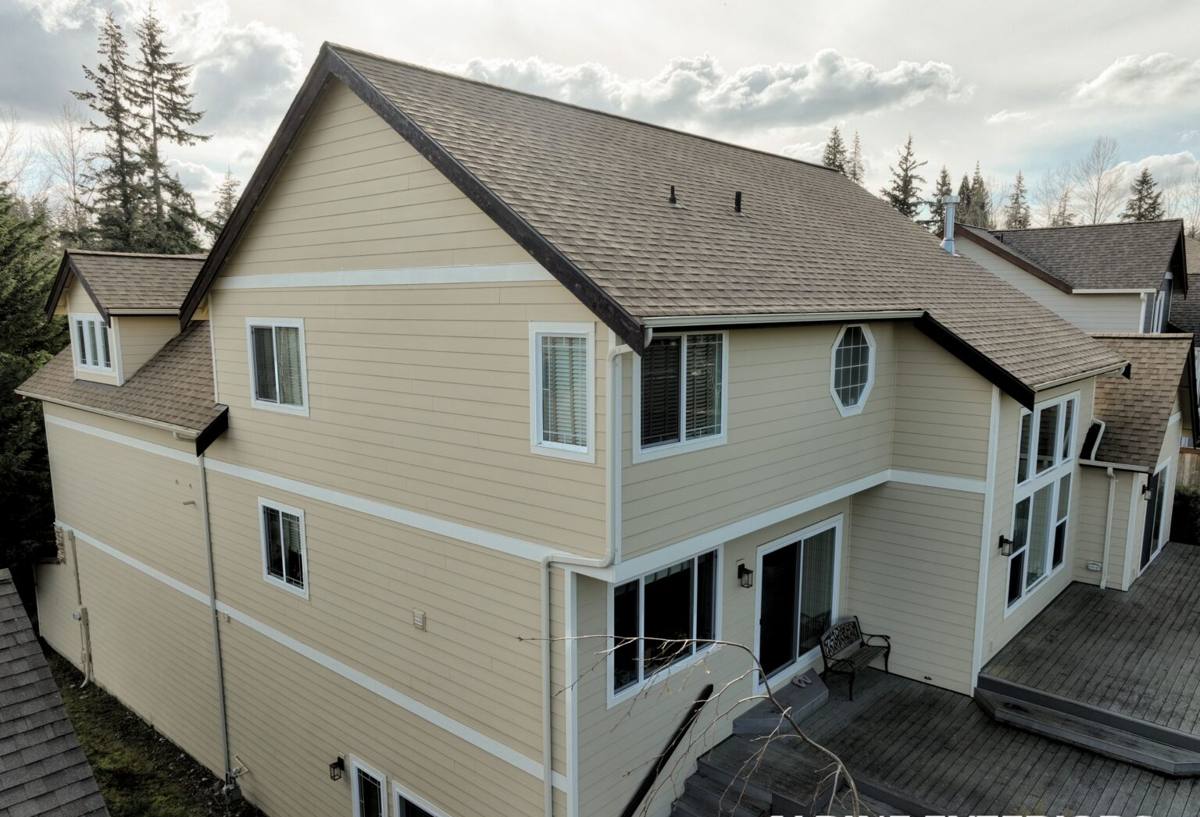
What Everett's Weather Actually Does to a Deck
Homeowners often assume deck failure is about the wear on the walking surface — foot traffic, furniture, grill heat. In this climate, the real damage almost always starts underneath and around the edges, in places you don't look at every day.
Moisture that doesn't fully dry out
Everett doesn't get the hard freeze-thaw cycles of colder climates, but it makes up for it with sheer duration of dampness. A deck here can go weeks at a time without a full dry-out period, especially in shaded yards or under tree cover, which is common in established Glenhaven lots. Wood that never fully dries is wood that's constantly moving, and joints, fasteners, and ledger connections take the brunt of that movement over years.
Moss, algae, and organic buildup
Moss doesn't just make a deck surface slippery — it holds moisture directly against the board, which accelerates rot underneath the growth long before it's visible from above. Gaps between boards, structural framing, and any area with limited airflow or sun exposure are where this shows up first.
Salt air and metal fasteners
Being close to Puget Sound means airborne salt reaches further inland than most people expect, and it accelerates corrosion on fasteners, brackets, and hardware that aren't rated for it. A deck can look structurally sound on the surface while the hardware holding it together is quietly failing underneath.
Choosing Decking Material for a Glenhaven Yard
There's no single "best" decking material — the right choice depends on how much maintenance a homeowner actually wants to do, the budget, and how shaded or exposed the site is. We walk every option honestly, including the trade-offs, rather than pushing whatever has the best margin.
| Material | Upfront Cost | Maintenance Needed | Moss/Moisture Resistance | Typical Lifespan Here |
|---|---|---|---|---|
| Pressure-treated wood | Lowest | Annual cleaning, periodic sealing | Fair — needs upkeep to stay ahead of moss | 10-15 years |
| Cedar | Moderate | Regular cleaning and re-oiling | Naturally rot-resistant, but still needs care | 15-20 years |
| Composite decking | Higher | Occasional washing, no sealing/staining | Good — resists rot, still needs cleaning to prevent moss on the surface | 25-30 years |
| PVC/capped composite | Highest | Minimal — rinse as needed | Best — fully resists moisture absorption | 30+ years |
For a shaded or damp Glenhaven lot, we'll often steer homeowners toward composite or capped materials even if the upfront cost is higher, simply because the maintenance burden of wood in a low-sun, high-moisture spot adds up fast in both time and money. That said, plenty of well-sited, well-ventilated yards do just fine with cedar or treated wood if the owner is willing to stay on top of cleaning and sealing. It's a real trade-off, not a upsell — we'll tell you honestly which way your specific site points.
What a Correctly Built Deck Looks Like Underneath
The visible decking is the smallest part of doing this right in our climate. Most of the long-term durability comes from decisions made before a single board is installed.
Footings and posts
Footings need to be set below frost depth per code and sized for the soil conditions on the specific lot — Snohomish County has a mix of clay-heavy and well-draining soils even within the same neighborhood, and we check rather than assume. Post bases should keep wood off the concrete and off standing water, since ground contact is one of the fastest ways to rot a post in a wet climate.
Ledger attachment and flashing
The ledger board — where the deck attaches to the house — is the single most common failure point on decks in this region, and it's almost always a flashing problem. Water that gets behind the ledger and into the house's rim joist causes damage you won't see until it's advanced. Proper flashing, correct fastener spacing, and a gap or drainage path behind the ledger are non-negotiable on every deck we build.
Joist protection and airflow
Joist tape or a comparable moisture barrier on top of the framing keeps water from sitting in fastener holes and wicking into the wood grain. Just as important is spacing and airflow underneath the deck — a low deck with poor ventilation traps moisture against the framing and is where we see the earliest moss and rot in Everett yards, sometimes years before the surface boards show any problem.
Fasteners and hardware
Given the salt air exposure in this area, we use fasteners and structural hardware rated for coastal or corrosive environments, not standard interior-grade hardware. It costs a little more up front and it's the difference between hardware that's still sound in fifteen years and hardware that's rusting through in five.
Our Deck Building Process
- On-site assessment. We walk the actual lot — sun exposure, drainage, soil, existing structure if it's a replacement — before recommending a material or layout.
- Design and material selection. We talk through the honest trade-offs for your specific site rather than defaulting to one product line.
- Permitting. We handle the permit application and inspections required for the project so you're not chasing paperwork.
- Framing and structural work. Footings, posts, beams, ledger flashing, and joist protection are all done to hold up under sustained moisture, not just pass a one-time inspection.
- Decking installation. Board spacing, fastening method, and edge details are set up for drainage and airflow, not just appearance.
- Final walkthrough. We go over care and maintenance specific to the material you chose, so you know what upkeep actually looks like going into your first wet season.
Permits and Code in Snohomish County
Most new deck construction and many deck replacements in Everett and unincorporated Snohomish County require a building permit, particularly when the deck is attached to the house, elevated above a certain height, or involves structural changes. Requirements can vary depending on the specific jurisdiction your address falls under, and inspections typically cover footings, framing, and the ledger connection before the decking goes down. We manage this process as part of the job rather than leaving it to the homeowner, since a deck built without the right permits and inspections can become a real problem at resale.
Deck Maintenance Checklist for Glenhaven Homeowners
Whatever material you choose, a little seasonal attention goes a long way in this climate. This is the baseline we walk every homeowner through:
- Clear leaves and debris from between boards and along the edges before fall rains set in — trapped organic matter is where moss gets its start
- Sweep or rinse off moss and algae growth as soon as you notice it, rather than waiting for it to spread
- Check the ledger area and any spots where the deck meets the house for staining, soft wood, or gaps in flashing once a year
- Inspect visible fasteners and hardware for rust or corrosion, especially if you're within a few miles of the water
- Keep gutters and downspouts near the deck clear so runoff isn't draining directly onto or under the structure
- Reseal or re-oil wood decking on the manufacturer's recommended schedule — skipping a year in this climate compounds fast
- Confirm underneath airflow isn't blocked by stored items, plantings, or skirting that traps moisture against the framing
Why a Crew That Already Works Glenhaven Matters
Deck building isn't exotic work, but building one that lasts in this specific climate takes judgment calls a crew only develops by actually working this area over time — how a particular yard drains, which sides of a lot stay shaded and damp longer, what hardware holds up versus what starts showing rust in a few winters. A crew that's built and repaired decks throughout Everett and the surrounding Snohomish County neighborhoods has already seen which shortcuts fail here and which details actually matter, instead of applying a one-size-fits-all approach from a drier region.
We're also on hand locally if a question comes up after the build — about maintenance, a warranty item, or how the deck is holding up through its first full wet season — rather than being a crew that finishes the job and is hard to reach afterward.
Get a Free Estimate for Your Glenhaven Deck
Whether you're planning a new deck, replacing one that's showing its age, or just want an honest read on what your current deck needs, we're happy to take a look. Fill out the form below for a free, no-pressure estimate — we'll walk your yard, talk through material options honestly, and give you a straight answer on what the job actually involves.