 Everett
 Roofing in Glenhaven: What the Everett Climate Actually Demands
Glenhaven sits inside Everett, Snohomish County, which means every roof here deals with the same short list of stresses year-round: salt-laden air moving in off the water, driving rain that comes in sideways during winter storms, and a long stretch of the year where shade and moisture combine to grow moss on anything that will hold it. None of these are exotic problems, but they are constant ones, and a roof that isn't detailed correctly for them will show it within a few years — not decades.
Asphalt shingle roofing can absolutely hold up in this climate. The issue is rarely the shingle itself; it's whether the underlayment, flashing, ventilation, and fastening were done with this specific weather pattern in mind. That's the difference between a roof that ages gracefully and one that needs premature repair.
Why Asphalt Shingles Still Make Sense for Glenhaven Homes
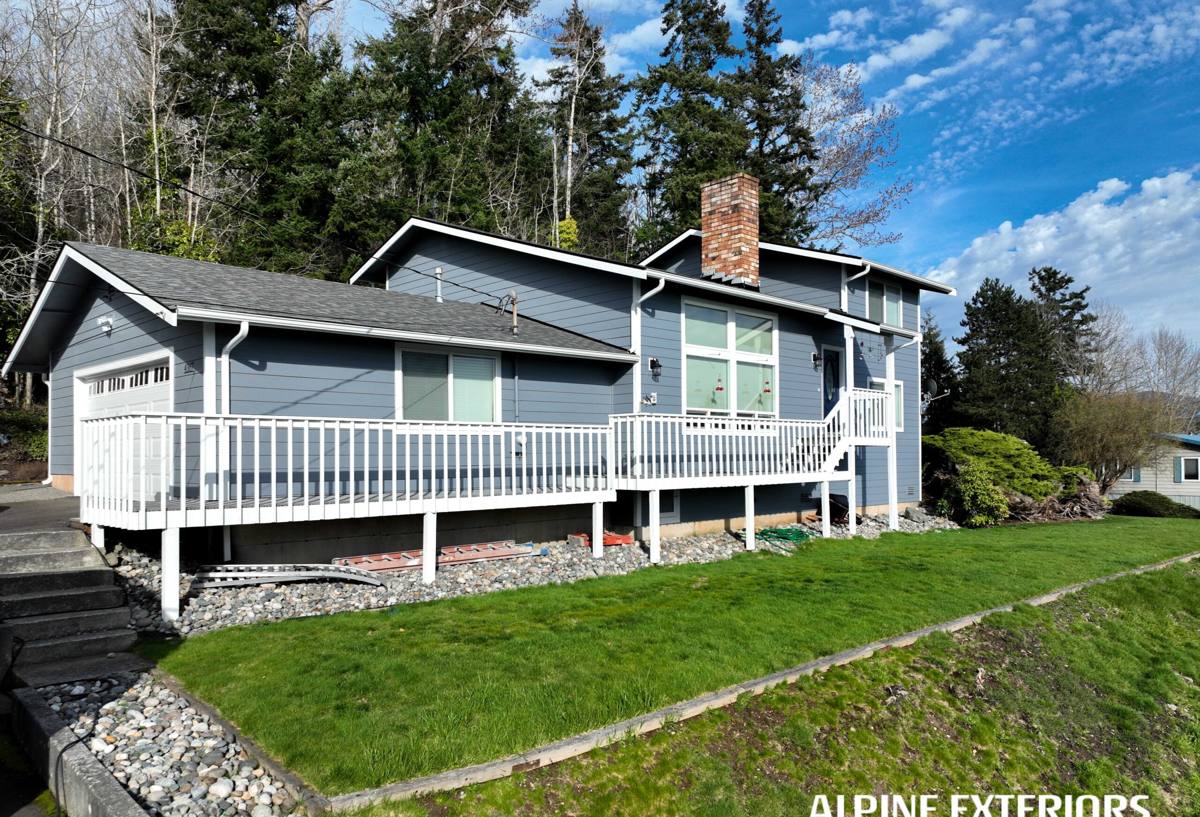
Asphalt shingles remain the most common roofing material in this neighborhood, and for good reason. They're a known quantity for local building departments, they're straightforward to repair in sections if storm damage hits one slope, and they fit the architectural character of the homes already on the street without looking out of place.
Cost and Long-Term Value
Asphalt shingles sit in the middle of the cost spectrum — more affordable upfront than metal or synthetic slate, with a service life that, when installed correctly, competes well against those pricier options for a fraction of the material cost. For most Glenhaven homeowners, that balance of upfront cost and multi-decade performance is the deciding factor.
Fitting the Neighborhood
Re-roofing with the same general shingle style keeps a home consistent with its neighbors and typically avoids raising questions with insurers or future buyers about an unusual roofing choice. When a shingle roof is done right, it also simplifies future repairs — matching materials and finding a crew familiar with the system is far easier than with less common roofing types.
What a Correct Asphalt Shingle Roof Install Actually Involves
A shingle roof is a system, not a single layer of material. Skipping or shortcutting any one part of that system is usually where premature leaks and failures come from.
Tear-Off and Deck Inspection
Old roofing comes off down to the deck so the plywood or OSB underneath can actually be inspected — not covered over. Any soft, delaminated, or water-stained decking gets replaced before anything new goes down. Installing new shingles over a compromised deck just hides a problem that will resurface as a soft spot or sag later.
Underlayment and Ice-and-Water Shield
A synthetic underlayment goes down across the full deck as the primary water barrier beneath the shingles. At eaves, valleys, and around penetrations — the spots most exposed to wind-driven rain — a self-adhering ice-and-water membrane adds a second layer of protection where wind can push water uphill under standard shingle coverage.
Flashing and Ventilation
New step flashing at walls, new valley metal, and new pipe boot flashing are standard on a proper tear-off — reusing old flashing to save time is a common shortcut that leads to leaks at exactly these transition points. Ventilation (intake at the eaves, exhaust at the ridge) also gets checked and corrected if needed, since poor attic airflow accelerates moss growth on the shingle surface and shortens shingle life from the underside.
Fastening and Ridge Detail
Shingles are nailed according to the manufacturer's pattern and count — not fewer nails to save time — and set at the correct exposure. Ridge cap shingles finish the roof and are one of the first areas to show wear in high-wind conditions if under-fastened.
Moss, Algae, and Salt Air: The Maintenance Reality
Moss Season
Tree cover and consistent moisture create long moss seasons on north-facing and shaded slopes. Moss holds water against the shingle surface, works into the granule layer, and can lift shingle edges over time, which is exactly where wind and rain get underneath. Regular removal — done carefully, without pressure-washing the granules off — matters more here than in drier climates.
Algae Streaking
Dark streaking on shingles is typically algae, not soot or dirt, and it's extremely common in the Pacific Northwest's damp conditions. It's cosmetic rather than structural, but algae-resistant shingle lines (with copper or zinc granules blended in) are worth the modest upcharge for homes in shaded or damp-prone spots.
Salt Air and Metal Components
Being close enough to the water to get salt-laden air means metal flashing, fasteners, and vent components corrode faster than they would further inland. We factor that into material choices — favoring corrosion-resistant flashing and fasteners on homes in this part of Everett rather than treating it as a generic installation.
Choosing the Right Shingle for This Neighborhood
Not every shingle tier is worth the upgrade for every home, but knowing the tradeoffs helps you make an informed call instead of guessing.
| Shingle Type | Typical Lifespan | Best Fit For | Maintenance Notes |
|---|---|---|---|
| 3-Tab (Economy) | Shorter end of the range | Budget-focused rentals or short-hold properties | Least wind resistance; shows moss and algae faster |
| Architectural / Dimensional | Mid-to-long range | Most owner-occupied Glenhaven homes | Better wind rating, thicker profile resists granule loss |
| Algae-Resistant Architectural | Mid-to-long range | Shaded lots, north-facing slopes | Slows algae streaking; still needs moss removal |
| Impact-Resistant (Class 4) | Long range | Homes wanting max durability against storm debris | Higher upfront cost, sometimes offset by insurance discounts |
For most homes in this neighborhood, a mid-tier architectural shingle with algae resistance is the practical sweet spot — it costs modestly more than economy 3-tab but meaningfully outperforms it in this climate.
Our Process for Glenhaven Roofing Projects
- Inspection and honest assessment — we look at the deck, flashing, ventilation, and current shingle condition, not just the surface, and tell you plainly whether you need a full replacement or a targeted repair.
- Material selection — we walk through shingle tiers and finishes suited to your home's sun/shade exposure and roof pitch, without upselling tiers you don't need.
- Property protection and tear-off — landscaping, siding, and gutters get protected before old roofing comes off, and the deck is inspected before anything new is installed.
- System install — underlayment, ice-and-water shield at vulnerable areas, new flashing, corrected ventilation, and correctly fastened shingles per manufacturer spec.
- Cleanup and walkthrough — magnetic sweep for nails, debris hauled off, and a final walkthrough so you can see the finished work before we consider the job done.
- Warranty documentation — you get clear paperwork on both material and workmanship coverage, not a verbal promise.
Signs a Glenhaven Roof Needs Attention Now
- Granules collecting in gutters or at downspout outlets
- Shingle edges curling, cupping, or lifting
- Visible moss patches, especially on shaded or north-facing slopes
- Dark streaking across large areas of the roof
- Daylight visible through the attic roof deck
- Soft or spongy spots when walked on (assessed by a professional, not a DIY walk)
- Rust staining around flashing, vents, or valleys
- Interior ceiling stains after heavy rain
Any one of these on its own may just mean a repair. Several at once, especially on a roof past the midpoint of its expected life, usually means it's time to plan a replacement before a leak forces the decision.
Why a Crew That Already Works Glenhaven Matters
A roofing crew that regularly works this part of Everett brings more than familiarity — it brings judgment calls that come from repetition. Knowing which slopes in this kind of neighborhood tend to hold moss longest, which flashing details tend to fail first under Snohomish County's rain patterns, and how to navigate permitting through Everett's building department without delays are all things you learn by doing the work here repeatedly, not by reading a manual.
There's also a practical side: a local crew can respond faster for storm damage assessments, follow up on warranty work without a long drive being a disincentive, and give you a straight answer about what similar homes nearby have needed, because we've likely already worked on one.
Maintenance Tips to Extend Roof Life in This Climate
A well-installed roof still benefits from basic upkeep, especially given how long the wet season runs here.
- Clear moss and debris from shaded slopes at least once a year, ideally before the wettest months
- Keep gutters clear so water isn't backing up under the shingle edge
- Trim back overhanging branches to reduce shade, debris, and abrasion on the roof surface
- Have a professional inspection after any major windstorm, even if nothing looks obviously wrong from the ground
- Check attic ventilation periodically — blocked vents accelerate both moss growth and shingle aging from underneath
If your Glenhaven home's roof is showing any of the signs above, or it's simply getting up in years, we're happy to take a look and give you a straightforward assessment. Reach out for a free, no-pressure estimate using the form below.