 Everett
 Siding Repair in Forest Park: Built for What Everett's Weather Actually Does
Forest Park sits in one of Everett's more established residential pockets, with mature tree cover and homes that have weathered a lot of Pacific Northwest winters. That combination is exactly why siding here fails in specific, predictable ways. Salt-laden air moving up from Puget Sound, driving rain that comes in sideways during winter storms, and a moss season that can stretch from October through May all put steady pressure on exterior walls. A siding repair that doesn't account for all three tends to fail again within a year or two.
This page is about one job: repairing siding on Forest Park homes correctly, not just patching what's visible. That means understanding where the damage actually started, matching materials and finish so the repair doesn't stand out or create a new weak point, and using a product system built to handle the moisture load this part of Snohomish County sees every year.
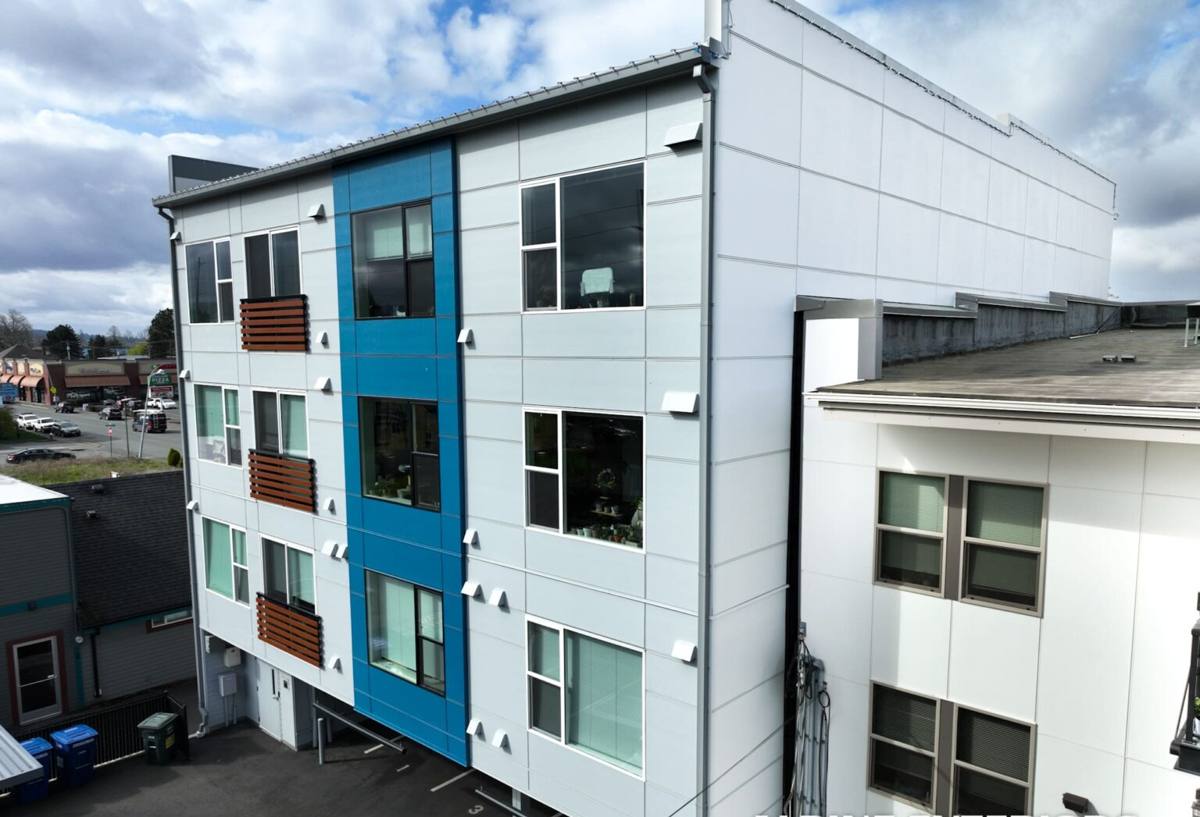
Why Forest Park Siding Damage Follows a Pattern
Every neighborhood has its own siding failure signature, and Forest Park's comes down to shade, moisture, and salt exposure working together.
Tree Cover Slows Drying
Wooded lots and mature landscaping are part of what makes Forest Park a nice place to live, but they also mean siding on shaded walls stays damp longer after rain than siding in full sun. Wood-based products and some fiber cement installations that haven't been maintained properly hold that moisture, which is exactly the environment moss and mildew need to take hold.
Driving Rain Finds Gaps
Everett's winter storms don't just fall straight down — wind off the Sound pushes rain sideways into wall assemblies. Any place where caulk has failed, flashing was installed short, or a panel seam has opened up becomes an entry point. Once water gets behind the siding, the damage almost always shows up somewhere other than where the water actually got in.
Salt Air Accelerates Everything
Proximity to Puget Sound means a low but steady load of salt in the air, which speeds up corrosion on exposed fasteners and trim and breaks down some finishes faster than they'd wear inland. It's a slow effect, but over a decade or two it adds up, especially on siding that wasn't installed or coated with that exposure in mind.
Signs Your Siding Needs Repair — Not Just a Wash
Pressure washing and a fresh coat of paint can make tired siding look better for a season, but some problems underneath don't go away with cleaning. Homeowners in Forest Park should watch for:
- Soft or spongy spots when you press on the siding, especially near the bottom courses or under windows
- Persistent moss or dark streaking that comes back within weeks of cleaning
- Visible gaps, buckling, or warping where panels or boards meet
- Peeling or bubbling paint that keeps recurring in the same spots
- Stains on interior walls or ceilings near exterior corners
- Fastener heads that are rusting, popping out, or leaving streaks down the siding
- Caulk that has cracked, shrunk, or pulled away from trim and window edges
Any one of these can be a cosmetic issue. Two or three together, especially combined with soft spots, usually mean moisture has been getting behind the siding for a while.
What a Correct Siding Repair Actually Involves
A repair that just replaces the damaged board and calls it done is a temporary fix. A repair that lasts starts with figuring out why that spot failed in the first place.
Finding the Real Moisture Source
Before any siding comes off, the goal is to trace the water back to its entry point — a failed piece of flashing, a caulk joint that opened up, a butt seam that wasn't sealed, or grading that's pushing water toward the foundation and splashing up onto lower courses. Replacing siding without fixing the entry point means the same repair gets to happen again in a few years.
Checking What's Behind the Siding
Once panels are removed, the house wrap, sheathing, and framing underneath need a real look. Soft or discolored sheathing gets replaced, not covered up. This is also the point where any existing water damage that hasn't shown up on the surface yet tends to get caught.
Matching Material and Reveal
Siding repairs that use a slightly different plank width, exposure, or texture than the surrounding wall are noticeable, even after painting. Matching the existing reveal and profile — or, where the whole wall needs it, re-siding the full elevation instead of patching — keeps the repair from looking like a repair.
Flashing and Water Management First
Every seam, window, door, and penetration in the repaired area gets proper flashing and sealant before the new siding goes on. This is the step that actually determines whether the repair holds up through the next several winters of Everett rain, not the siding material itself.
Finish That Matches
Field-painted repairs on factory-finished siding are a common source of visible patch lines and premature fading in the repaired section. Wherever possible, we match manufacturer finish systems so the repair weathers at the same rate as the rest of the wall.
Repair vs. Replacement: How We Decide
Not every problem needs a full re-side, and not every problem should be treated as a quick patch. Here's how we generally think about it:
| Situation | Typical Approach | Why |
|---|---|---|
| Isolated damage (impact, one bad seam, single rotted board) | Spot repair | Source of moisture is contained and easy to correct; surrounding siding is sound |
| Damage repeats in the same area after prior repairs | Investigate wall assembly, not just siding | Points to an ongoing flashing, grading, or ventilation issue, not a siding defect |
| Multiple walls showing soft spots or moss regrowth | Section or full re-side | Underlying moisture exposure is systemic, not isolated; patchwork won't hold |
| Siding is an obsolete or discontinued product | Full re-side of the affected elevation | No reliable match available; blending old and new products rarely looks right or performs consistently |
| Home is 20+ years old with original siding | Repair now, plan for replacement | Extends usable life while budgeting for a full system that will outlast further patchwork |
Why We Repair and Rebuild with James Hardie Fiber Cement
We only install James Hardie fiber cement siding, and that includes repair work. It's worth explaining why, because it directly affects how a repair holds up in a climate like Everett's.
Fiber cement doesn't absorb water the way wood-based products do, which matters directly for the moss and shade issues common in Forest Park's more wooded lots. It's also non-combustible, which is a real consideration as wildfire smoke and dry-season risk have become a bigger part of Pacific Northwest summers even in a generally wet region like Snohomish County. James Hardie's ColorPlus factory finish is baked on and warranted separately from the substrate, which is exactly the finish-matching problem repairs run into with field-painted materials — a factory finish holds its color and sheen more consistently than site-applied paint, especially on a shaded, salt-exposed wall.
James Hardie also builds region-specific HZ product lines engineered for different climate zones, which lets us specify a version suited to marine, high-moisture exposure rather than a generic all-climate product. Combined with a strong transferable warranty, that's a meaningfully different proposition than patching failing vinyl, LP SmartSide, or untreated wood siding with more of the same material and hoping the next repair holds. When we're called in to fix damage on those products, we'll do an honest, targeted repair if that's genuinely the right scope — but we won't pretend a patch fixes a product-level moisture problem, and we'll always tell you plainly when the more durable long-term answer is bringing that wall up to Hardie.
Our Process for a Forest Park Siding Repair
- On-site inspection: We walk the affected walls, check soft spots, and look at flashing, caulk lines, and drainage before touching any siding.
- Diagnosis: We identify the actual moisture entry point, not just the visible damage, and check sheathing condition where panels come off.
- Written scope and estimate: You get a clear explanation of what's damaged, what's causing it, and whether a spot repair or larger scope is the honest recommendation.
- Repair or re-side: Damaged material and any compromised sheathing are replaced, flashing and sealant are corrected, and new siding is matched to existing reveal and profile wherever full replacement isn't the scope.
- Finish and cleanup: Trim, caulking, and finish are completed to blend with the surrounding wall, and the site is cleaned up before we call the job done.
Why Local Experience in Forest Park Matters
A crew that already works in Forest Park and similar Everett neighborhoods has seen how tree-shaded lots, bluff-side wind exposure, and this area's moss cycle actually play out on real walls, not just in general climate data. That familiarity shortens the diagnosis step — knowing which wall orientations in this part of Everett tend to hold moisture longest, or which repair shortcuts fail fastest in this climate, means less guesswork and a repair that's built for the conditions your specific home faces. It also means straightforward answers on permitting and code requirements that apply within Everett and Snohomish County, rather than assumptions carried over from a different region's weather and building rules.
If you're seeing soft spots, recurring moss, or damage that keeps coming back in the same place, it's worth getting a second, honest look before spending money on another round of patchwork. We're happy to come out, take a straightforward look at what's going on, and give you a free, no-pressure estimate along with our honest read on whether a repair or a larger fix is the right call.