 Everett
 Building Decks for Forest Park Homes
Forest Park sits close to the water and close to the trees, which is exactly what makes it one of the more demanding parts of Everett to build a deck in. Between the tree canopy along the park itself and the marine air rolling in off Puget Sound, a deck here works harder than a deck in a drier, more open part of Snohomish County. We've built and repaired decks throughout this neighborhood long enough to know which details matter and which ones are just extra cost with no payoff.
This page is about one job — deck building — in one area. If you're comparing bids for a new deck, a full tear-out and rebuild, or you're just trying to understand why your current deck is struggling, this is written for that conversation.
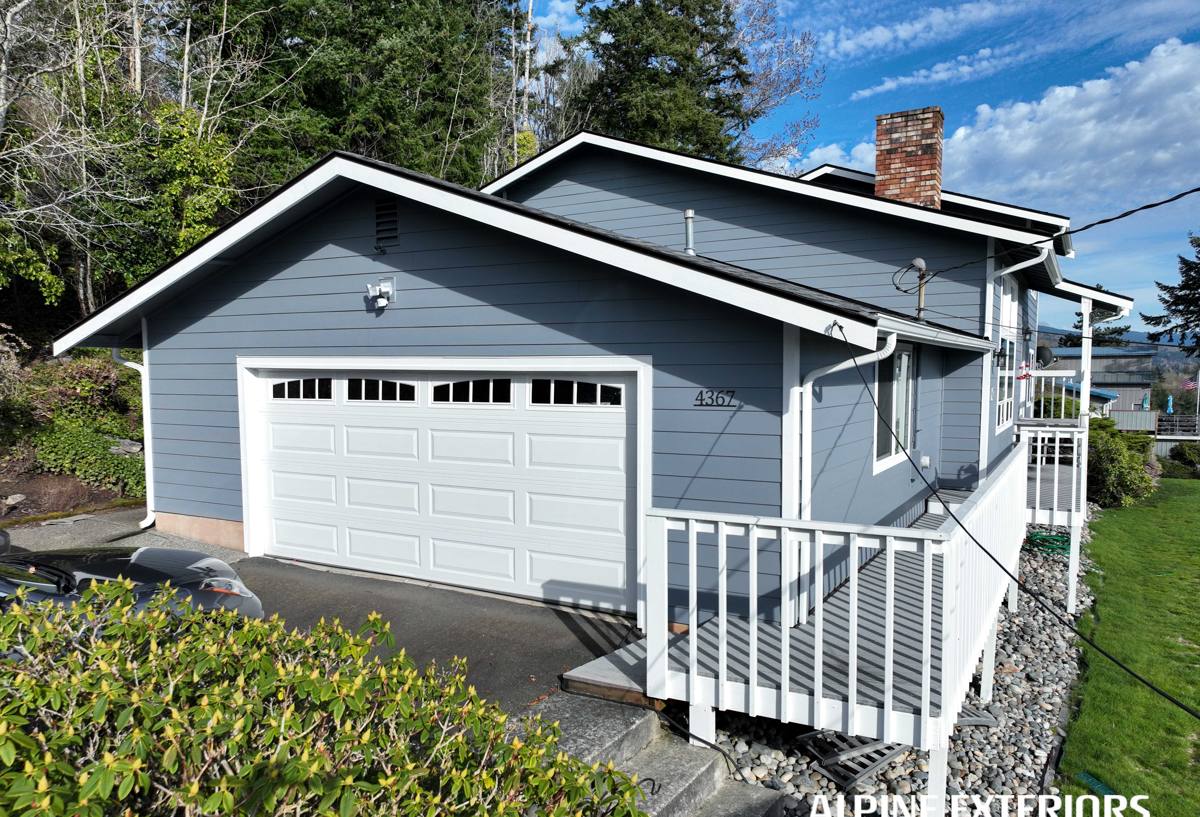
Why Forest Park's Climate Is Tough on Decks
Everett's weather isn't unusual for Western Washington, but Forest Park's mix of mature tree cover and proximity to the Sound creates a few specific problems that show up on decks faster than on decks in sunnier, more open yards.
Salt Air and Fasteners
Homes closer to the water pick up a fine layer of salt in the air over time. That salt accelerates corrosion on anything metal — screws, joist hangers, bolts, and railing hardware. A fastener rated for general outdoor use can start showing rust bleed within a couple of seasons in this environment, which stains the decking and eventually weakens the connection it's supposed to hold.
Driving Rain and Standing Water
Rain here doesn't just fall straight down — wind off the Sound pushes it sideways into ledger boards, stair stringers, and any spot where two pieces of wood meet. Water that gets driven into a joint and can't drain or dry out is the single biggest cause of rot we see in older decks in this area.
Shade, Moss, and a Long Wet Season
Tree cover near the park keeps parts of many Forest Park yards shaded well into the afternoon. Combined with our long stretch of wet months, that shade means deck surfaces stay damp longer than they would in full sun. Damp wood or damp composite surfaces are exactly what moss and algae need to take hold, and once moss establishes itself on a walking surface it's also a slip hazard, not just a cosmetic problem.
What a Correctly Built Deck Needs Here
A deck built for Forest Park's conditions isn't dramatically different in appearance from a deck built anywhere else — the differences are underneath and in the details, which is exactly why they're easy for an out-of-area crew to miss.
- Corrosion-resistant fasteners and structural hardware rated for coastal or high-moisture exposure, not just standard exterior-grade
- Proper flashing at the ledger board where the deck attaches to the house, so driven rain can't get behind the siding
- Consistent gapping between boards for airflow and drainage, especially in shaded sections
- Footings and post bases set to shed water rather than trap it against the wood
- A decking material choice that matches how much sun (or shade) that specific section of yard actually gets
- Railing hardware that won't streak or corrode against lighter-colored decking
Decking Material Options for This Neighborhood
There's no single "best" decking material — the right choice depends on how much shade your yard gets, how close you are to the water, and how much upkeep you actually want to do. Here's how the common options compare for Forest Park conditions specifically.
| Material | Moss/Algae Resistance | Maintenance | Best Fit |
|---|---|---|---|
| Pressure-treated wood | Low in shade — needs regular cleaning | Annual cleaning and re-sealing | Budget-conscious, sunnier lots |
| Cedar | Moderate — natural oils help some | Periodic sealing to hold color and resist moisture | Homeowners who want a natural look and will maintain it |
| Capped composite | High — sheds moisture, doesn't feed mold | Occasional washing, no sealing | Shaded yards, lower long-term upkeep |
| Uncapped composite (older style) | Lower — porous surface can hold moisture | More frequent cleaning than capped | Not our first recommendation in shaded, damp yards |
We don't push one product on every job. If your deck sits under trees near the park, we'll usually steer the conversation toward capped composite or a well-detailed cedar build, because the maintenance burden of a porous surface in constant shade is real — not because any of these materials are bad products, just because some are a better match for a specific spot than others.
New Build vs. Tear-Out and Rebuild
A lot of the calls we get in this neighborhood aren't for brand-new decks on bare yards — they're homeowners with an existing deck that's showing rot, soft spots, or hardware corrosion, trying to decide whether to repair, rebuild, or replace.
Signs It's Time for a Rebuild, Not a Patch
- Soft or spongy spots in the decking, especially near the house or in shaded corners
- Rust staining streaking down from screws or bolts
- Ledger board separation or gaps where the deck meets the siding
- Persistent moss regrowth within weeks of cleaning
- Wobble or movement in railing posts
If the framing underneath is sound, we can often replace just the decking surface and upgrade the hardware and flashing along the way. If the framing itself has been compromised by years of trapped moisture, patching the surface just hides a problem that will resurface. We'll tell you honestly which situation you're in before we quote anything.
Our Process for a Forest Park Deck Build
The steps aren't exotic, but doing each one correctly is what separates a deck that lasts from one that needs attention again in three years.
1. On-Site Assessment
We walk the yard, note sun and shade patterns through the day, check drainage around where footings will go, and look at how the deck will tie into the house.
2. Design and Material Selection
We talk through decking material, railing style, and layout based on how you'll actually use the space — and based on the shade and moisture conditions specific to that part of your lot.
3. Permitting
Most deck builds in Everett require a permit, especially anything attached to the house or above a certain height. We handle that process as part of the job rather than leaving it to you.
4. Framing and Flashing
This is where the corrosion-resistant hardware, proper ledger flashing, and drainage detailing all get done — the parts that don't show once the decking goes down but determine how the deck holds up.
5. Decking, Railing, and Finish
Surface material goes down with correct spacing for drainage and airflow, followed by railing and any stairs or trim work.
6. Final Walkthrough
We walk the finished deck with you, point out any maintenance you'll want to do seasonally, and answer questions before we consider the job done.
Maintenance That Actually Matters Here
Every deck needs some upkeep, but in a neighborhood with this much shade and moisture, a couple of habits make an outsized difference.
- Sweep leaves and debris off the deck through fall — trapped organic matter is what feeds moss and holds moisture against the surface
- Rinse or lightly scrub shaded sections a couple of times a year, even if the sunnier parts of the deck look fine
- Check railing hardware and fastener heads annually for early rust staining, especially if you're within a few miles of the water
- Keep gutters and downspouts clear near the deck so roof runoff isn't dumping extra water onto or under it
- Reseal wood decking on the schedule recommended for the product, not just when it looks dry
Why a Crew That Already Works This Area Matters
Building codes, permitting, and material behavior don't change block to block, but local conditions do. A crew that's worked other parts of Everett or Snohomish County still has to relearn how a specific pocket of shade, wind exposure, or proximity to the water behaves — and that learning curve sometimes happens on your project instead of before it. Working Forest Park regularly means we already know which yards hold moisture longer, which fastener specs actually hold up near the water, and how to detail flashing so driven rain doesn't find its way in. That's not marketing — it's just what repeat exposure to the same conditions teaches a crew over time.
Get a Free, No-Pressure Estimate
If you're planning a new deck in Forest Park, or you've got an existing deck showing signs of trouble, we're happy to come take a look and give you an honest read on what it needs. Use the form below to request a free estimate — no pressure, no obligation.