 Everett
 Window Replacement in Edmonds, Washington
Edmonds sits right on Puget Sound, and that waterfront location shapes what your windows go through every year. Homes a few blocks from the water deal with salt-laden air that most inland Snohomish County properties never see. Add in the region's long stretch of driving rain and a moss season that can run from fall through spring, and it's easy to understand why windows here age differently than windows in drier climates. We replace windows for Edmonds homeowners who are dealing with fogged glass, swollen frames, drafts, or units that simply were not installed correctly the first time.
This page covers what Edmonds homes actually need from a window replacement, what a correct installation involves, and how our process works from first look to final walkthrough.
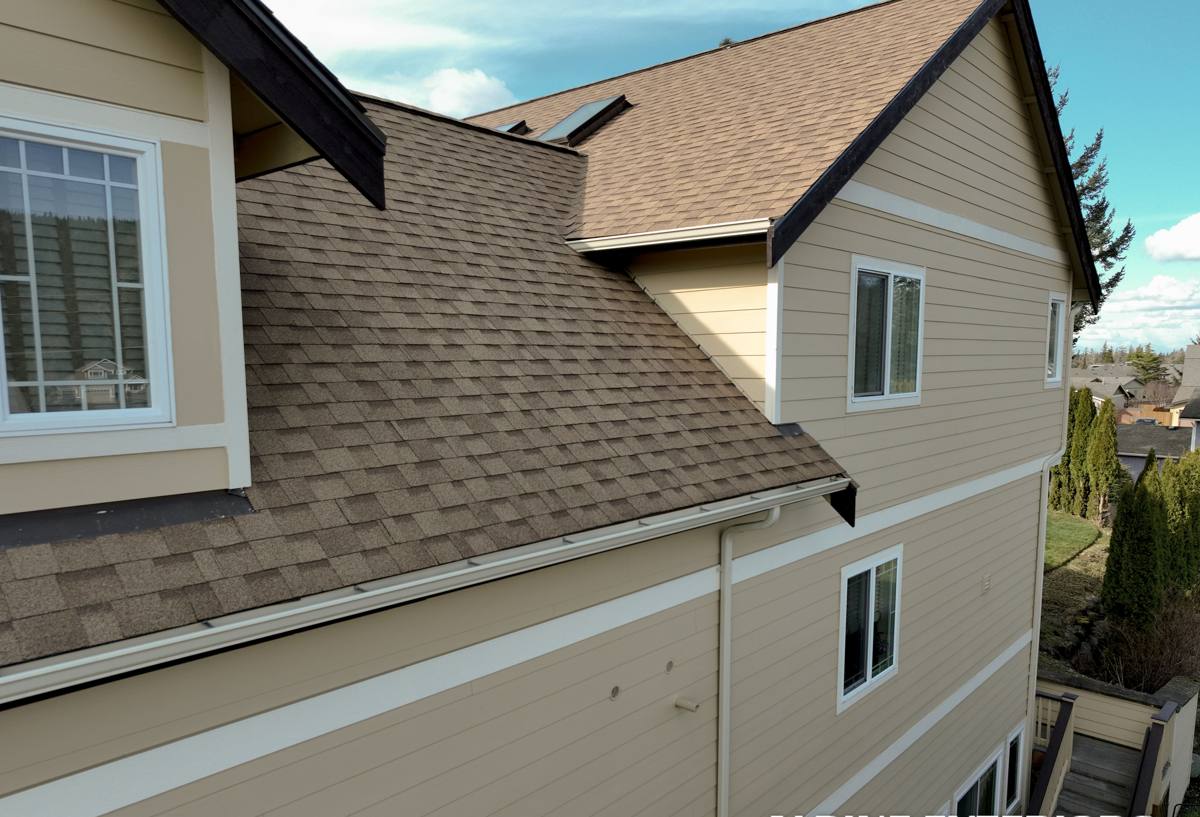
What Edmonds' Climate Does to Windows
Salt air and corrosion
Homes closer to the Sound are exposed to airborne salt that accelerates corrosion on window hardware, aluminum components, and unprotected fasteners. Over time this shows up as pitted or seized locks, discolored frames, and hardware that stops operating smoothly. It's not damage you can always see from across the room, but it adds up over a decade or two.
Driving rain and wind-driven moisture
Western Washington's rain doesn't just fall straight down — storms off the Sound push rain sideways into window walls, especially on second stories and west- or south-facing elevations. Windows and flashing details that would be fine in a calmer climate can fail here if they weren't built and installed with wind-driven rain in mind.
Moss, humidity, and slow drying
Edmonds gets long stretches of damp, low-sun weather where wood trim, sills, and shaded corners simply don't dry out quickly. That's the same environment that grows moss on roofs and siding, and it's hard on window frames too — particularly wood-clad units with failed or missing seals, where trapped moisture leads to soft spots and rot around the frame.
Signs Your Edmonds Home Needs Window Replacement
- Fog, haze, or condensation trapped between panes — a sign the seal has failed and the insulating gas has escaped
- Visible gaps, drafts, or a noticeable temperature difference near the window in winter
- Soft, discolored, or crumbling wood at the sill or frame corners
- Locks, cranks, or balances that stick, bind, or no longer hold the sash in place
- Paint or finish that keeps failing on the frame no matter how often it's touched up
- Visible corrosion or pitting on hardware, especially in homes within a mile or two of the water
- Noticeable outside noise that seems louder than it should be for the window's age
- Rising heating bills without any other obvious cause
Any one of these on its own might just mean a repair. Several at once, especially on an older window, usually means replacement is the more honest answer.
What a Correct Window Replacement Actually Involves
Window replacement done right is mostly about what happens around the window, not just the window unit itself. This is the part that gets rushed on lower-quality jobs, and it's the part that matters most in a wet, salt-exposed climate like Edmonds.
Removal without damaging the opening
The old window and any rotted or compromised framing material around it need to come out cleanly. If there's hidden water damage behind the old unit — which is common on older homes near the water — it has to be addressed before a new window goes in, not covered over.
Flashing and water management
Proper flashing directs water that gets past the siding back out, away from the framing. This is the single most important step for long-term performance in a driving-rain climate, and it's also the step that's easiest to skip when a crew is moving fast. We flash every opening so water has a way out, not a way in.
Air sealing and insulation
Gaps around the window frame need to be sealed and insulated correctly — not overpacked with expanding foam, which can bow frames, and not left with open gaps that draft and let moisture-laden air condense inside the wall.
Interior and exterior finish work
Trim, caulking, and paint or stain need to be finished properly so the whole assembly sheds water and looks right. A window installed correctly but finished carelessly will still fail early.
Choosing the Right Window for an Edmonds Home
Material choice matters more here than in a drier climate, mainly because of the combination of salt air and sustained moisture. We'll walk through the honest trade-offs of each option rather than pushing whatever is easiest to install.
| Frame Material | How It Handles Edmonds' Climate | Maintenance |
|---|---|---|
| Vinyl | Doesn't corrode from salt air, handles moisture well, good energy performance | Low — occasional cleaning, no painting |
| Fiberglass | Very stable in temperature swings and moisture, strong resistance to salt exposure | Low — durable finish, rarely needs attention |
| Aluminum | Can corrode and pit faster near the water unless well-protected; conducts cold, prone to condensation | Moderate to high — hardware and finish need monitoring |
| Wood (unclad) | Attractive but the most vulnerable to Edmonds' rain and humidity if seals or paint fail | High — regular painting/sealing and moisture checks |
| Wood-clad (vinyl or fiberglass exterior) | Good option for interior wood look with better weather resistance outside, if cladding and seals are done right | Moderate — interior wood still needs occasional care |
We don't install materials that we know will struggle against this specific climate without a clear reason and a clear conversation about the trade-offs first. If a homeowner wants a certain look or product, we'll tell you honestly what kind of upkeep it will need living this close to the Sound.
Glass and hardware worth asking about
- Dual- or triple-pane glass with a warm-edge spacer, which resists seal failure better over time than older metal spacers
- Low-E coatings suited to our mostly overcast, moderate-temperature climate rather than a hot, sunny one
- Corrosion-resistant hardware finishes, especially for homes within view of the water
- Properly sized weep holes and drainage paths so any water that does get in has somewhere to go
Our Process
- On-site assessment — we look at your current windows, check for hidden moisture or framing issues, and talk through what your home actually needs.
- Honest recommendation — we explain material and glass options in plain terms, including trade-offs, without pushing add-ons you don't need.
- Accurate measurement and ordering — windows are ordered to the actual opening, not a rough estimate.
- Careful removal — old units and any damaged material come out without tearing up more of the opening than necessary.
- Correct installation — flashing, sealing, insulation, and fastening done to hold up against wind-driven rain and salt exposure.
- Finish work — trim, caulking, and paint or stain completed so the job looks right and sheds water.
- Final walkthrough — we check operation, look, and sealing with you before we call the job done.
Why Hire a Crew That Already Works in Edmonds
A window that performs well in a dry, inland climate can underperform here if the installer isn't accounting for salt exposure and driving rain. Crews who regularly work Edmonds and the surrounding Snohomish County waterfront know which details matter most in this specific environment — flashing sequence, hardware selection, and where moisture tends to collect on local home styles. That's different from general experience installing windows somewhere inland or in a different climate entirely.
Local experience also means fewer surprises with permitting, typical home construction in the area, and realistic scheduling around our wet season, when work needs to be planned and sequenced carefully to keep openings protected.
What Affects Window Replacement Cost
| Factor | Why It Matters |
|---|---|
| Number of windows and sizes | Larger jobs typically bring a better per-window cost, but every opening still needs full attention |
| Frame material | Vinyl and fiberglass vs. wood or wood-clad carry different upfront and long-term costs |
| Condition behind the old window | Hidden rot or water damage found during removal adds repair work before the new unit goes in |
| Glass and coating options | Triple-pane, upgraded Low-E, or specialty glass add cost but can improve comfort and durability |
| Access and home height | Second-story or hard-to-access windows take more time and equipment |
| Trim and finish work | Matching existing trim or doing custom interior/exterior finish adds labor |
Broad ranges vary widely based on these factors, which is why we give real numbers after seeing your actual windows rather than a flat quote over the phone.
Get a Straight Answer About Your Windows
If your Edmonds home has windows that fog, stick, draft, or just don't look right anymore, we're happy to take a look and tell you honestly whether replacement makes sense, and what it would take to do it right for this climate. Use the form below to request a free, no-pressure estimate.