 Everett
 New-Construction Windows in Edmonds: What the Term Actually Means
New-construction windows are not the same product or the same install as a replacement window. They come with a nailing fin around the perimeter of the frame, and they're set into a bare rough opening before siding goes on — whether that's a new home going up, an addition, or a section of exterior wall that's been opened back to the studs for a remodel. The window becomes part of the wall's water-management system, not something dropped into an existing pocket. Get that sequence wrong and the mistake gets buried behind siding for years before anyone finds it.
For homeowners and builders working in Edmonds, that sequencing matters more than it does in drier parts of the country. This is a local page focused on one thing: doing new-construction window installs correctly for Edmonds conditions, and why a crew that already works this area brings something a general contractor's window sub often doesn't.
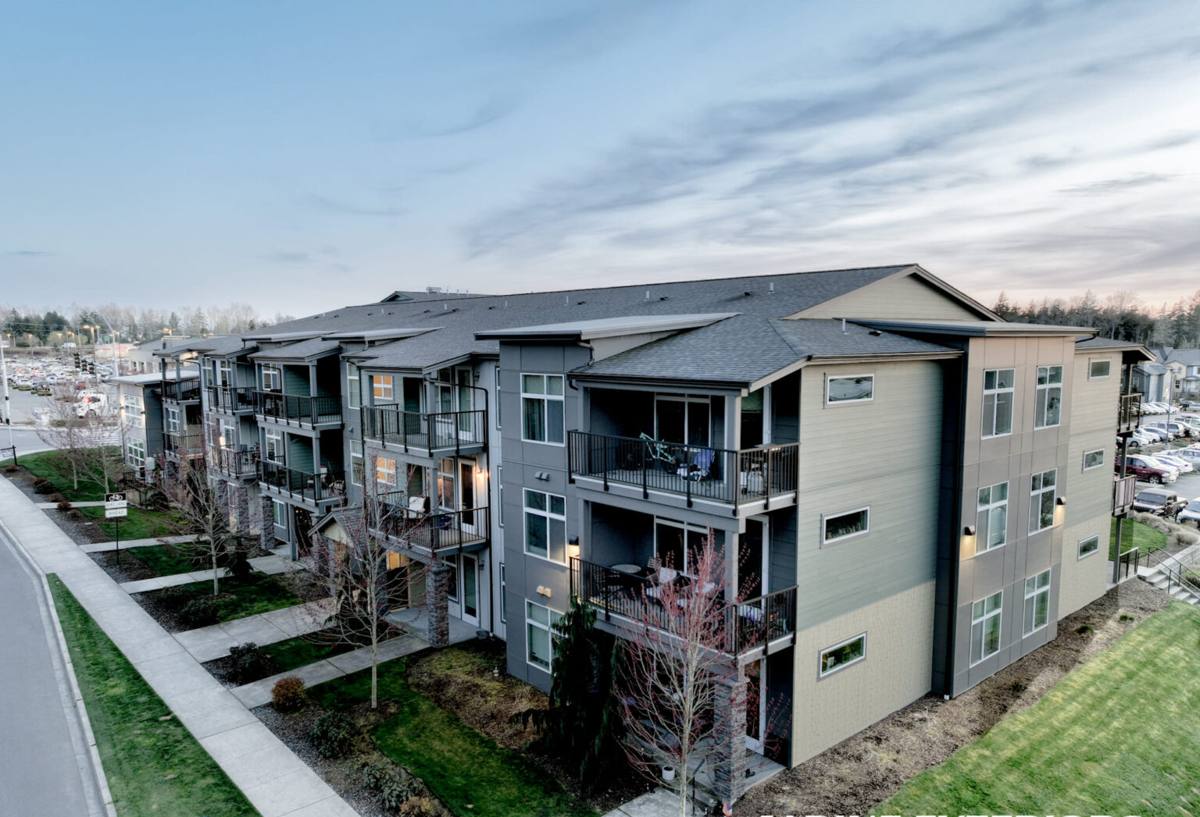
Why Edmonds' Climate Changes the Job
Edmonds sits right on Puget Sound, which means salt-laden air is a constant, low-grade factor on anything metal — fasteners, flashing tape adhesives, and hardware finishes all take more abuse here than they would inland. Combine that with Snohomish County's driving rain, which comes in sideways off the Sound during winter storms, and a long moss and mildew season that keeps north- and west-facing walls damp for months at a time, and you get a wall assembly that's under sustained pressure almost year-round.
None of that is dramatic on its own. The problem shows up over years, not weeks — a nailing fin that wasn't fully sealed, a sill pan that was skipped to save time, a housewrap lap that was taped in the wrong order. Small shortcuts don't fail during installation; they fail three, five, ten winters later, usually as rot in the framing around the window rather than as a visible leak. That's the standard we build to on every Edmonds job: not just "does it look right today," but "does this assembly shed water correctly for the next 30 years of driving rain."
What a Correct Installation Actually Involves
The Sill Pan Comes First
Before the window ever goes in, the rough opening needs a sloped or flashed sill pan so that any water that does get past the window drains back outward instead of pooling against the framing. This is the single most skipped step on rushed new-construction jobs, and it's the one that causes the most damage when it's missing — sill rot doesn't announce itself until the drywall or trim starts to feel soft.
The Flashing Sequence (Shingle-Lap Order)
Every layer around the window has to overlap the one below it, the same way roof shingles do, so gravity always carries water outward and down rather than into the wall. In order, that generally means: sill pan flashing, then the window itself set into sealant on the sill and jambs (never the head), then jamb flashing over the fin, then head flashing last, with the housewrap integrated at each stage so the drainage plane stays continuous from the roofline down to the foundation. Skipping the order — or taping the head first out of convenience — reverses the water path and defeats the whole system.
Nailing Fin vs. Block Frame
Most new-construction windows in this region use a nailing-fin frame that fastens directly to the sheathing under the housewrap. Some higher-end or masonry-adjacent builds use a block frame set into the rough opening with different flashing details. Either approach works when it's detailed correctly for the specific wall assembly — the mistake is using a generic install method regardless of which frame type is actually on the truck.
Choosing a Frame Material and Glass Package for This Climate
There's no single "best" window brand — there's a best fit for the wall, the budget, and how much upkeep the owner wants to do. Here's how the common frame options actually perform in Edmonds' wet, salty, moss-prone conditions:
| Frame Material | How It Handles Salt Air & Moisture | Maintenance | Typical Fit |
|---|---|---|---|
| Vinyl | Won't corrode or rot; performs well in coastal air | Low — occasional cleaning | Most new-construction budgets |
| Fiberglass | Very stable dimensionally, excellent moisture and salt resistance | Low | Higher-end builds, larger openings |
| Wood-clad | Good performance if cladding and seals are intact; exposed wood interior needs protection from condensation | Moderate — watch seal integrity over time | Owners wanting a wood interior look |
| Aluminum | Prone to condensation and corrosion near saltwater without thermal breaks | Higher | Rarely our first recommendation for residential coastal walls |
On glass, a dual-pane, low-E package with argon fill is the practical baseline for this climate — it manages both the marine-layer humidity and the winter heat loss without pushing the budget into triple-pane territory, which is usually overkill for Puget Sound's relatively mild temperature swings. We'll talk through the actual U-factor and condensation-resistance numbers for whatever product line fits your project rather than selling a package that doesn't match the wall.
How We Work New-Construction Jobs in Edmonds
- Rough opening check. We verify openings are square, plumb, and correctly sized before the window ever shows up on site — a bad rough opening creates problems no amount of careful flashing can fix.
- Sill pan and flashing plan. We flash to the specific wall assembly (housewrap, rainscreen, or direct-applied siding), not a one-size-fits-all method.
- Set and seal. Windows go in plumb, level, and square, shimmed correctly, sealed at the sill and jambs, with the head left to drain rather than sealed solid.
- Integrate the housewrap and flashing tape in proper shingle-lap order, tied into the surrounding wall system before siding closes it up.
- Document before cover-up. On new builds we photograph flashing details before siding goes on, so there's a record of what's behind the wall if it's ever needed.
Mistakes We See Covered Up Behind Siding
- No sill pan, or a flat sill pan with no outward slope
- Head flashing installed before jamb flashing, reversing the drainage lap
- Housewrap cut and taped around the window instead of integrated into the flashing layers
- Fasteners driven through the nailing fin at the wrong angle, creating a path for water at the fastener head
- Sealant used as a substitute for proper flashing instead of a backup to it
- Windows shimmed out of square to "make it fit" a slightly off rough opening
Every one of these is invisible once siding goes up. They're also the leading cause of the rot and mold repairs we get called out for on homes that are only a handful of years old.
Why a Crew That Already Works Edmonds Matters
Edmonds building departments, like most jurisdictions in Snohomish County, have their own inspection expectations and permitting rhythm, and knowing what a local inspector will want to see at the flashing stage — before it's covered — saves a callback and a delay. Beyond permitting, a crew that works this specific stretch of the Sound knows which walls take the worst of the wind-driven rain, which orientations grow moss fastest, and where the marine air does the most work on exposed fasteners and hardware finishes. That's not something you get from a national installer rotating through on a builder's schedule — it comes from doing this work, on these walls, in this weather, repeatedly.
We coordinate directly with builders and general contractors when we're brought in on new construction, working around framing and siding schedules rather than holding up the job, while still insisting on the flashing sequence being done right before anything gets covered.
After Move-In: What Keeps a New Install Performing
A correctly installed window still benefits from basic upkeep in this climate. Rinse salt residue and grime off frames and glass a couple of times a year, keep gutters and downspouts clear so roof water isn't dumping near window heads, and check exterior sealant joints annually for cracking or separation — sealant is a maintenance item, not a permanent fix, and catching a failed bead early is a five-minute job instead of a wall repair. If moss or algae builds up on nearby siding or trim, address it before it holds moisture directly against the window trim.
If you're building, adding on, or opening up a wall in Edmonds and need windows installed correctly the first time, we're glad to walk the site and give you a straightforward, no-pressure estimate — just fill out the form below.