 Everett
 Building Decks for West Everett's Particular Climate
West Everett sits close enough to Puget Sound that salt-laden air, wind-driven rain, and long stretches of shaded, damp weather all show up in how a deck ages. A deck built the same way you'd build one in a dry inland climate will show problems here years before it should: rusted fasteners, soft framing at the ledger, black streaking on the boards, and railings that loosen at the post base. None of that is inevitable. It's a function of whether the deck was designed and built for this specific environment or just built to a generic plan.
This page covers what we actually do differently for a deck going into the ground in West Everett, what materials make sense here, and what the build process looks like from first call to final walkthrough.
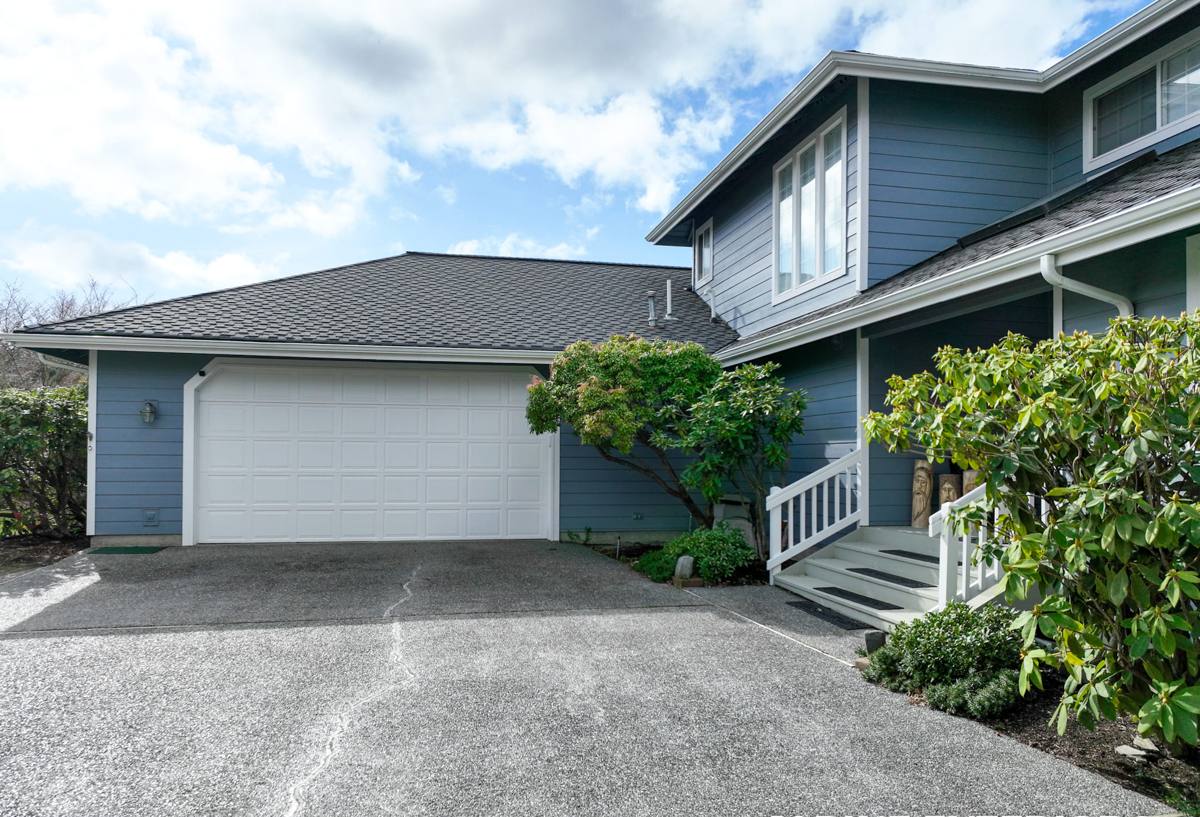
What Snohomish County's Marine Climate Does to a Deck
Salt Air and Corrosion
Proximity to the Sound means airborne salt is a real factor, even a few miles inland. Salt accelerates corrosion on anything metal — screws, joist hangers, post bases, railing brackets. Standard construction-grade fasteners that would hold up fine in a drier, inland part of the state can start rusting within a few seasons here. Once a fastener rusts, it weakens, and it can also stain the surrounding wood or composite decking with reddish-brown streaks that don't wash off.
Driving Rain
Everett doesn't just get rain — it gets sustained, wind-driven rain that finds its way into gaps a calmer climate would never test. That matters most at the two places water actually gets into a deck structure: where the ledger board attaches to the house, and wherever a fastener penetrates the top of a joist or beam. A flashing detail that's "close enough" in a dry climate is a slow leak here.
Moss, Algae, and the Shade Problem
A lot of West Everett lots carry mature tree cover, which is great for privacy and shade and terrible for a deck surface. Shaded, damp wood or composite stays wet longer after every rain, and that's exactly what moss and algae need to take hold. Beyond looking bad, a mossy deck surface gets genuinely slick — a real slip hazard on stairs and landings, and something we design around rather than just warn you about after the fact.
Choosing Materials for This Environment
There isn't one universally "right" decking material — there's a right material for your budget, your maintenance appetite, and how much sun or shade your specific lot gets. Here's how the common options actually perform in a West Everett setting.
| Material | How it holds up here | Maintenance reality |
|---|---|---|
| Pressure-treated wood | Solid structural choice for framing; as a surface it needs consistent upkeep to resist moss and checking | Annual cleaning and periodic sealing or staining |
| Cedar | Naturally more rot-resistant and handles moisture well, but still needs protection from constant damp shade | Regular cleaning; oil or seal every 1-2 years for appearance |
| Composite decking | Very good moisture and rot resistance; shaded areas still need cleaning to prevent surface algae | Occasional washing, no staining or sealing |
| PVC decking | Best moisture resistance of the common options; performs well in fully shaded, damp spots | Lowest maintenance; periodic rinse |
For a lot with heavy tree cover and limited sun exposure, we generally steer homeowners toward composite or PVC for the walking surface — not because wood is a bad product, but because a shaded West Everett deck asks a lot of a material that depends on drying out between rains. For framing, the material choice matters less than the hardware and flashing details, which we'll get to below.
What a Correctly Built Deck Involves Here
Footings Set to the Right Depth
Snohomish County has frost depth and footing requirements that determine how deep post footings need to go, and soil conditions vary from lot to lot even within the same neighborhood. We don't guess on this — footing depth and sizing get confirmed for your specific site and pulled through the permit process, not eyeballed off a rule of thumb from a different climate.
Ledger Attachment and Flashing
The ledger board — where the deck attaches to the house — is the single most common failure point on decks in wet climates, because it's the one structural connection that's directly exposed to whatever water runs down your siding. We flash it properly: correct fastener spacing and type, flashing that actually sheds water away from the house rather than trapping it against the ledger, and a gap or drainage plane so water doesn't sit against the band joist.
Fasteners and Hardware
Given the salt air, we use fasteners and structural hardware rated for coastal or marine exposure, not the minimum-grade hardware that's technically code-compliant but starts corroding within a few years here. This is a small cost difference at build time and a large difference in how the deck looks and performs a decade out.
Drainage and Under-Deck Airflow
Decks that sit low to the ground or over patios need real attention to airflow and drainage underneath — standing water and stagnant, shaded air under a deck is exactly the environment that breeds rot in framing and moss on the underside of boards. We grade and detail the space under the deck so water actually moves away instead of pooling.
Railings, Stairs, and Code Requirements
Railing height, baluster spacing, and stair geometry are all governed by Washington building code, and inspectors in Snohomish County check them closely — for good reason, since railing and stair failures are where most deck injuries actually happen. Beyond meeting code, we pay particular attention to railing post attachment, since a loose post is usually the first thing to go on an older deck exposed to this much wind and rain. Stair treads get extra attention to slip resistance, given how much moss and algae this climate produces on any shaded tread.
Our Process, Start to Finish
- Site visit and consultation. We walk your lot, look at sun and shade exposure, drainage patterns, and how the deck will connect to your house, and talk through what you actually want to use the space for.
- Design and material selection. Based on that site visit, we recommend decking and railing materials suited to your specific exposure — not a one-size-fits-all package.
- Permitting. We handle the permit application and coordinate required inspections with Snohomish County or the City of Everett as applicable, so footings, framing, and final work all pass without surprises.
- Framing and structural work. Footings, posts, beams, ledger flashing, and joists go in first, with corrosion-resistant hardware throughout.
- Decking, railings, and stairs. Surface material, railing systems, and stairs are installed to code and detailed for drainage and slip resistance.
- Final walkthrough. We go over the finished deck with you, including what maintenance it actually needs and how often, based on the material you chose and your lot's specific sun and shade conditions.
What Maintenance Actually Looks Like Here
Every deck in this climate needs some level of upkeep — the question is how much, and that depends heavily on material choice and how shaded your lot is. Here's a realistic checklist for a West Everett deck regardless of material:
- Sweep debris and standing leaves off the surface regularly, especially in fall — trapped wet leaves are where moss and rot start
- Clean the surface at least once or twice a year to remove algae and moss buildup before it gets slick
- Check railing posts and stair stringers annually for any looseness at the connection points
- Inspect the ledger flashing area where the deck meets the house for any signs of water staining or soft wood
- For wood or cedar surfaces, plan on reseal or stain cycles rather than waiting until it visibly needs it
- Keep gutters and downspouts near the deck clear so roof runoff isn't dumping extra water onto or under the structure
Why Local Experience in West Everett Matters
A deck built by a crew that's never worked this specific stretch of Snohomish County will still meet code — code is code — but code is a floor, not a guarantee of longevity. The details that determine whether your deck looks good and holds up in year eight versus needing hardware replaced or boards resealed early are the details that come from having actually built and later serviced decks in this exact climate: which fastener grades genuinely hold up against the salt air, which flashing approach keeps a ledger dry through a real Puget Sound winter, and which decking material handles a heavily shaded backyard without turning green by August.
We work in Everett and Snohomish County regularly, which means we're not learning West Everett's climate on your project — we're applying what we already know about it.
Getting Started
If you're planning a new deck or replacing an aging one in West Everett, we're happy to walk the site, talk through material options honestly, and put together a straightforward estimate — no pressure, no hard sell. Use the form below to request a free estimate and we'll get in touch to schedule a time that works for you.