 Everett
 Board & Batten Siding for Pinehurst Homes
Board and batten is one of the most requested siding profiles we install around Pinehurst, and it's easy to see why. The vertical lines read as clean and modern on newer builds, but they also sit comfortably on older farmhouse-style homes scattered through the neighborhood. It's a look that works with a lot of different architecture, which is part of why it keeps showing up on remodel wish lists.
But board and batten isn't just a style choice. How it's built determines whether it holds up to the specific weather Pinehurst deals with year-round, or whether it turns into a maintenance headache within a few winters. This page is about what board and batten siding needs to actually perform in this neighborhood, not just look good on installation day.
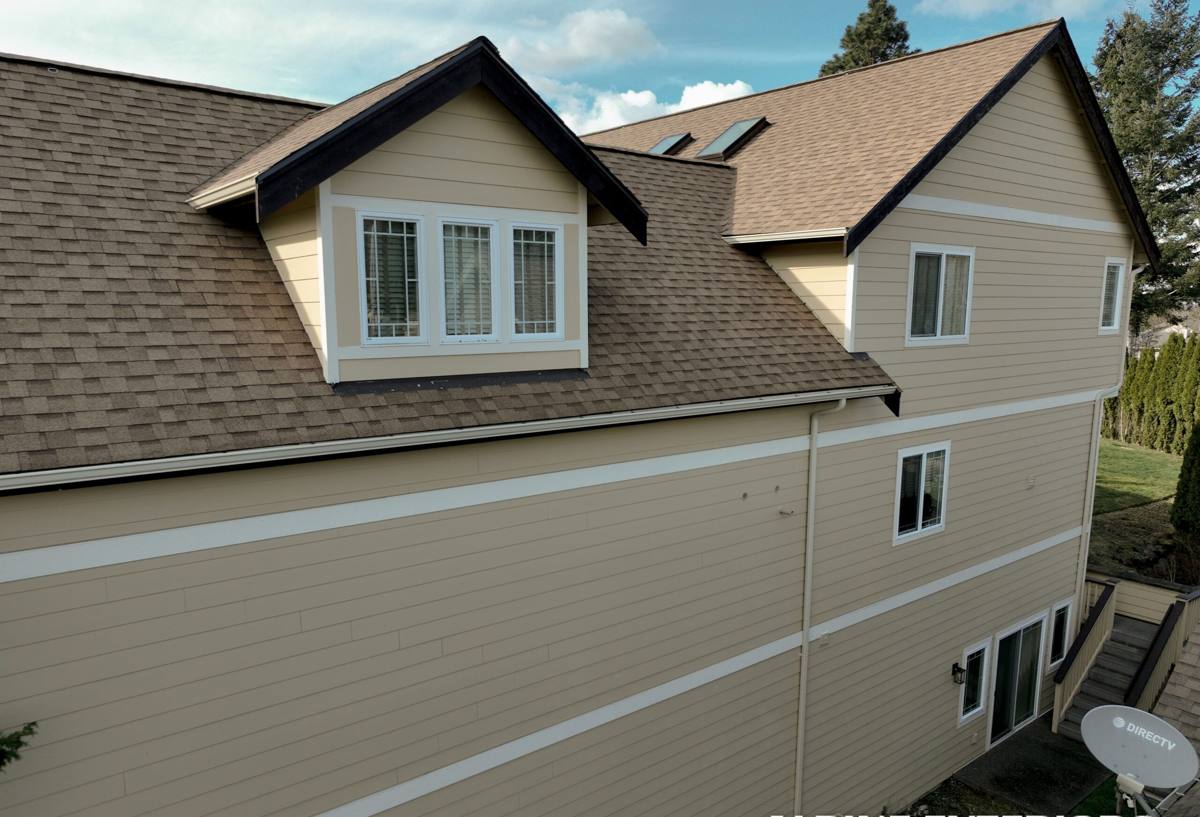
What Pinehurst's Climate Does to Vertical Siding
Pinehurst sits close enough to the water that homes here deal with salt-laden air moving in off Puget Sound, on top of the driving, wind-blown rain that's normal for Snohomish County for much of the year. Add in a moss and algae season that can stretch across most of the calendar, and you've got a combination that's genuinely tougher on exterior materials than what a lot of national siding marketing accounts for.
Vertical siding profiles like board and batten have their own relationship with that weather. Water that hits a wall doesn't just run straight down — wind pushes it sideways and even upward under the right conditions, and it wants to find the seams. Board and batten has more vertical joints and more edges than a horizontal lap siding job, so the material and the installation both need to account for that before the first piece ever goes on the wall.
Salt Air and Fastener Corrosion
Salt-influenced air accelerates corrosion on fasteners and trim hardware that aren't rated for it. Over years, that shows up as rust streaking down the face of the siding — a cosmetic problem that's entirely avoidable with the right fastener spec from the start.
Moss and Algae on Vertical Surfaces
Moss and algae need moisture and shade to establish, and the north and west-facing walls common on Pinehurst lots rarely dry out fast in winter. Vertical battens create narrow shadow lines and ledges where organic growth can get a foothold if the siding surface and finish aren't up to it.
Why Board & Batten Needs a Different Approach Than Lap Siding
Horizontal lap siding is designed to shed water downward, lap over lap, almost by definition. Board and batten relies more heavily on the batten strips, the caulking at the joints, and the drainage plane behind the siding to keep water out — there's no natural overlap doing the same job. That means a few things have to be right that a homeowner would never see from the driveway:
- A continuous water-resistive barrier behind the siding, installed and lapped correctly at every seam
- A rain screen gap (furring strips or a drainage mat) so any moisture that does get behind the panels can drain and dry instead of sitting against the sheathing
- Batten spacing and fastening that follows the manufacturer's engineering, not just "what looks even"
- Proper flashing above windows, doors, and any horizontal trim break so water is directed out and away rather than behind the wall
- Sealant used only where the manufacturer specifies — over-caulking a board and batten job can trap moisture instead of keeping it out
Skip any of those and the siding can look correct for a year or two while a problem builds behind it. That's the part of a board and batten job that actually matters, and it's where a rushed installation shows up later as rot, staining, or paint failure that seems to come out of nowhere.
The Material We Install: James Hardie Fiber Cement
We install James Hardie fiber cement exclusively — for board and batten and for every other siding profile we offer. We don't install vinyl, LP SmartSide, Cemplank, Allura, primed spruce, or cedar, and that's a deliberate standard, not an oversight. Each of those products has legitimate strengths, but none of them holds up the way we want a Pinehurst home to hold up against salt air, sustained rain exposure, and a long moss season.
For board and batten specifically, we use HardiePanel vertical siding paired with HardieTrim boards as the battens. It's a factory-engineered system built to work together — the panel, the trim, and the fastening pattern are all specified to perform as one assembly, which matters a lot on a profile where the joints are doing most of the work.
| Material | Behavior in Marine/PNW Climate | Maintenance Over Time |
|---|---|---|
| James Hardie fiber cement | Non-combustible, dimensionally stable, resists moisture-driven swelling and warping | ColorPlus factory finish holds color for years; occasional wash for moss/algae |
| Vinyl board and batten | Can warp or buckle with temperature swings; seams and battens are typically just overlapped, not sealed as a system | Low upkeep but fades over time and is difficult to repair invisibly |
| Engineered wood (LP SmartSide) | Wood-based core is more vulnerable to sustained moisture exposure at cut edges and joints if not maintained | Requires diligent caulk and paint upkeep to protect exposed edges |
| Primed cedar/spruce boards | Natural wood movement with humidity; higher risk of cupping, splitting, and moss growth in shaded, damp areas | Regular repainting and sealing needed to keep water out long-term |
None of these alternatives are bad products in every application — but for the way this neighborhood's climate stresses a vertical-seam siding profile, we've standardized on fiber cement because it's the material we trust to still look right a decade in.
What a Correct Board & Batten Installation Involves
A board and batten job can look identical from the street whether it was installed correctly or not — the difference only becomes obvious years later. Here's what we make sure is in place on every job:
- Full removal of old siding and an inspection of the sheathing underneath for hidden rot or moisture damage before anything new goes on
- A water-resistive barrier installed and lapped per code, with all penetrations properly flashed
- A rain screen gap behind the panels so the assembly can drain and dry
- HardiePanel installed with manufacturer-specified fastener type, spacing, and edge clearance
- HardieTrim battens set to consistent, engineered spacing — not just eyeballed for symmetry
- Corrosion-resistant fasteners and flashing appropriate for a salt-air environment
- Factory-cut edges sealed where field cuts expose raw material
- A final walk-through checking caulk lines, corner details, and clearances at grade and roofline
Our Process for a Pinehurst Home
We run the same disciplined process on every board and batten project, adjusted for the specifics of the house:
- On-site assessment — we look at exposure (which walls take the most wind-driven rain and salt air), existing moisture damage, and how the new siding will meet trim, windows, and rooflines.
- Tear-off and sheathing check — old siding comes off and we inspect what's underneath before covering anything back up.
- Weather barrier and rain screen installation — the drainage system goes in first, since it's the part nobody sees again once the siding is up.
- HardiePanel and HardieTrim installation — panels and battens go up to spec, with attention to fastening pattern and joint treatment.
- Detail work — flashing, caulking, and trim at windows, doors, and corners get finished and checked.
- Final inspection — we walk the whole exterior with you before calling the job done.
Why a Crew That Already Works in Pinehurst Matters
A lot of siding problems in this area trace back to a crew treating the Pacific Northwest like anywhere else. Fastener specs, flashing details, and drainage planning that are optional in a dry climate aren't optional here. A contractor who regularly works Pinehurst and the surrounding Everett neighborhoods has already seen how local exposure — proximity to the water, tree cover, shaded lot orientation — plays out on siding over several winters, and builds the job around that instead of finding out the hard way.
It also means fewer surprises during the estimate. We're not guessing at what Snohomish County's weather does to a wall assembly; we're accounting for it because we see the results of getting it wrong on other homes nearby.
Maintaining Board & Batten Siding in a Marine Climate
James Hardie's ColorPlus factory finish is baked on and warranted against fading and peeling, which takes repainting off your maintenance list for a long time compared to wood or job-site-painted siding. That said, board and batten in a climate like this still benefits from a bit of ongoing attention:
- Rinse off moss, algae, and pollen build-up periodically, especially on shaded or north-facing walls
- Keep gutters and downspouts clear so runoff isn't sheeting down the face of the siding
- Keep vegetation and sprinklers from holding moisture against the bottom courses
- Have caulk joints and trim checked every few years, since sealant is the one component that ages faster than the fiber cement itself
None of that is heavy maintenance — it's the kind of upkeep that keeps a correctly installed system performing the way it was designed to for decades.
Get a Free Estimate
If you're considering board and batten siding for a home in Pinehurst, we're happy to come take a look, talk through what your specific walls and exposure need, and give you a straightforward, no-pressure estimate. There's no obligation — just an honest read on what the job actually involves.