 Everett
 Window Replacement Built for Bayside's Marine Climate
Homes in Bayside sit close enough to the water that their windows live a harder life than windows a few miles inland. Salt-laden air corrodes hardware and finishes faster than manufacturers usually account for. Driving rain, pushed sideways by wind off the water, tests every seal and flashing detail a window has. And the long, damp moss season that Everett and the rest of Snohomish County deal with each year keeps wood trim, sills, and shaded frame surfaces wet for weeks at a stretch. None of this means Bayside homes need exotic solutions — it means they need windows chosen and installed with these specific stresses in mind, by a crew that has actually dealt with them before.
This page focuses on window replacement for Bayside specifically: what the local climate does to windows over time, what a correct installation actually involves here, and what our process looks like from first look to final walkthrough.
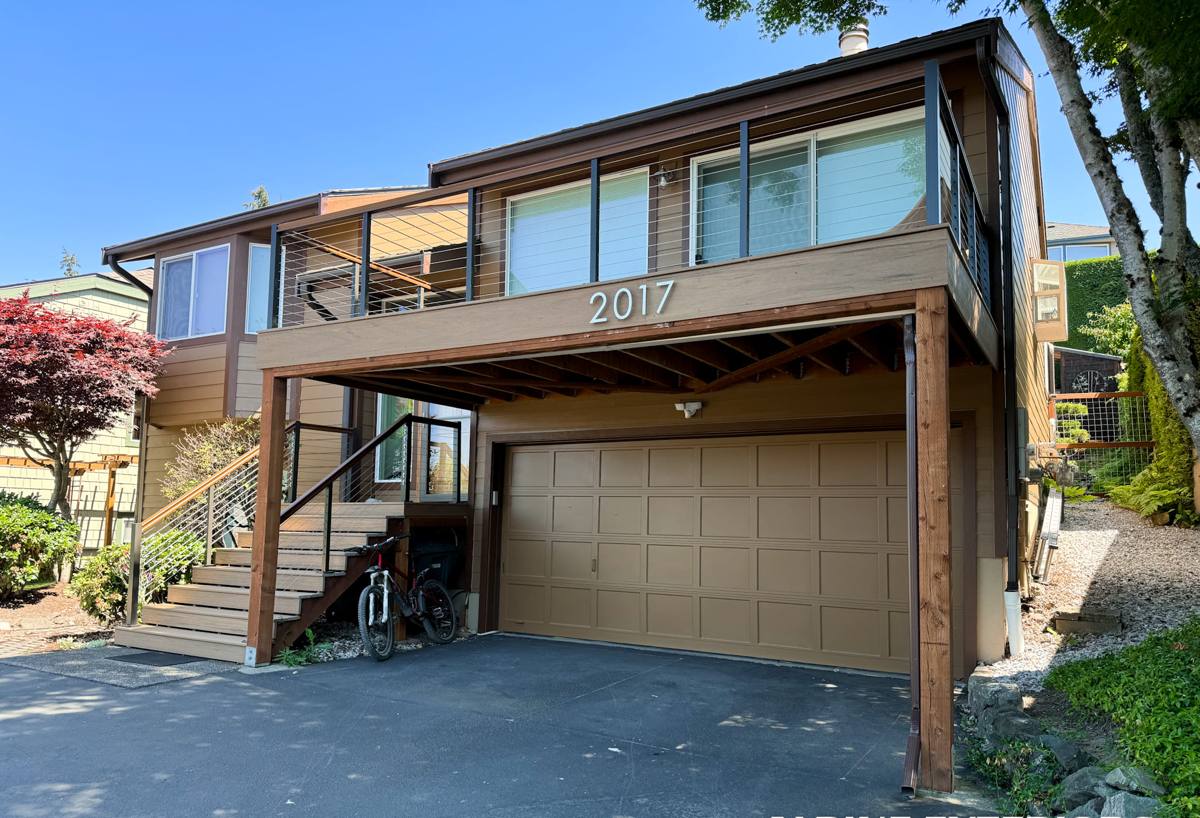
What Everett's Coastal Conditions Do to Windows Over Time
Salt Air and Metal Components
Salt air accelerates corrosion on anything metal — hinges, locks, balance springs, screen frames, and especially lower-grade aluminum components. Homeowners a few blocks from the water often see pitting or white oxidation on hardware years before an inland home would. It's not a defect in the home; it's the environment doing what it does. The fix isn't avoiding metal altogether, it's specifying corrosion-resistant hardware and finishes designed for marine or near-marine exposure, and being honest with homeowners about which products hold up and which don't.
Wind-Driven Rain and Water Intrusion
Rain that falls straight down is a much smaller problem than rain that's being pushed horizontally into a wall by wind — which is a regular occurrence for homes with water exposure. Wind-driven rain finds any gap in flashing, any short-cut in sill pan installation, and any place where sealant was used to cover a framing mistake instead of proper water management. Over years, that shows up as soft trim, stained drywall below a window, or a musty smell in a wall cavity long before anyone sees visible damage.
Moss, Mildew, and Shaded Exposures
Everett's moss season isn't just a roof problem. North-facing walls, windows tucked under eaves or deck overhangs, and anything shaded by mature trees stay damp for extended periods through fall and winter. That moisture supports moss and mildew growth on sills, trim, and exterior cladding around the window opening, which holds even more moisture against the frame and accelerates wood rot or coating failure if it's not addressed.
Signs a Bayside Home's Windows Need Attention
Because these effects build up slowly, many homeowners don't realize a window has failed until the damage has spread into the wall. Watch for:
- Hardware that's stiff, corroded, or hard to lock — especially on windows facing the water or prevailing wind
- Visible moss, algae, or black staining building up on sills or trim year after year
- Soft or spongy wood when you press on a sill or the trim below a window
- Condensation building up between panes, which usually means a failed seal on a dual-pane unit
- Drafts or noticeable temperature difference near the window on windy days
- Visible daylight or gaps around the frame where it meets the siding
- Peeling or bubbling paint on interior trim near the window, which often points to moisture working its way in from outside
Any one of these on its own might just mean routine maintenance. Several at once, especially on a window facing the water or prevailing weather, usually means it's time to talk about replacement rather than another repair.
What a Correct Window Replacement Involves in This Environment
Flashing and Water Management First
The window unit itself gets most of the attention, but the flashing and water management details around it are what actually keep a coastal home dry. A correct installation integrates sill pan flashing, properly lapped house wrap or building paper, and head flashing that sheds water outward rather than trapping it against the frame. This matters more in Bayside than it does in a sheltered inland neighborhood, because wind-driven rain will find any shortcut here that it might tolerate elsewhere.
Frame Material Choices for Salt Air and Damp Exposure
There's no single "best" frame material for every home — it depends on the window's exposure, the home's style, and the homeowner's maintenance preferences. What we won't do is install a product in a heavy salt-air or shaded, damp location where we know the maintenance burden or moisture behavior is a poor match, without being upfront about that trade-off first.
| Frame Material | How It Handles Salt Air & Moisture | Maintenance Load |
|---|---|---|
| Vinyl | Doesn't corrode; performs well in salt air; can discolor over many years in direct sun | Low — occasional cleaning |
| Fiberglass | Very stable in temperature swings and moisture; strong option for exposed, weather-heavy locations | Low |
| Wood / Wood-Clad | Warmest appearance, but the wood core is vulnerable if cladding or seals fail in a damp, shaded spot | Higher — needs monitoring and periodic upkeep |
| Aluminum | Strong and slim sightlines, but standard aluminum is prone to corrosion and condensation in salt air without upgraded coatings | Moderate to high near the water |
Glass and Glazing for Wind and Moisture
Dual-pane, properly sealed glazing is the baseline for this area. On homes with heavier wind exposure or street noise from nearby traffic, some homeowners opt for upgraded glazing packages for added comfort and sound dampening. We'll walk through what actually makes sense for the specific window and exposure rather than defaulting to the most expensive option.
Our Window Replacement Process for Bayside Homes
- On-site assessment — we look at the existing window, the surrounding trim and siding, and any signs of past water intrusion before recommending anything
- Honest scope discussion — some windows need straightforward replacement; others reveal soft framing or trim that should be addressed at the same time, and we'll tell you before work starts, not after
- Material and product selection — matched to that window's exposure, the home's style, and your maintenance preferences
- Removal and inspection — once the old window is out, we check the framing and sheathing underneath for hidden rot or past water damage
- Flashing and water management installation — sill pan, house wrap integration, and head flashing done correctly, not covered over with sealant as a shortcut
- New window installation and air/water sealing — set plumb, level, and square, with proper insulation and sealing around the frame
- Interior and exterior trim finish work — matched to the home's existing look
- Final walkthrough — we operate every window with you before we consider the job done
What Affects the Cost of Window Replacement Here
Every home is different, but the same handful of factors drive most of the variation in cost for Bayside projects:
| Factor | Why It Matters |
|---|---|
| Frame material | Vinyl, fiberglass, and wood-clad options carry different material costs and long-term maintenance needs |
| Window size and configuration | Larger units, bay windows, and custom shapes cost more to fabricate and install than standard sizes |
| Condition of the existing opening | Hidden rot or water damage found during removal adds repair work before the new window goes in |
| Exposure and accessibility | Second-story windows, water-facing walls, or hard-to-reach openings take more time and equipment |
| Glazing upgrades | Sound-dampening or higher-performance glass packages add cost but can be worthwhile for exposed or noisy locations |
| Trim and finish work | Matching existing interior and exterior trim, or upgrading it, affects labor and materials |
Rather than quoting a number without seeing the home, we walk each window in question and give you a clear, itemized estimate so you know exactly what you're paying for and why.
Why It Matters to Hire a Crew That Already Works in Bayside
A window installer who mostly works inland can do fine work on a standard installation, but coastal and near-coastal jobs reward experience with the specific problems this environment creates — knowing which hardware finishes actually hold up, how to detail flashing for wind-driven rain instead of just downward rain, and what a moss-damaged sill looks like before it becomes a structural repair. Crews who work Bayside regularly aren't guessing at these details; they've already seen what fails here and why, and they build around it.
Keeping New Windows Performing Through Moss Season
A correct installation dramatically reduces future problems, but a little seasonal attention keeps windows performing well for the long haul, especially through Snohomish County's wetter months:
- Clear moss and debris from sills and adjacent trim before it builds up going into fall
- Check that weep holes on vinyl and fiberglass frames stay clear so water can drain properly
- Wipe down hardware periodically if the window faces direct salt air exposure
- Watch for any new staining or softness at the sill each year and address it early rather than waiting
If you're noticing any of the warning signs above, or your windows simply feel like they're working harder than they should against Everett's weather, we're happy to take a look. Use the form below to request a free, no-pressure estimate for your Bayside home.