 Everett
 Windows Built for the Glenhaven Stretch of Everett
Glenhaven sits close enough to the water and the tree line that its houses take a specific kind of weathering — salt-tinged air off Puget Sound, driving rain that comes in sideways during winter fronts, and long stretches of gray, damp months where moss and algae get a foothold on anything that stays wet too long. Windows are one of the first things on a house to show that wear. Frames chalk out, seals give up, and glass that used to be tight starts sweating or fogging between the panes. If you're planning a window installation project in Glenhaven, the climate here isn't a side note — it's the main thing that should shape your material choice and how the job gets installed.
This page covers window installation specifically for Glenhaven homes: what the local weather does to windows over time, what a correct install actually involves, how our process works, and why it matters to hire a crew that already knows this pocket of Everett.
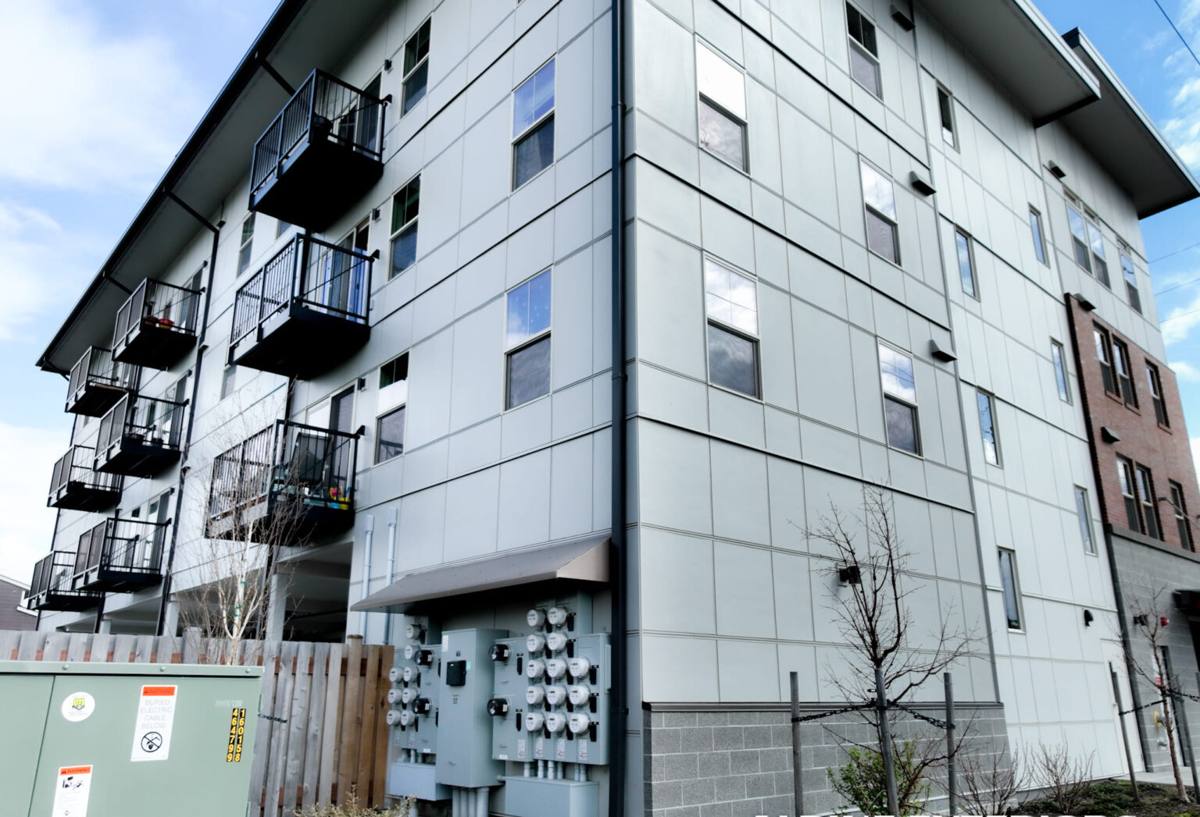
What Snohomish County's Marine Climate Does to Windows
Salt Air and Slow Corrosion
Homes closer to the Sound deal with airborne salt that settles on metal hardware — hinges, locks, and older aluminum frames in particular. Over years, that salt exposure speeds up corrosion and pitting on anything that isn't well-protected, which is part of why we steer most Glenhaven homeowners away from bare aluminum frames and toward vinyl or fiberglass with corrosion-resistant hardware.
Driving Rain and Wind-Driven Water
Everett gets rain that doesn't just fall straight down — winter storms push it sideways against west- and south-facing walls. A window that's watertight in a light drizzle can still leak under wind-driven rain if the flashing and sill pan weren't done correctly. This is the single biggest cause of window-related water damage we see in older Everett homes, and it's almost always an installation issue, not a product issue.
Moss, Algae, and Prolonged Dampness
Long gray stretches with minimal drying time between rain events let moss and algae take hold on sills, tracks, and anywhere water pools instead of draining. Wood sills and frames without good factory or field-applied protection are especially vulnerable. Once moss gets established in a sill or track, it holds moisture against the material and accelerates rot underneath — often long before it's visible from the outside.
Signs Glenhaven Homeowners Should Watch For
- Fogging or a hazy film between panes of double-pane glass — the seal has failed and the gas fill is gone
- Soft, spongy, or discolored wood at the sill or bottom corners of the frame
- Visible moss or dark green-black staining building up in the track or on the sill
- Drafts or a noticeable temperature difference near the window even when it's fully closed
- Windows that are hard to open, close, or lock — frames can swell or warp with sustained moisture exposure
- Paint or finish that's peeling or bubbling specifically around the window opening, not the wall in general
- Rising heating bills without another clear explanation
Any one of these on its own isn't necessarily an emergency, but a few together on the same window usually means it's past patching and into replacement territory.
What a Correct Window Installation Actually Involves
Given how much water this area throws at a house, the installation details matter more here than they would in a drier climate. A window that's the right product but poorly installed will still leak, fog, or rot prematurely.
The Details That Matter Most Locally
- Removing the old window carefully and inspecting the rough opening for hidden rot or water damage before anything new goes in
- Repairing or replacing any damaged sheathing or framing found during that inspection — never installing a new window over a compromised opening
- Installing a proper sloped sill pan so any water that gets past the window drains back out, not into the wall
- Layering flashing tape and building paper in the correct shingle-lap order so water is always directed downward and outward
- Setting the window level, plumb, and square, then securing it per manufacturer fastening specs — not just "close enough"
- Insulating the gap around the frame properly, without overpacking it, which can bow the frame and cause air leaks
- Sealing and caulking the exterior with a product rated for this climate, and finishing the interior trim cleanly
Skip or rush any one of these steps and the window can look fine for a season or two before problems show up — usually as a leak or soft framing discovered during an unrelated repair.
Frame Material Comparison for This Climate
| Material | How it holds up here | Maintenance | General cost position |
|---|---|---|---|
| Vinyl | Good moisture and salt-air resistance, won't rot or corrode | Low — occasional cleaning | Most affordable |
| Fiberglass | Excellent dimensional stability, holds up very well to wet cycling and temperature swings | Low | Mid to upper range |
| Wood (unclad) | Classic look but needs consistent upkeep to fend off moss and rot in this climate | High — regular painting/sealing | Varies widely |
| Wood-clad | Wood interior warmth with a protective exterior shell against rain and salt air | Moderate | Upper range |
| Aluminum | Prone to corrosion and condensation in salt-air, high-moisture settings | Moderate to high | Varies |
For most Glenhaven homes we recommend vinyl or fiberglass as the practical default — both resist the moisture and salt exposure well with low upkeep. Wood-clad is a reasonable choice for homeowners who want a specific interior look and are willing to keep up with exterior maintenance. We're honest about the trade-offs rather than pushing one product line; the right call depends on your home's exposure, budget, and how much upkeep you want to take on.
Our Process for Glenhaven Window Projects
- On-site assessment. We look at each window individually — sun and wind exposure differ from the front of a house to the back, and that affects what we recommend.
- Straightforward proposal. Material options, a realistic timeline, and what the scope does and doesn't include, in plain language.
- Opening prep and inspection. Before any new window goes in, we check the rough opening for hidden moisture or rot and address it first.
- Installation to manufacturer and building code spec. Sill pan, flashing sequence, fastening, insulation, and sealing done in the correct order — not shortcuts.
- Interior and exterior finish work. Trim, caulking, and cleanup so the job looks as good as it performs.
- Final walkthrough. We check operation, sealing, and finish with you before calling it done.
Why a Crew That Already Works Glenhaven Matters
Window installation isn't just about the product — it's about knowing how a specific area's weather and housing stock behave. A crew that regularly works this part of Everett has already seen how Glenhaven's exposure to wind-driven rain and salt air plays out on real houses over time: where moss tends to build up first, which sides of a house take the worst weather, and what kind of rot patterns show up in openings that were flashed incorrectly years ago. That local pattern recognition is hard to get from a crew that mostly works inland or in a different climate zone.
It also means fewer surprises. Snohomish County permitting and inspection requirements are consistent, but a contractor who's pulled permits and passed inspections in this area repeatedly moves through that process smoothly instead of learning it on your project.
Checklist for Vetting a Window Contractor
- Licensed, bonded, and insured — ask to see proof, not just a claim on a website
- Willing to explain the sill pan and flashing sequence they'll use, not just the window brand
- Provides a written scope of work, not just a verbal estimate
- Checks the rough opening for hidden damage before installing, and has a plan if they find any
- Offers a clear warranty on both the product and the labor, and explains what each one covers
- Has references or examples of work in the local area, not just general portfolio photos
- Doesn't pressure you to sign same-day — a legitimate estimate holds for a reasonable window
Timing a Window Project Around Everett Weather
Window installation can happen most of the year here, but scheduling around the wettest stretches of winter reduces the number of days an opening sits exposed mid-install. We plan around the forecast and work efficiently on each opening so it isn't left vulnerable overnight, but if you have flexibility, spring through early fall tends to be the smoothest window for larger multi-window projects.
Cost Factors to Expect
| Factor | Why it moves the price |
|---|---|
| Number of windows | Per-window cost typically drops somewhat as the total count on a job increases |
| Frame material | Vinyl is generally the most affordable; fiberglass and wood-clad run higher |
| Opening condition | Hidden rot or framing repair adds cost beyond a straightforward swap |
| Window size and configuration | Larger, custom, or multi-pane configurations cost more than standard sizes |
| Access and site conditions | Second-story or hard-to-reach openings take more time and equipment |
We won't quote a number without seeing the actual openings — anyone who gives you a firm price over the phone for a full window project is guessing. A proper estimate involves someone looking at each window in person.
If your Glenhaven home has windows showing any of the wear signs above, or you're just ready to stop dealing with drafts and fogged glass, we're happy to come take a look. The estimate is free, there's no pressure to commit on the spot, and you'll walk away with a clear, honest picture of what your windows actually need — you can request one using the form below.