 Everett
 West Everett's Climate Takes a Real Toll on Siding
Homes on the west side of Everett sit close to Port Gardner Bay and the open water of Puget Sound, which means siding here deals with more than the average Snohomish County rainfall. Salt-laden air moves in off the water, wind-driven rain hits west- and south-facing walls hard during fall and winter storms, and the long, damp Pacific Northwest off-season gives moss and algae months to take hold on anything that stays wet. None of this is unusual for the area — it's just the reality of exterior materials that face the water side of Everett, and it's why siding choice and installation quality matter more here than in a drier inland neighborhood.
Siding that's a poor match for this climate, or that was installed with shortcuts, tends to show problems years before it should. Replacing it correctly the first time is almost always cheaper than repairing the same failure points every couple of years.
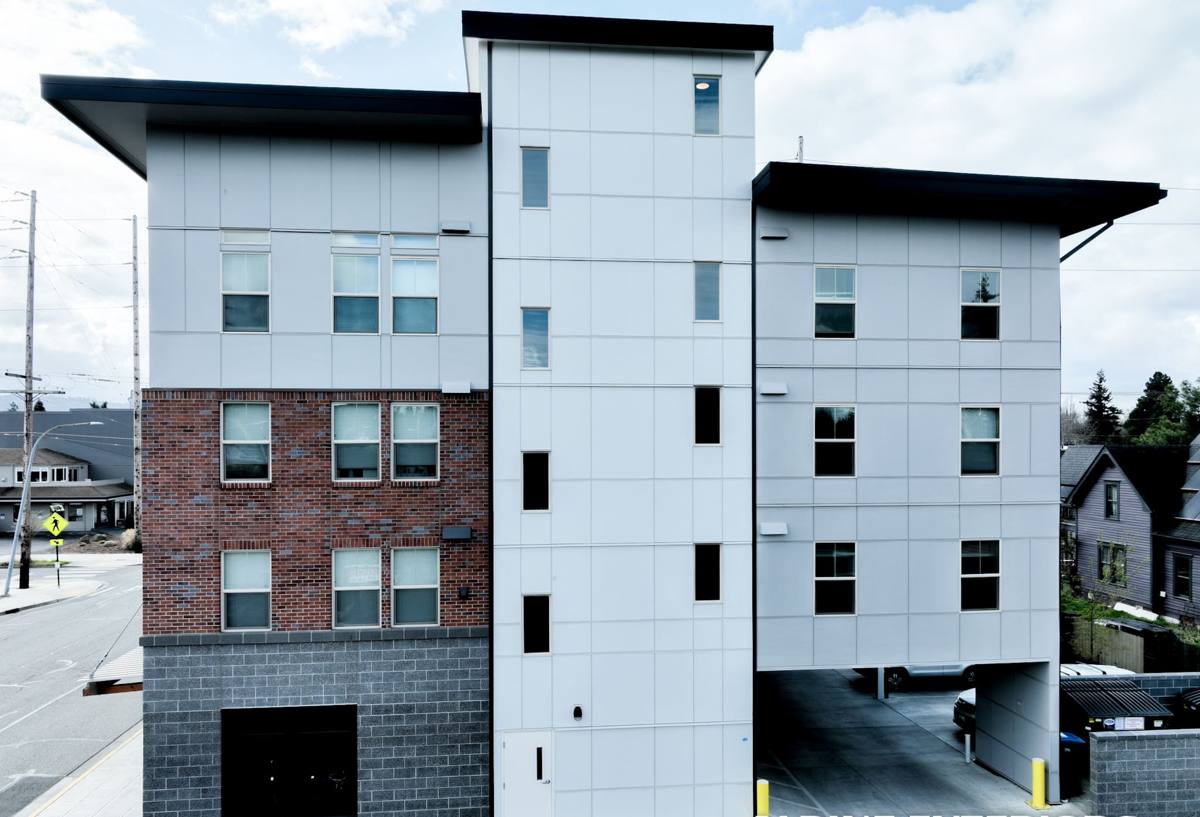
Where the Damage Shows Up First
Salt Air and Slow Corrosion
Airborne salt doesn't just affect metal fasteners and flashing — it accelerates the breakdown of paint films and lower-grade siding substrates, especially on walls that face the water and catch onshore wind. Over years, this shows up as chalky, fading paint, corroding trim fasteners, and edges that degrade faster than the rest of the wall.
Driving Rain and Wind-Driven Moisture
West Everett gets its share of horizontal rain during winter storms. Siding systems depend on lapped joints, proper flashing, and a functioning weather-resistive barrier behind the panels to keep that moisture out. When any of those details are missing or installed wrong, water finds its way behind the siding rather than running down the face of it — and that's where rot and hidden damage start.
Moss Season and Prolonged Dampness
Shaded walls, areas under tree cover, and north-facing elevations in West Everett can stay damp for weeks at a stretch during the wet season. That constant moisture is exactly what moss and algae need to establish themselves on siding, trim, and butt joints. Beyond the cosmetic issue, trapped moisture under moss growth keeps the siding surface wet longer, which shortens the life of paint and, on some materials, the substrate underneath it.
Signs You're Looking at Replacement, Not Repair
Not every siding problem calls for a full tear-off. But once damage reaches a certain point, patching becomes a short-term fix that costs more over time than doing the job right. Signs it's time to talk about replacement rather than another repair include:
- Soft, spongy, or crumbling siding when pressed, especially near the bottom courses or around windows and doors
- Paint that won't hold anymore, even after a fresh coat — usually a sign the substrate underneath is failing
- Persistent moss or algae staining that returns within a season of cleaning
- Visible gaps, warping, or buckling panels, particularly on walls exposed to wind and rain off the water
- Interior signs like peeling paint, musty smells, or soft drywall near exterior walls, which point to moisture getting past the siding
- Siding that's original to a home built decades ago and has never been fully replaced
Why We Only Install James Hardie Fiber Cement Siding
We made a deliberate decision to install James Hardie fiber cement siding exclusively, and not vinyl, LP SmartSide, or other fiber cement brands. That's not a marketing position — it's based on what holds up under the conditions West Everett homes actually face: salt air, sustained wet weather, and a long moss season.
Vinyl siding is affordable and low-maintenance in mild conditions, but it can warp or become brittle over time with temperature swings, and it doesn't offer the same fire resistance or rigidity as fiber cement. Engineered wood products like LP SmartSide perform well when properly maintained, but they're wood-based, which means their long-term performance depends heavily on keeping every cut edge and joint sealed — a maintenance burden that's harder to stay ahead of in a climate this wet. Other fiber cement brands exist, but we've standardized on James Hardie specifically because of its factory-applied ColorPlus finish, its climate-engineered HZ product lines, and a warranty structure we're comfortable standing behind on every home we side.
Fiber cement is non-combustible, doesn't swell or rot like wood-based siding, and holds paint and factory finishes far longer than vinyl in a marine-influenced climate. That combination is why it's the only product we put on West Everett homes.
What a Correct Siding Replacement Involves
Tear-Off and Sheathing Inspection
A proper replacement starts with removing the old siding entirely, not covering over it. That's the only way to inspect the sheathing underneath for rot, soft spots, or prior water damage — problems that are common on older West Everett homes where siding has been patched over the years instead of replaced. Any damaged sheathing gets repaired or replaced before new siding goes up; installing over compromised sheathing just locks the problem in.
Weather-Resistive Barrier and Flashing
Behind every Hardie installation we do, there's a continuous weather-resistive barrier and properly integrated flashing at windows, doors, and any wall penetration. This is the layer that actually keeps wind-driven rain out of the wall assembly — the siding itself is the second line of defense, not the only one. Flashing details around openings are where a huge share of long-term leaks originate if they're rushed or skipped.
Fastening and Clearances
James Hardie specifies exact fastening patterns, nail placement, and minimum clearances from grade, roofing, and decks for a reason — those details are what the manufacturer's warranty is based on, and what keeps moisture from wicking up into the bottom of the siding. Panels also need proper gaps at butt joints and trim to allow for expansion. Skipping these specs is one of the most common ways fiber cement installations fail early, and it's avoidable with a crew that installs to the manufacturer's requirements every time.
Choosing the Right Hardie Line and Finish for West Everett
Built for This Climate Zone
James Hardie engineers its HZ product lines for specific climate zones, and Western Washington falls into the wetter, moisture-prone HZ5 category. That means the product itself is formulated with this kind of weather in mind, rather than a one-size-fits-all siding board.
ColorPlus Finish and Color Selection
We install Hardie's ColorPlus factory finish rather than field-painted siding whenever possible. The factory process bakes on a finish that resists fading and holds up to UV and salt air exposure far better than most site-applied paint jobs, and it comes backed by its own finish warranty. Color choice also matters practically here — lighter, reflective tones and finishes with proven UV and moisture resistance tend to show less streaking and staining on shaded or water-facing walls over time.
Cost Factors for Siding Replacement in West Everett
Every home is different, and we don't quote pricing without seeing the actual project, but the factors below are what typically move the number up or down on a West Everett siding replacement:
| Factor | Why It Affects Cost |
|---|---|
| Extent of sheathing repair needed | Rot or water damage found during tear-off adds material and labor beyond the siding itself |
| Home size and wall complexity | More corners, gables, and trim detail mean more cutting, flashing, and labor time |
| Siding profile and accessories | Lap width, trim style, and accent details like batten or shingle-look panels vary in material and install time |
| Finish choice | Factory ColorPlus finish costs more upfront than primed siding but avoids a future field-paint job |
| Access and site conditions | Tight lots, mature landscaping, or multi-story walls affect staging and labor time |
Our Process, Start to Finish
- On-site walkthrough and inspection to assess current siding, sheathing condition, and any moisture damage
- Written estimate outlining scope, Hardie product line, color, and trim details
- Tear-off of existing siding and full inspection of the wall assembly before anything new goes up
- Repair of any damaged sheathing or framing found underneath
- Installation of weather-resistive barrier, flashing, and James Hardie siding to manufacturer specification
- Final walkthrough with the homeowner to review the completed work
Why a Crew That Already Works in West Everett Matters
Siding installation isn't just about the product — it's about understanding how a specific area's weather actually behaves against a wall. A crew that regularly works in West Everett already knows which elevations tend to take the worst of the winter storms, how much moss pressure to expect on shaded walls, and what kind of moisture damage tends to be hiding under older siding in this part of the city. That local familiarity, combined with strict adherence to James Hardie's installation requirements, is what keeps a siding job performing the way it's supposed to for decades rather than years.
We're also familiar with Snohomish County permitting and inspection expectations, which helps keep a replacement project moving without avoidable delays.
If your West Everett home's siding is showing its age — or you just want an honest opinion on whether repair or replacement makes more sense — we're happy to take a look. Fill out the form below for a free, no-pressure estimate.