 Everett
 Why Decks in South Everett Wear Out Faster Than Homeowners Expect
South Everett sits close enough to Puget Sound that salt-laden air, combined with our long wet season, puts real stress on outdoor structures. Most homeowners assume a deck failing after 12-15 years is just "old age," but in this part of Snohomish County the culprit is almost always moisture that got in somewhere it shouldn't have and never had a chance to dry out. Driving rain off the Sound, combined with months of overcast, low-evaporation weather, means wood and even some composite decks stay damp far longer here than they would in a drier inland climate.
Add to that our extended moss season — moss doesn't just grow on roofs, it takes hold on shaded deck boards, railings, and stair treads from fall through spring — and you get a surface that's both structurally compromised and genuinely slippery underfoot. A deck replacement done right in this area has to account for all three factors: salt air corroding hardware, driving rain finding its way behind ledger boards and under railing posts, and moss holding moisture against the wood surface for weeks at a time.
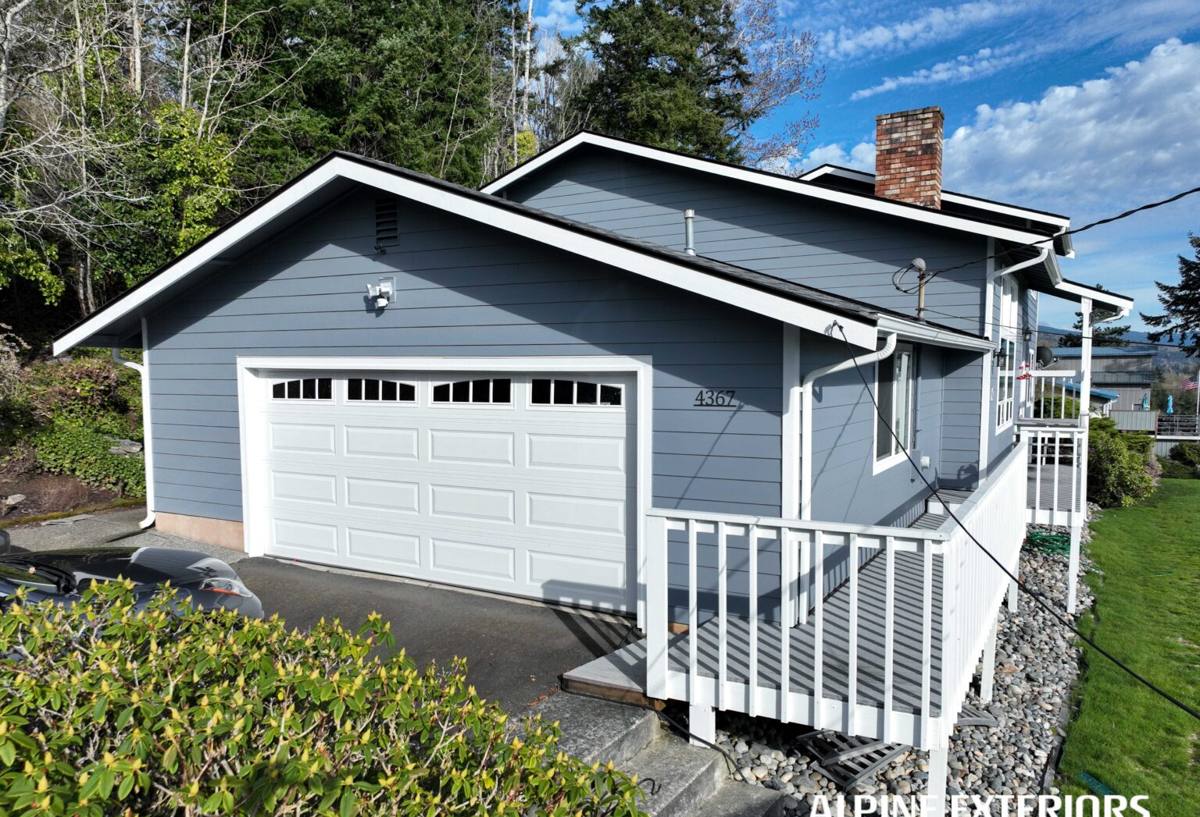
Signs Your Deck Needs Replacement, Not Just Repair
Not every tired-looking deck needs a full rebuild. But there are a handful of signs that tell us repair would just be delaying the inevitable:
- Soft, spongy decking boards, especially near the house or in shaded corners where moss holds moisture
- Rust streaks or crumbling wood around fastener heads — a sign the connection itself has been compromised
- Visible gaps or rot at the ledger board where the deck meets the house, often hidden behind trim
- Wobbly railings or posts that move when pushed, which usually points to rotted post bases below the surface
- Footings that have shifted or heaved, causing the deck frame to be out of level
- A deck older than 15-20 years built before current flashing and fastener standards were common practice
If the problems are limited to a few boards on an otherwise sound frame, repair makes sense. Once the framing, ledger connection, or footings are involved, replacement is usually the more honest recommendation — patching those issues rarely holds up through another wet season.
The Hidden Problem: What's Under the Boards
The decking surface is the part everyone notices, but the frame underneath is what actually determines whether a deck is safe. In our climate, framing lumber that isn't properly flashed and ventilated can rot from the inside while the surface still looks presentable. A responsible replacement always starts with an honest look at the substructure, not just a decision about which boards to install on top.
What a Correct Deck Replacement Involves
A deck replacement is more than swapping old boards for new ones. Done correctly, it addresses every layer of the system:
Ledger Board and Flashing
Where the deck attaches to the house is the single most common failure point in this climate. Proper flashing — installed so water sheds outward and never behind the siding or house wrap — is non-negotiable. This is also the connection most likely to have been done wrong on older decks, since older flashing details weren't built for the amount of driving rain this area sees.
Framing and Footings
Joists, beams, and posts need to be sized correctly for the deck's span and load, and footings need to sit below the frost line and bear on solid, undisturbed soil. On sloped or older South Everett lots, we sometimes find footings that were poured too shallow or on fill that has since settled — both are worth catching before new decking goes down.
Fasteners and Hardware
Salt air accelerates corrosion on standard fasteners and structural connectors faster than most homeowners realize. Using stainless steel or coated, corrosion-rated hardware throughout — not just on the visible surface — is one of the most important, least visible decisions in a deck replacement near the Sound.
Drainage and Airflow
A deck that can't shed water and dry out underneath will trap moisture regardless of what material sits on top. Correct spacing between boards, proper slope away from the house, and ventilation under low-clearance decks all matter more here than in drier regions.
Choosing Decking Material for a Wet, Salt-Air Climate
There's no single "best" decking material — each comes with real trade-offs in maintenance, moisture behavior, and upfront cost. Here's how the common options actually compare for a South Everett project:
| Material | Moisture Behavior | Maintenance | Typical Lifespan Here |
|---|---|---|---|
| Pressure-treated wood | Absorbs water; needs sealing to resist our rain and moss | Annual cleaning and re-sealing recommended | 10-15 years with upkeep |
| Cedar | Naturally moisture- and insect-resistant, but still needs sealing | Periodic cleaning and finish renewal | 15-20 years with upkeep |
| Composite decking | Doesn't absorb water like wood, but can still grow moss/mildew on the surface in shaded, damp spots | Occasional washing; no sealing or staining | 20-25+ years |
| PVC/capped polymer | Fully moisture-resistant surface and core | Lowest maintenance of the group | 25+ years |
Composite and PVC products cost more upfront but remove the recurring sealing and staining cycle that wood requires here — a real consideration when our rainy season limits how many dry days you actually have to do that maintenance. Wood remains a good, honest choice for homeowners who want that traditional look and are willing to stay on top of annual care.
A Note on Hidden Fastener Systems
Hidden fastener systems give a clean, screw-free surface, which many homeowners like. Our standard is to use them only with materials and installation methods the manufacturer specifies for wet climates — some hidden clip systems trap moisture between boards if spacing isn't set correctly, which matters more here than in drier regions. Where we're uncertain a system will perform well long-term in this climate, we say so rather than install it anyway.
Structural and Code Considerations in Snohomish County
Deck replacements involving structural changes typically require a permit and inspection, and for good reason — guardrail height, baluster spacing, stair geometry, and footing depth all have code minimums that exist to keep the deck safe under real-world loads, including our wet-season conditions when wood is at its weakest. A contractor who pulls the proper permits and builds to current code isn't adding red tape; they're building something that will actually hold up and that won't create problems if you sell the home later.
Our Process, Start to Finish
- On-site evaluation — we check the existing frame, footings, ledger connection, and any moisture or moss damage before recommending repair or full replacement
- Honest scope and material discussion — we walk through the trade-offs between wood, composite, and PVC based on your budget and how much upkeep you want to take on
- Permitting — we handle the paperwork for any structural work that requires it
- Tear-out and framing — old decking, and any compromised framing or footings, come out and get rebuilt to current standards
- Flashing, fastening, and decking installation — with corrosion-rated hardware and correct spacing for drainage
- Final walkthrough — we go over the finished deck and what maintenance, if any, it needs going forward
Protecting Your New Deck Through Our Wet Season
Whatever material you choose, a little seasonal attention goes a long way in this climate. A simple annual routine helps:
- Sweep debris and standing leaves off the deck surface before fall rains set in
- Treat visible moss growth early, especially in shaded corners and under railings
- Check that gaps between boards remain clear so water can drain instead of pooling
- Inspect the ledger board area yearly for any signs of water intrusion behind the house wall
- Re-seal wood decking on the manufacturer's recommended schedule, not just when it looks faded
Why Hiring a Crew That Already Works South Everett Matters
A deck built to a generic national spec doesn't always account for what our specific climate does to a structure over time. Crews who work regularly in South Everett and the surrounding Snohomish County area know which ledger flashing details actually hold up against driving rain off the Sound, which hardware resists our salt air, and which shaded yard conditions turn into a moss problem within a year or two. That local pattern recognition is the difference between a deck that looks good at handoff and one that's still solid a decade later.
If your deck is showing its age or you're planning a replacement, we're happy to take a look and walk you through what we find — no pressure, no obligation. Use the form below to request a free estimate for your South Everett deck replacement.