 Everett
 Windows Built for South Everett's Weather, Not Just Its Openings
South Everett sits close enough to Puget Sound that salt-laden air, wind-driven rain, and a long wet season are just part of owning a home here. Add Snohomish County's mild but relentless moss season — moisture that lingers on north-facing walls and shaded siding for months at a time — and you've got a climate that is genuinely hard on windows. Not dramatically, not all at once, but steadily: seals soften, frames swell and shrink, and moisture finds the smallest gap and stays there. A "custom window" job in this neighborhood isn't about fancy shapes. It's about fitting a window correctly to a specific opening, on a specific wall orientation, in a climate that punishes shortcuts.
When we say custom, we mean windows measured, ordered, and installed to match the actual rough opening and wall assembly of your South Everett home — not a generic size squeezed in and shimmed to fit. That distinction matters more here than in a dry climate, because a sloppy fit is exactly where water gets in.
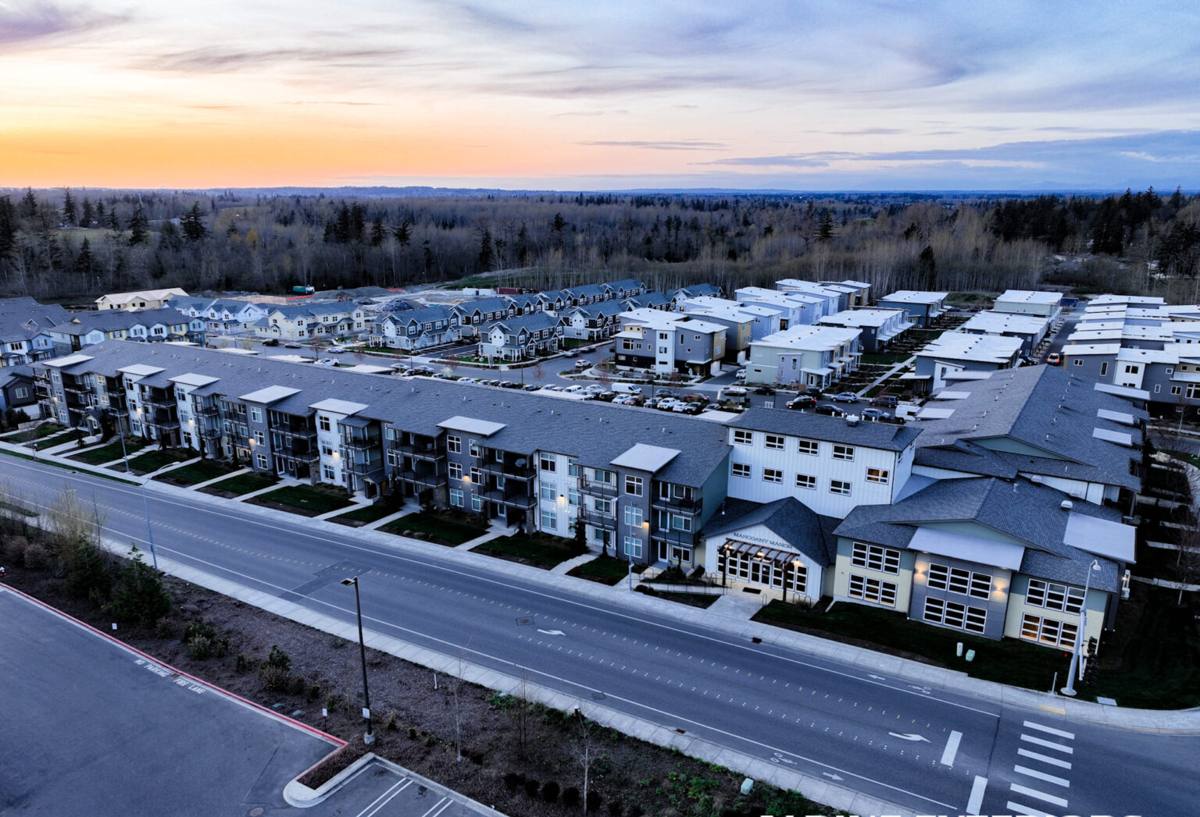
What Local Homes Are Actually Dealing With
Aging Seals and Trapped Moisture
A lot of South Everett homes have windows that are original to the house or were replaced decades ago with builder-grade units. The failure pattern we see most often isn't broken glass — it's failed seals. Double-pane units fog between the panes because the gas seal has broken down, or the perimeter caulking has cracked and is letting water track behind the trim. Once water gets behind a window frame in a marine climate, it doesn't dry out quickly. It sits, and it starts working on the framing underneath.
Wood Rot at Sills and Corners
Wood-framed and wood-clad windows that haven't been maintained show rot first at the sill and lower corners, where water collects and drains slowest. This is a slow, cumulative problem — by the time it's visible from inside, the damage underneath is usually further along than it looks.
Condensation on the Glass
Interior condensation on newer windows is usually not a window failure at all — it's a sign the glass package or ventilation isn't matched to how humid the home runs. We'll tell you honestly which one it is rather than selling a replacement you don't need.
What a Correct Custom Window Job Involves
Fitting a window right is mostly about what happens before and around the glass goes in, not the window unit itself.
- Accurate measurement of the actual rough opening, not the old window's nominal size
- Removal of the old unit without tearing out surrounding siding or trim unnecessarily
- Inspection of the framing and sill for hidden rot or moisture damage before anything new goes in
- Correct flashing sequence — water-resistive barrier, sill pan, and window flange integrated so water sheds outward and down, never inward
- Proper shimming and squaring so the sash operates smoothly and the seal isn't stressed unevenly
- Sealing and insulating the gap between frame and rough opening with the right materials — not just a bead of caulk
- Interior and exterior trim finished to match the home, with attention to paint or stain lines that will be exposed to weather
Skip the flashing and sill-pan step, and the window can look perfect for a year or two before a leak shows up — usually as a stain on the interior wall or a soft spot in the siding below.
Material and Glass Options
There's no single "best" window material — the right choice depends on the wall it's going into, sun exposure, and how much upkeep you want to take on. In a marine climate like ours, moisture behavior and maintenance load matter as much as upfront cost.
| Material | Moisture Behavior | Maintenance | Typical Fit |
|---|---|---|---|
| Vinyl | Won't rot; can expand/contract with temperature swings | Low — occasional cleaning | Most South Everett homes, budget-conscious replacements |
| Fiberglass | Very stable, minimal expansion; holds up well to sustained wet exposure | Low to moderate | Homes wanting a longer-term, lower-movement window |
| Wood / Wood-Clad | Interior wood needs protection from humidity; exterior clad protects from rain | Higher — periodic finish checks on any exposed wood | Homes prioritizing a traditional interior look |
| Aluminum | Durable but conducts cold; condensation risk without thermal breaks | Low | Less common for residential work in our climate |
On glass, we typically talk homeowners through double- versus triple-pane, low-E coatings, and gas fill. In a climate with our humidity and temperature swings, a properly rated low-E, argon-filled double-pane unit is often the practical sweet spot — triple-pane adds cost and weight that only pays off in specific situations, like a very exposed or noise-sensitive wall. We'll size the recommendation to the actual wall, not a blanket upsell.
Our Process, Start to Finish
1. On-Site Assessment
We look at the existing windows, the wall assembly, and any signs of past moisture intrusion before quoting anything. If we find rot or damage during this step, we flag it up front — it's better to know before ordering material than to discover it mid-install.
2. Measuring and Ordering
Custom units are measured to the actual opening. This takes a bit longer than pulling a stock size off a shelf, but it's what prevents gaps that need to be over-caulked to hide a bad fit.
3. Removal and Framing Check
Old windows come out carefully, and we check the framing underneath before the new unit goes in. Any soft wood or compromised sheathing gets addressed then, not covered up.
4. Flashing and Installation
This is the step that determines whether the window stays dry for the next twenty years. Sill pans, flashing tape, and the water-resistive barrier get layered correctly so water is directed out, not trapped.
5. Sealing, Trim, and Cleanup
Interior and exterior finishing, final seal check, and site cleanup. We walk the job with you before calling it done.
Cost Factors Worth Understanding
We won't quote a number without seeing the job, but these are the variables that actually move the price on a South Everett custom window project:
| Factor | Why It Matters |
|---|---|
| Window size and quantity | Larger openings and whole-house projects have different labor and material scaling than a single small replacement |
| Material choice | Vinyl, fiberglass, and wood-clad carry different unit costs and finishing labor |
| Glass package | Upgraded low-E coatings, gas fill, and impact-rated glass add cost but target specific problems |
| Existing damage | Rotted framing or sheathing found during removal adds repair time before the new window can go in |
| Access and height | Second-story or hard-to-reach openings take more time and equipment |
| Trim and siding tie-in | Matching existing trim profiles or siding cuts adds finishing labor |
Broadly, a straightforward single window replacement costs less than a full custom-sized unit with repair work involved — but the honest answer is that it depends on what we find once the old window comes out.
Living with Windows in a Moss-Prone, Salt-Air Neighborhood
Even a well-installed window needs a little seasonal attention here. This short checklist covers what actually matters:
- Rinse accumulated grime and salt residue off exterior frames a couple times a year, especially on wind-exposed walls
- Check exterior caulk lines each fall before the wet season sets in — hairline cracks are easy to catch early
- Clear moss and debris from window sills and nearby gutters so water isn't sitting against the frame
- Watch for condensation patterns that change suddenly — that's often the first sign of a failing seal
- Operate sashes a few times through the year so weatherstripping doesn't set or crack from disuse
None of this is heavy maintenance — it's the kind of five-minute check that keeps a good installation good for its full lifespan.
Why It Matters That We Already Work South Everett
A crew that works this neighborhood regularly already knows which wall orientations take the worst weather, what older South Everett homes tend to have hiding behind their trim, and how the local wet season actually behaves over a full year — not just on the day of the estimate. That familiarity shows up in small decisions: how much flashing overlap to use, which sill detail to trust, when to flag a repair instead of just covering it. It's the difference between a window that looks right at handoff and one that's still performing correctly five wet seasons from now.
Get a Straight Answer on Your Windows
If you're dealing with drafty, foggy, or hard-to-operate windows in South Everett, we're happy to take a look and give you a straightforward assessment — no pressure, no upsell script. Use the form below to request a free estimate, and we'll walk you through exactly what your home needs and why.