 Everett
 Silver Lake's Siding Conditions Are Real, Not Generic
Silver Lake is one of the established residential pockets on the south side of Everett, built up around the lake that gives the neighborhood its name, with a mix of homes spanning several decades of construction. Like the rest of Snohomish County, houses here sit under a marine climate that doesn't give siding much of a break: salt-tinged air drifting in off Puget Sound, driving rain that comes in sideways as often as it falls straight down, and a moss season that can stretch across most of the year depending on how wet the winter runs. That combination is the same pattern that shapes siding decisions across Everett generally, but it's worth naming specifically for Silver Lake because a lot of generic siding advice online is written for a climate that doesn't actually match what a house on this side of the lake lives through year after year.
We install James Hardie fiber cement siding exclusively, and on Silver Lake homes that standard isn't an abstract preference — it's a direct response to what this specific climate does to a house over time. This page walks through why Hardie is built for these conditions, what a correct installation actually involves, how our process works on a Silver Lake project, and why it matters to hire a crew that already understands this neighborhood rather than one learning the area on your job.
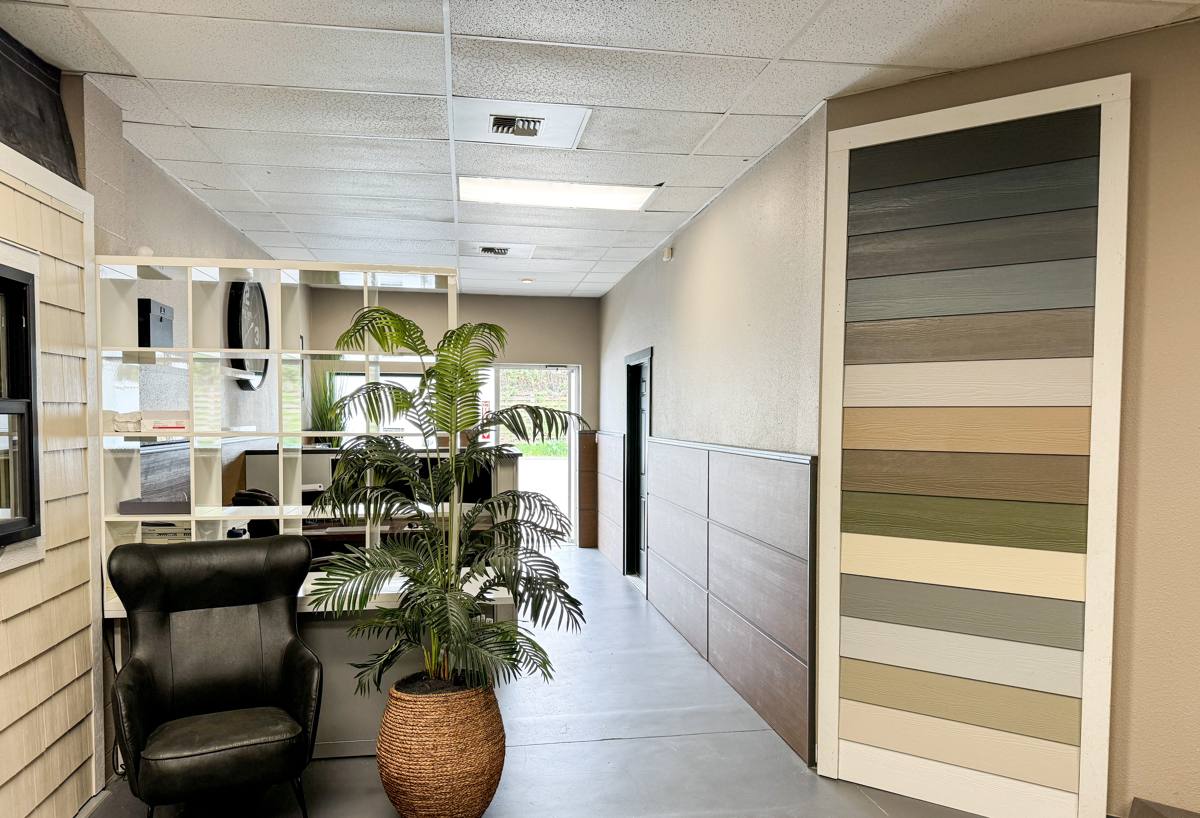
Why James Hardie Is Built for What Silver Lake Throws at a House
Fiber cement siding isn't automatically the right answer just because it's durable in general terms — it's the right answer here because James Hardie engineers its boards by climate zone, and the Pacific Northwest formulation is built around exactly the moisture cycling, freeze-thaw swings, and sustained dampness that define a Puget Sound winter. That's a meaningfully different starting point than a wood-based or vinyl product that isn't formulated with this specific weather pattern in mind.
Salt Air and Fastener Corrosion
Homes closer to the water pick up more salt-laden air moving across their exterior, and salt exposure accelerates corrosion on the wrong hardware faster than most homeowners expect. Correct fastener selection — hot-dip galvanized or stainless steel, sized and spaced to Hardie's specification — matters as much as the board itself in a marine-influenced climate. A siding job can use the right board and still fail early if the fasteners holding it on aren't rated for the air they're sitting in.
Driving Rain and the Water Management System Behind the Boards
Rain that comes in at an angle finds every gap a straight-down rain never would, which means the siding itself is only one layer of a larger water management assembly. The weather-resistive barrier underneath, the flashing at every window and roof-wall intersection, and the way each course laps over the one below it all have to work together. A house can have excellent siding material and still take on moisture if that underlying system is cut corners on.
Moss Season and Surface Durability
Moss and algae will colonize any damp, shaded surface regardless of what it's made of, so no siding material makes a wall immune to it. But fiber cement doesn't have the organic, cellulose-based substrate that wood and wood-composite products do, which means moisture sitting against the surface isn't feeding the material's own breakdown the way it can with wood-based siding. Correct clearances from grade, roofline, and planting beds still matter for keeping walls drier longer, but the board itself isn't working against you the way an organic substrate can.
What a Correct James Hardie Installation Actually Involves
The single biggest factor in how a Hardie installation performs over the next few decades isn't the product — it's whether it was installed to manufacturer specification. Hardie's warranty itself is conditioned on correct installation, which means shortcuts don't just risk premature wear, they can void the coverage the product is supposed to carry.
Manufacturer Clearances and Flashing
Hardie specifies minimum clearances from the siding to grade, to roofing, and to any horizontal surface like a patio or walkway, because those gaps are what keep splash-back and standing water away from the bottom edge of the board. Every window, door, and penetration needs integrated flashing that directs water out and away rather than trapping it behind the cladding — this is where a rushed install shows up years later as rot in the sheathing behind perfectly good-looking siding.
Fastening, Cutting, and Sealed Edges
Hardie boards have a specified nailing pattern and fastener placement, and face-nailing versus blind-nailing changes how the board is meant to move and drain. Field cuts need to be made with the right blade or shear to avoid excess dust and a ragged edge, and any cut or drilled edge should be treated so it doesn't wick moisture the way an unsealed cut end can. These are small steps that take extra time on the job and are easy to skip if a crew is moving too fast.
Why We Only Install James Hardie
We don't install vinyl, LP SmartSide, Cemplank, Allura, primed spruce, or cedar, and that's a deliberate standard rather than a matter of not offering options. Vinyl can warp and doesn't carry the same structural presence or resale expectation as fiber cement. Wood-based and engineered-wood products depend on an organic substrate that's more sensitive to sustained moisture, which is a real liability in a climate that doesn't dry out for long. Cedar is a beautiful, legitimate material but comes with a maintenance commitment — refinishing, sealing, ongoing upkeep — that most homeowners underestimate when they choose it. Other fiber cement brands are a closer comparison, but we standardized on James Hardie specifically because of how its ColorPlus factory finish, its climate-engineered HZ5 formulation for this region, and its transferable warranty work together as one designed system rather than separate parts bolted together. That's the standard we hold every Silver Lake install to.
Our Process for a Silver Lake Hardie Project
Site Walk and Moisture Check
Before any material is ordered, we walk the property and check for signs of trapped moisture behind the existing siding — soft or discolored sheathing, gaps at trim and window returns, and known trouble spots like roof-wall intersections and deck ledger connections. On a re-side, this step decides whether sheathing repair needs to be built into the scope before the new siding goes up, which is a conversation we'd rather have upfront than discover mid-project.
Installation, Day to Day
Existing siding comes off in sections rather than all at once where practical, so the house isn't left exposed to Everett weather any longer than it has to be. Housewrap and flashing go in first, then the Hardie boards go up to spec — correct clearances, correct fastening, sealed cut edges — with attention paid to keeping the site clean and the property protected as the job moves along.
Final Inspection and Cleanup
Once the siding is up, we walk the exterior with the homeowner, check that flashing, trim, and caulking joints are complete, and make sure the site is cleared of debris and old material before calling the job done.
What Drives Cost on a Silver Lake Hardie Re-Side
Every house is different, but the same handful of factors tend to move the price up or down on projects in this neighborhood:
| Factor | Why It Matters |
|---|---|
| Home size and wall area | More square footage means more material and labor hours, the most direct cost driver |
| Stories and accessibility | Two-story walls, steep grades, or tight side yards common on older Silver Lake lots add setup time and equipment needs |
| Existing siding removal and sheathing repair | Rot discovered underneath old siding has to be repaired before new material goes up, which isn't always known until tear-off starts |
| Trim complexity | Homes with more windows, gables, and architectural detail take more time to flash and trim correctly |
| Product line and texture | Lap, panel, and shingle profiles have different material and install costs; texture choice is a smaller factor within that |
| Color finish | Factory ColorPlus finish versus primed boards meant for field painting affects both material cost and the finish warranty |
Why Hiring a Crew That Already Works Silver Lake Matters
A crew that's worked this specific neighborhood knows what tends to be underneath the siding on homes of a given era, which corners of a lot hold moisture longest under mature tree cover, and how to sequence a job around Everett's realistic weather windows rather than an optimistic schedule. They also already understand the permitting expectations that apply here, which saves time compared to a contractor learning the local process on your job. None of that replaces a correct on-site assessment of your specific house, but it means fewer surprises and a crew that isn't guessing at conditions they've never worked in before.
Maintenance After Installation
A correctly installed Hardie exterior is low-maintenance, not zero-maintenance. A few simple habits go a long way toward keeping it looking and performing the way it's supposed to in this climate:
- Rinse the siding periodically with a garden hose to clear salt film, pollen, and moss spores before they take hold
- Keep gutters and downspouts clear so water isn't overflowing onto the siding below
- Trim back vegetation and tree limbs that are holding a wall in constant shade and dampness
- Check caulking and sealant joints once a year and have any gaps addressed before winter
- Avoid aggressive pressure washing directly at the siding — a soft wash or garden hose is enough and won't force water behind the boards
- Address any sign of moisture intrusion — staining, soft trim, bubbling paint at trim boards — right away rather than waiting
Getting Started
If you're weighing a Hardie re-side or a new install on a Silver Lake home, we're glad to walk the property, look at what's actually going on with your current siding and sheathing, and put together a free, no-pressure estimate based on your house rather than a generic quote.