 Everett
 Board & Batten Siding in Riverside: A Look That Has to Earn Its Keep
Board and batten has a clean, vertical-line look that a lot of Everett homeowners want, especially on farmhouse-style builds, accent gables, and porch areas where a change in texture makes the whole elevation read better. In Riverside, that look also has to survive a climate that doesn't cut corners any slack. This is a low-lying, tree-shaded, river-adjacent part of Everett, and homes here deal with a steady combination of salt-laden air off Puget Sound, wind-driven rain that gets pushed sideways into wall assemblies, and shaded, damp conditions that keep moss and algae active for most of the year. A board and batten installation that isn't detailed correctly for those conditions will look fine for a season or two and then start showing streaking, soft spots, and batten separation well before it should.
This page is specifically about board and batten siding for Riverside properties — what the style needs to hold up here, what a correct installation actually involves, and why we only install it in James Hardie fiber cement rather than vinyl, LP SmartSide, or traditional wood.
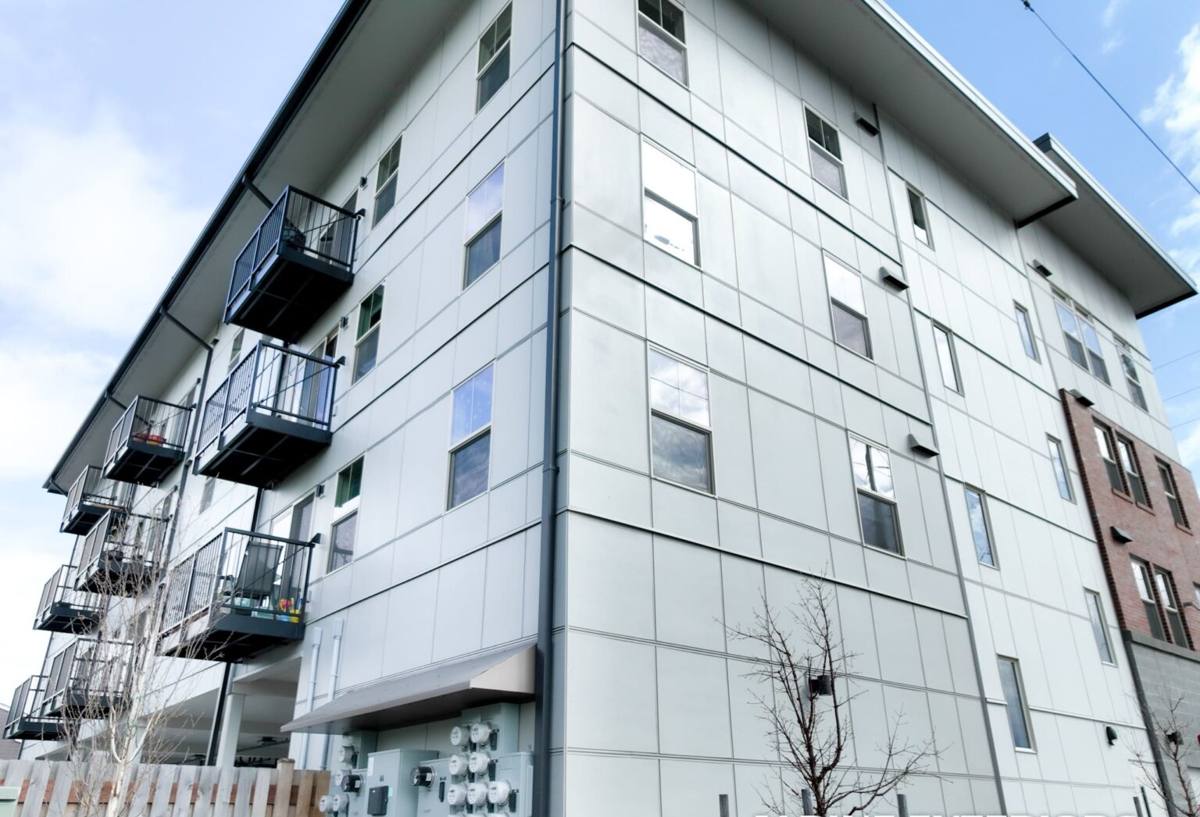
Why Board & Batten Behaves Differently Than Lap Siding in a Wet Climate
Lap siding is designed around shedding water downward, course by course, with each piece overlapping the one below it. Board and batten works on a different logic: flat panels or wide boards run vertically, and narrower battens cover the seams between them. That vertical orientation is part of the visual appeal, but it also means every seam is a potential water path running straight down the wall instead of being broken up by overlapping courses.
In a drier climate, that difference matters less. In Riverside, with near-constant marine humidity, frequent wind-driven rain, and long stretches of shade that slow drying time, it matters a lot. The seams behind the battens, the way the assembly drains, and the gap left for airflow behind the siding all determine whether a board and batten wall dries out between storms or stays damp long enough to start feeding moss, mildew, and eventually rot in the sheathing behind it.
What This Means for Everett & Snohomish County Homes Specifically
- Wind-driven rain along river-adjacent and low-lying areas pushes moisture into vertical seams more aggressively than in sheltered inland lots.
- Salt air accelerates corrosion on fasteners, flashing, and any hardware that isn't rated for coastal-adjacent exposure.
- Shade from mature trees, common throughout Riverside, keeps wall surfaces damp longer after rain, extending the window where moss and algae can establish.
- Long moss season means any assembly that traps moisture behind it is working against the clock year-round, not just in winter.
What a Correct Board & Batten Installation Actually Involves
Board and batten siding is often sold as a simple look — flat panel, batten on top, done. That version is exactly what causes problems in a climate like ours. A correct installation is a full assembly, not a decorative overlay:
- Weather-resistive barrier (WRB): A continuous, properly lapped water and air barrier behind the siding, with all penetrations and seams sealed before any panel goes up.
- Rainscreen gap: Furring strips or a drainage mat that create a ventilated air space between the WRB and the panel, so any moisture that gets past the siding can drain and the wall assembly can actually dry.
- Correct batten spacing and fastening: Battens fastened into framing (not just through sheathing), with fastener spacing and placement matched to the manufacturer's engineering, not just "close enough."
- Panel and batten joints: Vertical joints backed and sealed correctly, not just caulked over gaps and hoped for.
- Flashing at every transition: Windows, doors, roof-to-wall intersections, and the bottom termination all need dedicated flashing, since board and batten's vertical seams give water a straighter path to any weak point.
- Ground clearance: Enough clearance at the base of the wall to keep the lowest panels away from splash-back, standing water, and soil contact.
Skip any one of these steps and the wall will still look correct on install day. The problems show up 2-5 years later, usually as staining below battens, soft panel edges, or moss establishing in the seams — right where you'd expect if moisture is getting trapped instead of draining.
Why We Install James Hardie for Board & Batten — and Not the Alternatives
Board and batten is available in several materials, and we get asked about all of them. We install this style exclusively in James Hardie fiber cement, using their vertical panel products with Hardie battens, and we won't put up vinyl board and batten, LP SmartSide, or traditional wood board and batten. Here's the honest reasoning, not a sales pitch:
Vinyl Board & Batten
Vinyl board and batten is inexpensive and low-maintenance in the sense that it doesn't need painting. But it's a thin, flexible material that relies on being able to expand and contract without cracking, and in a climate with constant moisture cycling, the panel edges and batten overlaps are common spots for water intrusion that goes unnoticed because vinyl doesn't show staining the way fiber cement or wood does — the damage happens behind it. It also doesn't hold up well to impact or UV fading over the long term the way a factory-finished fiber cement panel does.
LP SmartSide
LP SmartSide is an engineered wood product, which means it's still wood at its core — treated and resin-bonded, but wood. Wood-based products are more sensitive to sustained moisture exposure than fiber cement, and Riverside's combination of shade, humidity, and long moss season is exactly the kind of environment where that sensitivity gets tested hardest. We don't consider it the right long-term fit for this area.
Traditional Cedar or Primed Wood Board & Batten
Real wood board and batten is a classic look, and there's nothing wrong with the aesthetic. But it requires an ongoing maintenance commitment — repainting or restaining on a cycle, checking for rot at joints and the base of boards, and dealing with the fact that wood is a food source for the moss and mildew that thrive in exactly the conditions Riverside sees most of the year. For homeowners who want the look without that maintenance cycle, fiber cement is the more honest long-term answer.
Why Fiber Cement Fits This Application
James Hardie's vertical siding and batten system is non-combustible, dimensionally stable across our wet-dry cycles, and comes with a factory-applied ColorPlus finish that resists fading and doesn't need to be repainted on the same cycle as raw wood. It's engineered for exactly this kind of climate through Hardie's HZ10 product line, which is built around the wetter, milder conditions common to the Pacific Northwest.
Comparing Board & Batten Material Options
| Material | Moisture Behavior in Riverside's Climate | Maintenance Cycle | Long-Term Fit Here |
|---|---|---|---|
| James Hardie Fiber Cement | Dimensionally stable, doesn't absorb and swell like wood-based products | Factory ColorPlus finish, no regular repainting needed | What we install |
| Vinyl Board & Batten | Water can migrate behind panels unnoticed; no visible warning signs | Low surface maintenance, but hidden moisture risk | Not installed by us |
| LP SmartSide | Engineered wood core, more moisture-sensitive than fiber cement | Periodic inspection and touch-up recommended by manufacturer | Not installed by us |
| Cedar / Primed Wood | Natural wood, absorbs moisture, prone to rot without upkeep | Repaint/restain on a recurring cycle | Not installed by us |
Our Process for a Riverside Board & Batten Project
- On-site assessment: We walk the specific elevations where board and batten is planned, checking shade exposure, drainage patterns, and existing moisture or rot signs on the current wall assembly.
- Tear-off and sheathing inspection: Old siding comes off and the sheathing underneath gets checked before anything new goes up — no covering over hidden damage.
- WRB and rainscreen installation: A continuous weather barrier goes on first, followed by furring strips or a drainage mat to create the ventilated gap the assembly needs to dry properly.
- Flashing at every transition: Windows, doors, roof lines, and the base of the wall get dedicated flashing before panels go up.
- Panel and batten installation: Hardie panels and battens go up to manufacturer fastening specs, into framing, with correct joint treatment at every seam.
- Final inspection and walkthrough: We check fastener lines, sealant joints, and clearances, then walk the finished job with the homeowner.
Keeping Board & Batten Looking Right in Riverside
Even a correctly installed board and batten wall benefits from basic homeowner upkeep. This isn't a heavy maintenance list — fiber cement is chosen specifically to keep it short — but a few habits go a long way in this climate:
- Rinse siding once or twice a year to keep organic growth from establishing in shaded areas, especially anything under mature trees.
- Keep gutters clear so overflow doesn't run down wall surfaces and saturate battens repeatedly.
- Trim back vegetation that shades wall sections for most of the day — airflow and sun exposure are the best natural defense against moss.
- Have caulked joints and sealant lines checked every few years, since sealant is the one component that does wear over time even on a correctly built assembly.
- Watch for staining directly below battens or panel joints — it's usually the first visible sign of a drainage issue, and catching it early is a small fix instead of a large one.
Why a Crew That Already Works Riverside Matters Here
Board and batten done wrong doesn't fail on install day — it fails quietly, two to five years out, after the crew is long gone. That's exactly why the installation details matter more than the material choice alone. A contractor who already works regularly in Riverside and the rest of Everett has seen how this specific mix of shade, salt air, and driving rain plays out on real walls over time, not just in a spec sheet. That's the difference between a board and batten job that's built to the manufacturer's engineering for our climate and one that just looks right in photos taken on a dry day.
If you're considering board and batten siding for a home in Riverside, we're happy to walk the property, look at your specific exposure and drainage situation, and give you a straight answer on what the job actually involves — no pressure, no inflated claims. The estimate is free, and there's a short form below to get started.