 Everett
 Port Gardner's Waterfront Exposure Is Its Own Category of Wear
Port Gardner sits above the bay it's named for, which means homes here catch weather that inland Everett neighborhoods get in a lighter dose. Wind off the water carries salt and moisture further inland than most homeowners expect, and it hits siding, trim, and fasteners on a near-daily basis for much of the year. Add Snohomish County's long wet season and the tree cover common on the bluff, and you get a combination that ages the wrong siding material fast: salt accelerates corrosion on hardware, standing moisture feeds rot in wood-based products, and shade plus damp keeps moss and algae established on north- and west-facing walls for much of the year.
None of this means Port Gardner is a hard place to keep a house looking good. It means the siding and the installation have to be matched to the exposure, not just picked for price or color. That's the lens we bring to every estimate in this neighborhood.
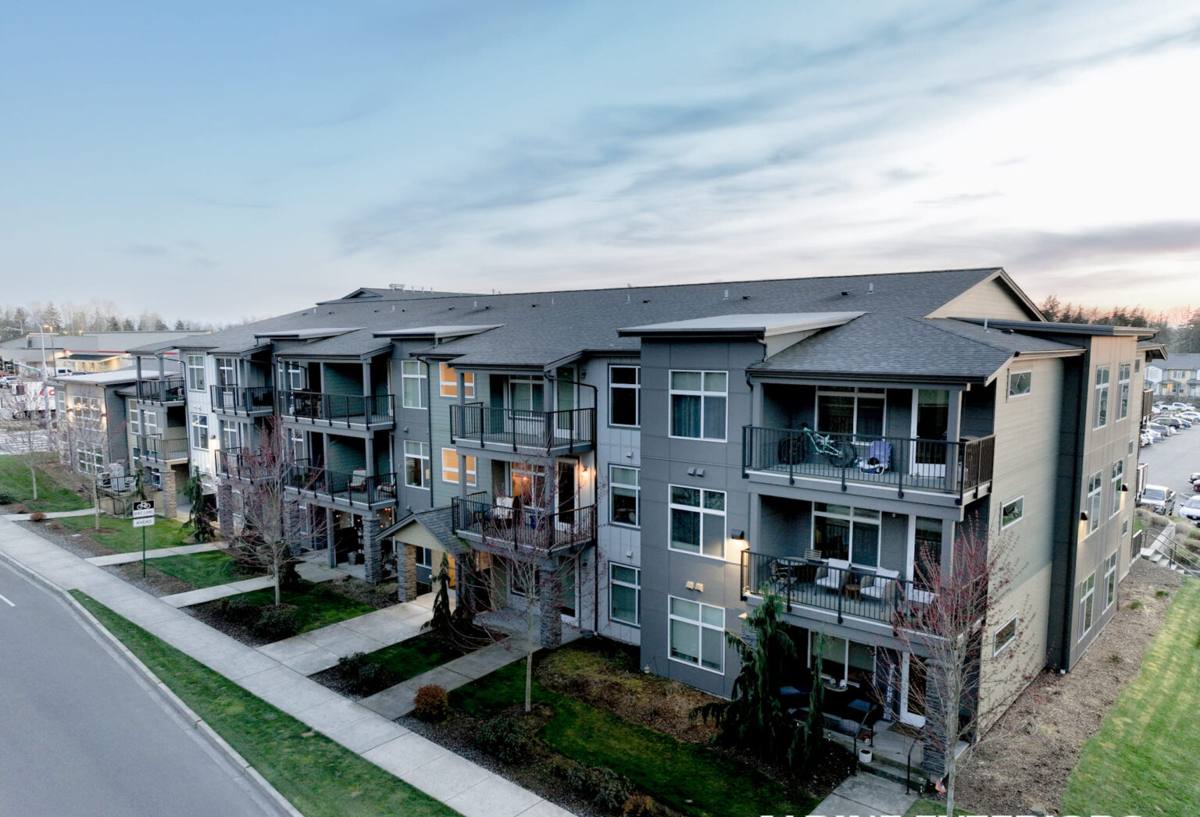
What Salt Air, Driving Rain, and Moss Season Actually Do to Siding
Salt Air
Airborne salt is corrosive to exposed metal — nail heads, flashing edges, hose bib penetrations, and any fastener that isn't properly coated or set. On siding materials that rely on a surface paint film for protection, salt-laden moisture also breaks that film down faster than it would a few miles inland, leading to earlier chalking, fading, and peeling.
Driving Rain
Wind-driven rain doesn't just fall on a wall — it pushes sideways into laps, seams, and butt joints. Any siding installation that skips a proper drainage plane, or relies on caulk instead of correctly lapped joints, will eventually let water behind the cladding. Once that happens, the sheathing and framing are at risk long before anyone notices a problem from the outside.
Moss Season
Western Washington's moss season can run from fall through spring on shaded, damp walls. Moss and algae themselves don't destroy fiber cement, but they hold moisture against the surface longer, and on materials that aren't rot-resistant, that damp micro-climate is exactly what lets decay start underneath.
Why We Install Only James Hardie on Homes Like These
We don't install LP SmartSide, vinyl, Cemplank, Allura, or primed wood siding on any home, Port Gardner included, and the reasoning is the same everywhere: those products can perform fine in the right conditions, but each carries a trade-off — engineered wood's core is still wood and vulnerable at cut edges and moisture entry points, vinyl expands and contracts with temperature swings and can crack or bow, and unfinished cement board options depend heavily on the installer's field-applied finish holding up over time. In a salt air, high-rain environment, those trade-offs tend to show up sooner rather than later.
James Hardie fiber cement is our standard because it's engineered specifically for this kind of exposure:
- It's non-combustible and doesn't have a wood core to rot, swell, or attract pests.
- Hardie's HZ5 product line is engineered for the moisture cycling common in the Pacific Northwest.
- ColorPlus factory-applied finish is baked on under controlled conditions, which holds color and resists the fading and chalking that salt air speeds up on field-painted surfaces.
- It carries a strong, transferable manufacturer warranty when installed to spec — a meaningful detail on a waterfront-adjacent property where future buyers will ask about siding condition.
Hardie isn't maintenance-free. It still needs caulking checked, painted or ColorPlus surfaces kept clean, and fasteners inspected over time. But the failure points are fewer and slower to develop, which matters on a bluff that takes more weather than most of the city.
What a Correct Installation Involves — And Where Shortcuts Show Up Later
Fiber cement performs the way it's rated to perform only when it's installed correctly. This is the part of the job that doesn't show on a finished wall but determines whether the siding lasts 10 years or 40.
The details that matter most in a driving-rain, salt-air setting
- Drainage plane and rain screen: a proper weather-resistant barrier and drainage gap behind the siding so any water that gets past the cladding has somewhere to go.
- Flashing at every penetration: windows, doors, hose bibs, vents, and roof-to-wall intersections all need correctly lapped flashing, not just caulk.
- Fastener choice and placement: corrosion-resistant fasteners, set to Hardie's specified depth and location — over-driven or under-driven nails are one of the most common causes of early siding failure.
- Clearances: proper gaps at grade, roof lines, and decks so the siding isn't sitting in standing water or trapped moisture.
- Joint treatment: butt joints and seams sealed or flashed per Hardie's specifications, not generalized caulk-and-hope.
Skip any of these and the product itself stops mattering — even the best fiber cement fails early if water gets behind it with nowhere to drain.
How Our Process Works on a Port Gardner Job
- On-site assessment: we walk the exterior, check current siding condition, look for existing moisture damage, and note exposure — which walls take the most wind-driven rain and which stay shaded and damp long enough to grow moss.
- Tear-off and sheathing check: once old siding is off, we inspect sheathing and framing for hidden rot before anything new goes up. This is often where problems from a prior installation surface.
- Weather barrier and drainage plane installation: installed to manufacturer spec, with extra attention at penetrations and wall intersections common on multi-level homes.
- Hardie installation: siding, trim, and fascia installed to Hardie's fastening and clearance specifications, not generic carpentry defaults.
- Finish and detail work: caulking, touch-up, and a final walk-through so seams, corners, and penetrations are sealed correctly.
- Final inspection: we check our own work against Hardie's installation requirements before calling the job complete, since a lapsed or voided warranty from an installation error becomes the homeowner's problem, not the manufacturer's.
Comparing Siding Materials Under Port Gardner's Conditions
| Factor | James Hardie Fiber Cement | Vinyl | Engineered Wood (LP SmartSide) |
|---|---|---|---|
| Salt air resistance | High — non-combustible core, factory finish resists chalking | Moderate — can fade and become brittle over time | Moderate — depends on maintaining the finish and sealed edges |
| Wind-driven rain tolerance | High when installed with proper drainage plane and flashing | Moderate — laps can allow water intrusion under wind pressure | Lower — wood-based core is vulnerable if water reaches cut edges or seams |
| Moss/algae exposure | Holds up structurally; surface may need occasional cleaning | Holds up structurally; surface may need occasional cleaning | Higher risk — sustained damp against a wood-based core can start decay |
| Finish longevity | ColorPlus factory finish, long fade resistance | Color molded in but can chalk and fade | Field-applied or factory primer; repainting cycle needed |
| Warranty | Strong, transferable when installed to spec | Varies by manufacturer, typically prorated | Varies by manufacturer, edge and moisture exclusions common |
This isn't a claim that other products fail on every home — plenty perform adequately in milder settings. It's why, given the specific combination of salt air, wind-driven rain, and moss exposure common on the Port Gardner bluff, we've standardized on the option with the fewest weak points for this particular climate.
Maintaining Hardie Siding in a Salt Air, High-Moisture Environment
Correctly installed Hardie siding is low-maintenance, not no-maintenance. In this environment, a homeowner should plan on:
- Rinsing salt residue and grime off exterior walls periodically, especially on sides facing open water or prevailing wind.
- Gently removing moss or algae buildup on shaded walls before it spreads, rather than letting it sit through a full wet season.
- Checking caulking at trim, window, and door joints every year or two, since caulk is usually the first line of defense to wear out.
- Watching for any paint or ColorPlus finish changes near grade level or under gutters, which can signal a drainage or splash-back issue rather than a siding defect.
Signs Your Current Siding May Already Be Struggling
- Soft or spongy spots when pressed, especially near the bottom courses or under windows.
- Persistent moss or algae that returns within weeks of cleaning.
- Visible gaps, cracking, or bowing at seams and corners.
- Peeling or bubbling paint, particularly on walls facing prevailing wind and rain.
- Rising energy bills or noticeably colder rooms along exterior walls, which can point to moisture-compromised insulation behind the siding.
- Fastener heads showing rust streaks or backing out of the surface.
Any one of these on its own isn't necessarily an emergency, but several together usually mean it's worth having someone look at what's happening behind the siding, not just on top of it.
Why Hiring a Crew That Already Works Port Gardner Matters
Siding installation is the same trade everywhere, but exposure isn't. A crew that's worked this specific bluff knows which walls take the worst of the wind and rain, understands how far salt air travels inland here, and has seen firsthand what happens when a previous installation cut corners on flashing or drainage in this exact climate. That local pattern recognition doesn't replace following Hardie's installation manual — it's what tells us where to be most careful applying it.
For Everett homeowners in Snohomish County, and especially on a waterfront-facing property like Port Gardner, that combination of manufacturer-correct installation and local exposure knowledge is what determines whether new siding is a twenty-year investment or a five-year disappointment.
If you're weighing a siding replacement or just want an honest read on what your current siding is doing, we're happy to take a look. The estimate is free, there's no pressure, and you'll get a straight answer about what your home actually needs.