 Everett
 North Everett's Roofs Work Harder Than Most
North Everett sits close enough to Possession Sound and the broader Puget Sound airshed that homes here deal with a steady mix of moisture-laden air, salt-tinged wind, and long stretches of gray, drizzly weather. Add in the tree cover common through this part of Snohomish County, and you get a roofing environment that's tougher on materials than a lot of homeowners realize. It's not dramatic weather most of the year — no hailstorms, no blistering heat — but it's relentless. A roof here isn't fighting one bad storm a season, it's fighting damp, low-angle rain and shade nine months out of the year.
That's the context we bring to every roof replacement in this neighborhood. The right roof for a home in a drier, sunnier climate isn't automatically the right roof for North Everett. Ventilation, flashing detail, and moss resistance matter more here than they would somewhere with less rain and less canopy.
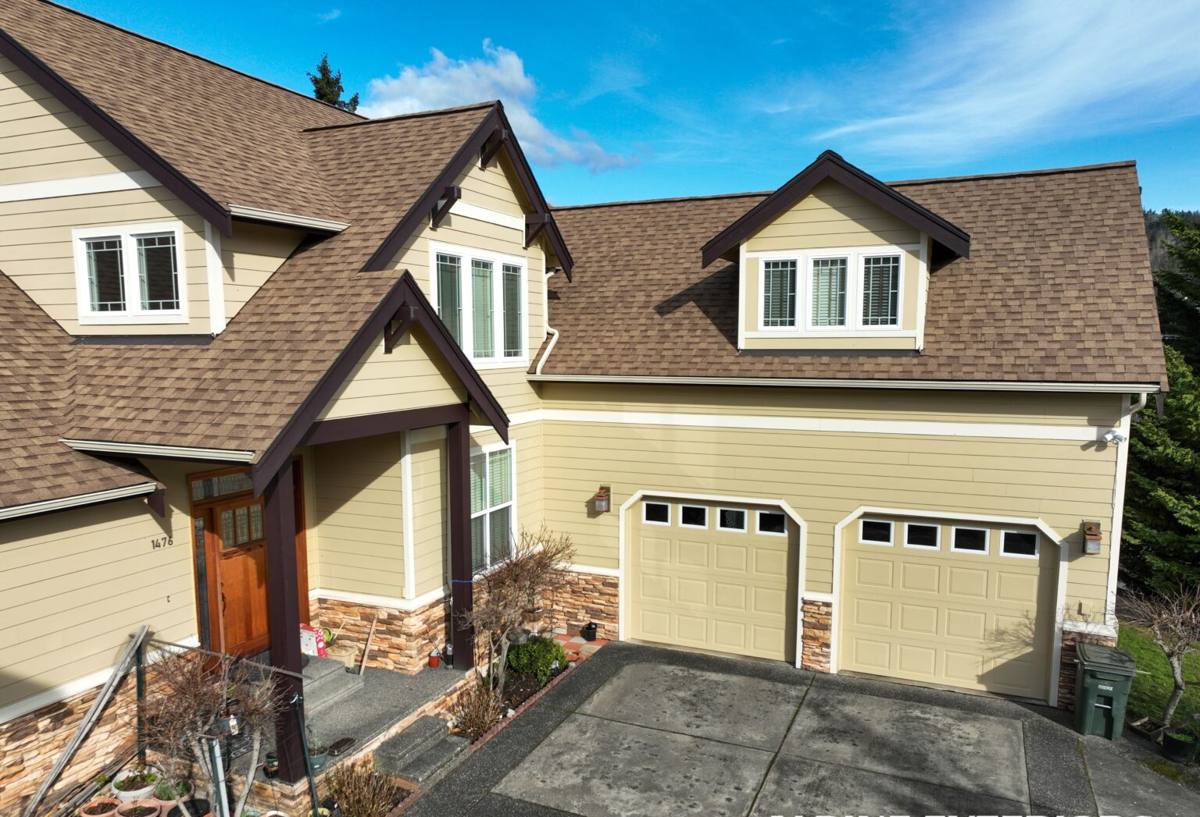
What Salt Air, Driving Rain, and Moss Actually Do to a Roof
Salt-influenced air
Homes closer to the water pick up airborne salt that accelerates corrosion on exposed metal — flashing, fasteners, vent caps, gutter hardware. Cheaper galvanized fasteners or thin-gauge flashing can start showing rust streaks and pinholes years before they would inland. It's a slow process, but it compounds, and it's one reason we're particular about fastener and flashing material on North Everett jobs.
Driving rain
Wind-driven rain doesn't just fall straight down — it gets pushed sideways and upward under shingle edges, around vent penetrations, and into any gap in flashing. A roof that would hold up fine in calm rain can leak in North Everett if the underlayment, valley flashing, and edge details aren't done with wind-driven moisture specifically in mind.
Moss and organic growth
Shade from mature trees plus a wet climate is a near-perfect recipe for moss, lichen, and algae staining. Moss isn't just cosmetic — it holds moisture against the roofing material, lifts shingle edges as it grows, and can work its way under flashing over time. In this area, moss season isn't really a season; it's most of the year, with growth accelerating through the wet months.
Signs a North Everett Roof Needs Replacing, Not Just Patching
Not every roof problem calls for a full tear-off. But there's a point where patching stops being cost-effective and starts being a way to spend money without solving anything. Here's what tends to tip a roof from "repair" into "replace" territory:
- Granule loss heavy enough that you can see bare or shiny patches on multiple slopes, not just one localized spot
- Moss or algae staining across large sections combined with soft or spongy decking underneath
- Curling, cracking, or lifted shingle edges spread across the roof rather than confined to one repairable area
- Daylight or water staining visible in the attic along the roof deck, especially near valleys or penetrations
- A roof that's already had two or more repair visits for separate leaks within a few years
- Roofing material that's near or past its expected service life for this climate, regardless of how it looks from the ground
If you're only seeing one or two of these, a targeted repair may still make sense. If you're seeing several at once, replacement usually ends up being the more honest recommendation — and the more economical one over time.
What a Correct Roof Replacement Actually Involves
A roof replacement is more than swapping old shingles for new ones. Done right, here's what should happen on a North Everett home:
Tear-off and deck inspection
Full removal of the old roofing down to the deck, followed by an actual inspection of the sheathing — not a glance. Damp climates hide rot well; soft or delaminated plywood needs to be identified and replaced before anything new goes down, not covered over.
Underlayment matched to the climate
Given how much wind-driven rain this area sees, we don't treat underlayment as an afterthought. Synthetic underlayment with proper lap and fastening, plus self-adhered membrane in vulnerable zones (eaves, valleys, around penetrations), does more to prevent leaks here than almost any other single decision in the job.
Flashing done properly, not just reused
Flashing around chimneys, skylights, sidewalls, and valleys is where most roof leaks actually originate — not in the open field of shingles. New flashing, correctly lapped and sealed, matters more in a driving-rain climate than in a dry one.
Ventilation that accounts for moisture, not just heat
In hotter climates, roof ventilation is mostly about heat escape. Here, it's just as much about letting moisture out of the attic space so it doesn't condense against the deck. Balanced intake and exhaust ventilation is a real factor in how long a roof lasts in this kind of climate, not a box to check.
Final details
Drip edge, gutter apron integration, ridge caps, and cleanup — the parts that are easy to rush at the end of a long job but that determine whether water sheds correctly off the roof edge for the next 20-plus years.
Comparing Roofing Materials for This Climate
There's no single "best" roofing material for every home — it depends on budget, roof pitch, sun exposure, and how much maintenance you want to take on. Here's how the common options stack up specifically against North Everett's moisture and moss pressures:
| Material | Moisture & moss resistance | Typical lifespan here | Maintenance |
|---|---|---|---|
| Asphalt composition shingle | Good with proper underlayment and ventilation; needs periodic moss removal | 20–30 years | Low to moderate — occasional cleaning |
| Architectural/laminate shingle | Better wind and water resistance than 3-tab; still benefits from moss treatment | 25–35 years | Low to moderate |
| Standing seam metal | Excellent — sheds water fast and resists moss buildup on steeper pitches | 40–60 years | Low, but fastener/flashing metal quality matters near salt air |
| Cedar shake | Attractive but requires diligent upkeep in a damp, shaded climate | Varies widely with maintenance | High — regular treatment needed to resist rot and moss |
We're upfront with clients: cedar shake can look great, but in a climate this wet and shaded, it demands a maintenance commitment a lot of homeowners underestimate. We'd rather set that expectation honestly than sell a product that turns into a headache two years in.
What Drives the Cost of a Roof Replacement
Every roof is priced individually, but the same handful of factors move the number up or down on almost every job we quote in this area:
| Factor | Why it matters here |
|---|---|
| Roof size and pitch | More surface area and steeper slopes mean more material, labor, and safety setup |
| Number of layers being removed | Homes with more than one old roofing layer take longer to tear off and dispose of |
| Deck condition | Moisture-related rot found under old roofing adds sheathing replacement cost |
| Material choice | Standing seam metal costs more upfront than asphalt shingle but lasts far longer |
| Flashing and penetrations | Chimneys, skylights, and multiple roof valleys add labor and material |
| Tree cover and access | Heavier canopy common in North Everett can affect debris cleanup and staging |
How We Approach a North Everett Roof Replacement
Our process is the same on every roof, but the details we pay closest attention to are shaped by what this specific area throws at a house:
- Inspection: We walk the roof and the attic, not just one or the other. We're looking for the underlying cause of any staining or moss, not just the surface symptom.
- Honest scope and quote: We tell you plainly whether you're looking at a repair or a replacement, and why, before we talk price.
- Tear-off and deck check: Full removal, with any soft or damaged sheathing replaced and documented — we show you what we find.
- Underlayment and flashing built for wind-driven rain: This is where we don't cut corners, because it's where leaks actually start in this climate.
- Installation to manufacturer and code specification: Proper nailing pattern, exposure, and ventilation balance — the details that determine whether a warranty is actually valid if you ever need it.
- Cleanup and walk-through: Magnetic sweep for stray fasteners, full debris removal, and a final walk-through so you know exactly what was done.
Permits and Local Considerations
Roof replacement in Everett and unincorporated Snohomish County typically requires a permit, and inspections are part of the process for a reason — they catch the same deck and flashing issues we're already checking for. We handle the permitting process as part of the job rather than leaving it to the homeowner to sort out. If your property is in an area with specific drainage or stormwater requirements, we factor that into how gutters and roof edges are detailed as well.
Choosing a Roofing Contractor for This Area
A roof replacement is a big investment, and the contractor matters as much as the material. A few things worth checking before you hire anyone for a North Everett roof:
- Proper licensing, bonding, and insurance — ask to see current documentation, don't just take it on faith
- A written scope that specifies underlayment type, flashing approach, and ventilation plan, not just "new roof"
- Manufacturer certification if you're getting a product-backed extended warranty
- Willingness to show you deck damage before covering it back up, with photos or an in-person walk-through
- Local references or a local track record — a crew that's worked other roofs in this same climate knows what actually fails here
- A clear cleanup and disposal plan, especially if your property has heavy tree cover
A contractor who's done real work in North Everett specifically will already know how much moss pressure to expect, how the local wind pattern drives rain into valleys and walls, and which flashing details tend to fail first on homes like yours. That's not something you get from a crew passing through the area for one job.
Getting the Timing Right
Roof replacements can happen in most weather, but scheduling around the driest stretches of the year reduces disruption and makes tear-off day go smoother. If your roof is already showing multiple warning signs, it's worth getting it assessed before the wetter months rather than waiting until a leak forces the issue during a storm.
If you're seeing moss buildup, granule loss, or signs of water intrusion on a North Everett home, we're happy to take a look and give you a straight answer — repair or replace — with no pressure either way. Fill out the form below for a free estimate.