 Everett
 Why North Everett Decks Wear Out Faster Than the Warranty Sheet Says
A deck built for a dry climate and a deck built for North Everett are not the same project, even if they look identical on the day they're finished. This part of Snohomish County sits close enough to Puget Sound and the Snohomish River lowlands that homes take on a steady dose of salt-laden air, wind-driven rain that gets under things a dry-climate deck was never designed to shed, and long stretches of shade and dampness that let moss and algae take hold on any surface that doesn't drain or dry out quickly. None of that means a deck can't last decades here. It means the framing, the fasteners, the decking material, and the drainage details all have to be chosen with that exposure in mind from day one, not patched later.
Most deck failures we get called out to inspect aren't dramatic structural collapses. They're slow problems — a ledger board that's been trapping water against the house for years, joists that were never flashed and are soft at the top edge, or a deck surface so covered in moss by February that it's genuinely dangerous to walk on. Almost all of it traces back to a build that didn't account for how wet this area actually stays for six or more months of the year.
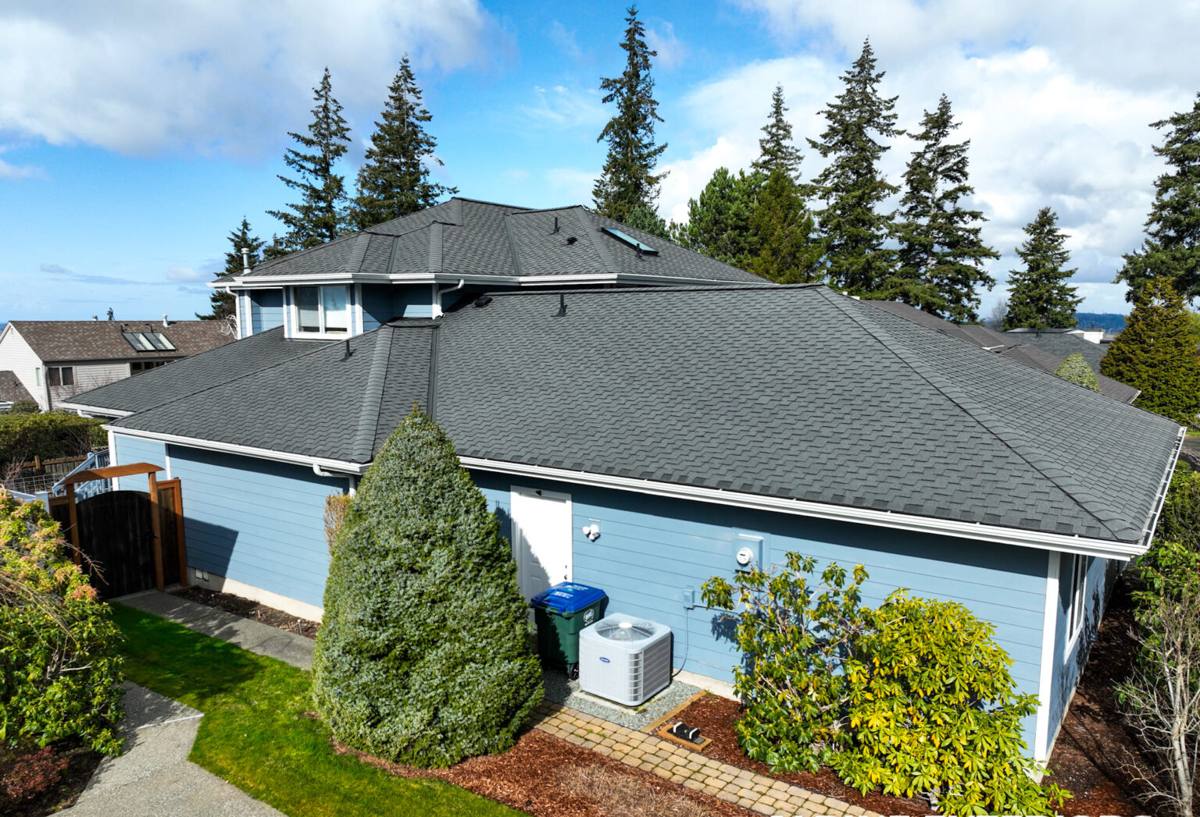
What a Correctly Built Deck Looks Like Here
Footings and Framing
Everything starts below the decking, where nobody looks after the project is done. Footings need to be sized and set to local frost and soil conditions, and in the clay-heavy or poorly draining soils common in parts of North Everett, that often means going deeper or wider than a builder used to sandier ground would default to. Posts should sit on top of footings, not buried in concrete, so water can't wick up into the wood grain. Joists and beams should be pressure-treated lumber rated for ground contact where they're close to grade, and every cut end — the part most builders forget — needs to be field-treated with sealant before it goes up, because factory treatment doesn't penetrate a fresh cut.
The Ledger Board Connection
The ledger — the board that attaches the deck to the house — is the single most common point of failure we see on older decks in this climate. If it's not flashed correctly with the flashing tucked under the house's weather-resistive barrier and sloped to shed water outward, every driving rainstorm pushes moisture behind that board and into the house's rim joist. That's a slow, hidden rot problem that can take years to show up as a soft spot or a sagging deck edge, by which point it's an expensive repair instead of a five-minute detail done right the first time.
Sloping and Drainage
A deck surface should slope slightly away from the house — generally about a quarter inch per foot — so water sheets off instead of pooling. On a covered or partially covered deck, that slope matters even more, since the roof structure keeps sun off the boards and slows drying time. Combined with proper gapping between boards for airflow, correct slope is what keeps a deck from turning into a shaded, standing-water breeding ground for moss within its first year or two.
Choosing Decking Material for Salt Air and Driving Rain
There's no single "best" decking material — there's a best material for your budget, your maintenance appetite, and how exposed your specific deck is to weather. Here's how the common options actually perform under North Everett conditions:
| Material | How It Handles This Climate | Maintenance | Typical Lifespan Here |
|---|---|---|---|
| Pressure-treated wood | Good structural performance if sealed; grain still absorbs moisture and hosts moss/algae in shaded spots | Re-seal or stain every 1-2 years; regular moss treatment | 15-25 years with upkeep |
| Cedar | Naturally rot-resistant and handles moisture better than most softwoods, but still needs protection from constant damp | Annual cleaning and periodic oiling/sealing | 20-25 years with upkeep |
| Composite decking | Doesn't absorb water like wood, resists rot; can still grow surface algae/moss film in shaded, low-airflow spots | Periodic washing; no staining or sealing | 25-30+ years |
| PVC/capped polymer decking | Fully sealed surface, best moisture and salt-air resistance of common options | Occasional washing | 30+ years |
We're honest with clients that composite and PVC decking cost more up front than wood, and that trade-off is worth walking through in person rather than defaulting to the cheapest option. A pressure-treated deck installed correctly, sealed on a real schedule, and kept clear of standing moss will still serve a North Everett home well — it just asks more of the homeowner over time than a capped composite board does.
Fasteners and Hardware: The Detail Salt Air Punishes First
Coastal and near-coastal air accelerates corrosion on standard fasteners faster than most homeowners expect. A deck that looks fine on the surface can have rusting joist hangers, screws, and structural connectors doing the actual load-bearing work underneath. For every deck we build in this area, that means:
- Stainless steel or hot-dip galvanized structural screws and bolts rated for exterior, ground-contact, or coastal use
- Corrosion-resistant joist hangers and post connectors matched to the fastener type — mixing metals accelerates corrosion on both
- Properly flashed ledger connections with corrosion-resistant lag bolts or structural screws, not standard deck screws
- Sealed or capped fastener heads on visible decking where water can pool around an exposed screw head
Cutting corners on hardware is one of the least visible ways a deck build can shortchange a homeowner, because the failure doesn't show up for years — and by then it's a structural repair, not a warranty call.
Railings, Stairs, and Code Basics
Everett and Snohomish County follow the state building code's requirements for deck railings, guardrail heights, baluster spacing, and stair geometry, and those requirements exist because they prevent real injuries — not as red tape. Any deck more than a modest height above grade needs a compliant guardrail, and the exact height and spacing requirements should be confirmed with the local building department for your specific project rather than assumed from a neighbor's deck or an online forum, since requirements can vary by jurisdiction and by deck height. A permit is typically required for new deck construction and for many deck replacements — pulling the permit and scheduling the inspections isn't a formality to skip, it's what confirms the framing, footings, and railings actually meet code before they're covered up or lived on.
Living With Moss and Algae: What Actually Works
Moss season in this part of Washington isn't a minor annoyance — a shaded deck that isn't maintained can grow a slick moss layer within a single wet season, and that's a genuine slip hazard, not just a cosmetic issue. A few things make the biggest difference:
- Keep overhanging branches trimmed back so the deck surface gets more sun and airflow
- Sweep organic debris (leaves, needles, pollen) off the deck regularly rather than letting it sit and hold moisture
- Use a deck-safe moss and algae treatment on wood or composite surfaces before it builds up, not after it's already established
- Make sure board gaps and under-deck ventilation weren't closed off during construction — proper airflow underneath is one of the most effective long-term defenses against moss
- Re-check and re-seal wood decking on schedule; a sealed surface sheds water and resists moss far better than a weathered, porous one
Our Process for a North Everett Deck Build
1. On-Site Assessment
We look at sun and shade exposure, drainage patterns around the foundation, existing soil conditions, and how the new deck will tie into the house before we talk materials or design.
2. Design and Material Selection
We walk through the material comparison above in the context of your budget, how much maintenance you actually want to take on, and how exposed the specific location is to shade, rain, and salt air.
3. Permitting
We handle the permit application and coordinate the required inspections with the local building department so the structural work is verified at the right stages, not just at the end.
4. Construction
Footings, framing, flashing, and fastener choices are all built to the standards outlined above — not the minimum code allows, but what actually holds up to this climate long-term.
5. Final Walkthrough
We go over maintenance expectations for the specific material you chose, so you know exactly what upkeep schedule keeps your warranty and your deck's lifespan intact.
Why It Matters to Hire a Crew That Already Works North Everett
A contractor who mostly builds decks in drier inland climates isn't wrong about framing or code — they're just calibrated to different exposure. Flashing details that are "good enough" in a low-rain region aren't good enough here. Fastener grades that hold up fine away from the water corrode faster near Puget Sound's salt air. And moss isn't something every region's builders think about at all, let alone design around. Working with a crew that builds decks specifically in and around Everett means the drainage slope, the ledger flashing, the hardware grade, and the material recommendation are all decisions made with this exact climate in mind, not general best practices applied and hoped for the best.
If you're planning a new deck or need an honest assessment of one that's already showing its age, we're happy to take a look and talk through what your home and your budget actually need. Use the form below to request a free, no-pressure estimate.