 Everett
 Windows Built for Lynnwood's Particular Climate
Lynnwood sits in the Snohomish County stretch of the Puget Sound region, and that means homes here deal with a specific combination of weather stresses that windows in drier parts of the country never have to handle. Salt-tinged marine air drifts in off the Sound, rain arrives sideways more often than straight down, and moss finds every shaded, damp surface it can cling to for most of the year. Windows that were fine when a house was built twenty or thirty years ago are often the first thing to show their age under these conditions.
A custom window project in Lynnwood isn't just about picking a style out of a catalog. It's about matching frame material, glazing, and installation detail to a climate that punishes shortcuts. This page covers what that actually looks like — what to watch for, what a correct installation involves, and why local experience matters more here than it does in a lot of other markets.
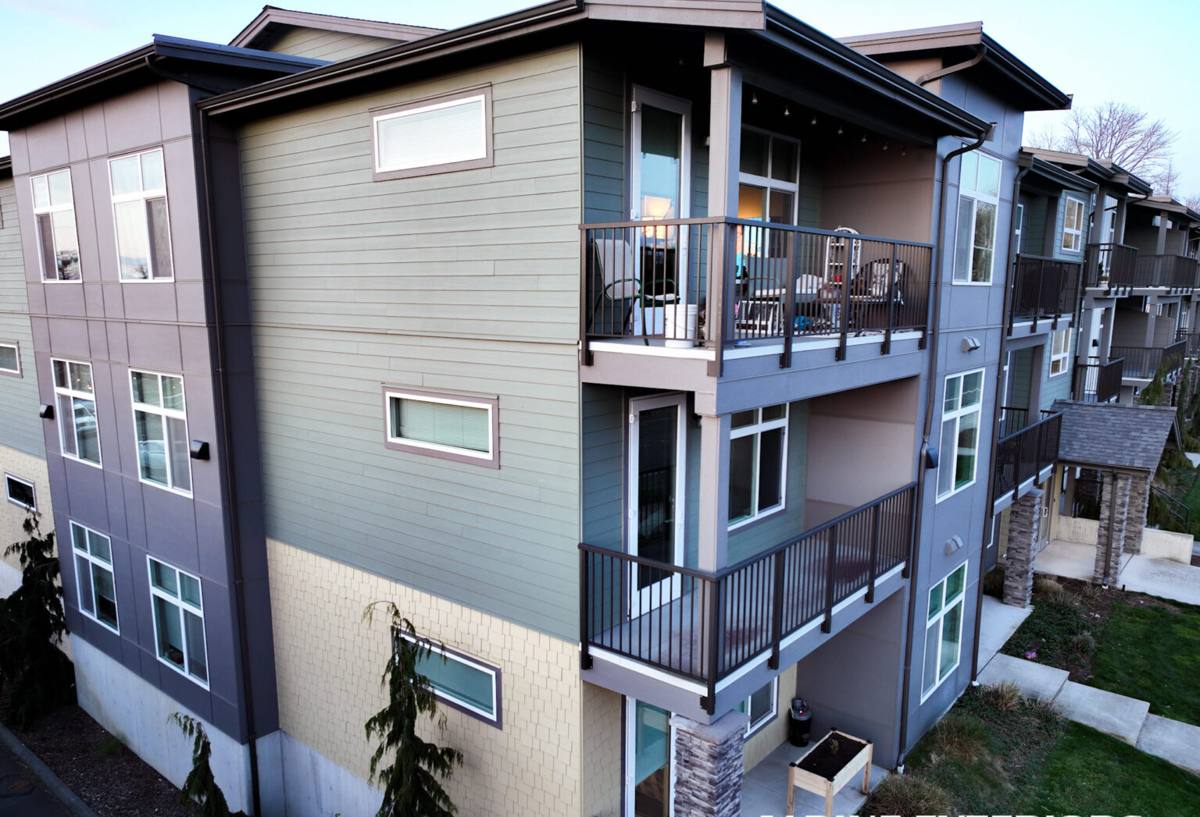
How This Climate Wears Down Windows
Salt Air and Moisture
Even homes several miles from open water pick up airborne salt and moisture carried on Puget Sound weather systems. Over years, that moisture works into any gap in a window's seal, corroding hardware, swelling wood that isn't properly protected, and slowly breaking down caulking and weatherstripping faster than in an inland climate. Aluminum components without a proper thermal break or protective finish are especially prone to pitting and corrosion in this environment.
Driving Rain and Wind-Driven Water
Storms coming off the Sound frequently push rain at an angle instead of straight down, which means water finds its way into places a well-sealed window in a calmer climate would never see. This is where flashing detail and sill pan design stop being optional extras and become the difference between a window that stays dry for decades and one that quietly rots the framing behind it.
The Long Moss Season
Snohomish County's mild, wet stretch runs a good part of the year, and moss doesn't need much encouragement to take hold on north-facing walls, window sills, and anywhere airflow is limited. Beyond the cosmetic issue, moss holds moisture directly against wood trim and sealant, accelerating decay in exactly the spots homeowners are least likely to check regularly.
Signs Your Current Windows Are Losing the Battle
Most window failures in this climate develop slowly, so it helps to know what to look for before a small issue turns into a rot repair or a mold problem.
- Fogging or a permanent haze between panes, which means the seal has failed and the insulating gas has escaped
- Soft, spongy, or darkened wood at the sill or corners of the frame
- Visible moss or persistent green staining on the sill, exterior trim, or bottom corners
- Drafts you can feel near the frame even when the window is fully latched
- Difficulty opening, closing, or locking that wasn't there when the window was newer
- Paint or finish that's bubbling, peeling, or chalking faster on window trim than on the rest of the wall
- A noticeable rise in heating costs with no other explanation
Any one of these on its own might not mean much. Two or three together, especially on the same window, usually means moisture has already gotten past the surface finish and into the structure.
What a Correct Custom Window Installation Actually Involves
Measuring and Ordering
Custom windows are built to the exact rough opening of your home, not the other way around. That starts with careful measurement of every opening, since older homes settle unevenly and openings that look identical from the outside are often slightly different sizes once you get a tape measure on them.
Removal Without Damage
Old windows have to come out cleanly, without tearing into siding, trim, or the surrounding wall structure more than necessary. This is also the point where hidden problems — rot, old flashing failures, insulation that's settled or gone missing — get discovered, ideally before the new window goes in rather than after.
Flashing and Weather Barrier Integration
This is the step that matters most in a climate with driving rain. The new window's flashing has to tie into the home's existing weather-resistive barrier in the correct order — head flashing over the top, side flashing lapped correctly, and a sloped sill pan underneath so any water that does get past the frame drains back out instead of sitting against the wood. Skipping or rushing this step is the single most common cause of hidden rot behind window trim.
Insulation and Air Sealing
The gap between the new window frame and the rough opening needs to be filled with the right material and sealed properly, without overpacking it in a way that can bow the frame and affect how the window operates.
Interior and Exterior Finish Work
Trim, caulking, and paint or stain get finished out to match the home, with attention to the exterior sealant joints that will be doing the real work of keeping weather out for years to come.
Choosing the Right Frame Material for This Climate
There's no single "best" window material for every home — it depends on the home's style, budget, and how much upkeep an owner wants to take on. Here's how the common options generally compare under Snohomish County's marine conditions.
| Frame Material | Moisture Resistance | Maintenance | Typical Lifespan |
|---|---|---|---|
| Vinyl | Good — won't rot or corrode | Low; occasional cleaning | 20-30 years |
| Fiberglass | Very good; stable in temperature swings | Low | 30-40+ years |
| Wood-clad | Good on the exterior clad side; interior wood needs care | Moderate; interior finish maintenance | 20-30+ years with upkeep |
| Aluminum | Prone to corrosion near salt air without a quality thermal break | Moderate | 20-25 years |
Our general standard for this area is to steer homeowners toward vinyl or fiberglass for most exterior exposures, simply because they don't give salt air and moisture the same foothold that unclad wood or older-style aluminum does. Wood-clad windows still have their place, especially where a homeowner wants a specific interior look, but they come with an honest maintenance commitment on the interior wood that we always walk through before ordering.
Our Process, Start to Finish
- On-site assessment — we look at the actual condition of your existing windows and the wall structure around them, not just the glass
- Honest recommendation — we talk through material, glazing, and style options that fit the home and the budget, including trade-offs, not just upsells
- Precise measurement and ordering — custom units are built to your openings
- Careful removal — old windows come out with minimal disturbance to surrounding siding and trim
- Correct flashing and sealing — every install follows proper flashing order and sill drainage, not a shortcut version
- Finish work — interior and exterior trim, caulking, and paint or stain matched to the home
- Final walkthrough — we check operation, seals, and finish with you before calling the job done
What Drives the Cost of a Custom Window Project
Every home and every project is different, but a few factors tend to move the price up or down more than anything else.
| Factor | Why It Matters |
|---|---|
| Frame material | Vinyl is typically the most budget-friendly; fiberglass and wood-clad cost more upfront but bring different lifespan and maintenance trade-offs |
| Number of openings | Larger projects generally lower the per-window cost due to shared labor and setup |
| Condition behind the old window | Hidden rot or old flashing failures discovered during removal add repair time before the new window goes in |
| Window size and configuration | Larger units, custom shapes, or operable styles like casements cost more than standard fixed or double-hung sizes |
| Glazing package | Upgraded glass coatings or triple-pane options add cost but can improve comfort and energy performance |
| Trim and finish complexity | Matching existing exterior trim profiles or historic detailing takes more labor than a simple standard install |
We give straightforward, itemized estimates so you can see exactly what you're paying for and where you have room to adjust the scope if needed.
Why Hiring a Crew That Already Works in Lynnwood Matters
Permitting and Local Code
Window replacement projects can trigger local permitting requirements depending on scope, and a crew that regularly works in the area already knows the process rather than learning it on your job.
Supply Chain and Lead Times
Custom windows are ordered to spec, and lead times vary by manufacturer and material. A crew with established supplier relationships in the region generally has a better handle on realistic timelines and fewer surprises mid-project.
Understanding This Specific Climate
A contractor who works across Snohomish County day in and day out has seen how salt air, driving rain, and moss actually behave against different frame materials and installation details over time — not in theory, but on real homes in this exact weather pattern. That experience shapes decisions about flashing detail, sealant choice, and material recommendations in ways that generic national guidance doesn't cover.
Keeping New Windows Performing for Decades
A correct installation gets you most of the way there, but a little regular attention keeps windows performing for the long haul in this climate.
- Rinse sills and tracks periodically to clear salt residue and organic debris before it holds moisture
- Clear moss and algae from sills and nearby trim promptly rather than letting it establish
- Check exterior caulking annually and re-seal any cracked or separated joints
- Keep weep holes on the sill clear so water can drain rather than pool
- Operate hardware a few times a year, even on windows that stay closed most of the time, to keep mechanisms from seizing
- Watch for condensation between panes as an early warning sign of seal failure
If your windows are showing any of the wear signs above, or you're simply ready to plan a custom window project for your Lynnwood home, we're happy to walk the property with you and give a straightforward, no-pressure estimate. There's a form below — reach out and we'll take it from there.