 Everett
 Why Metal Roofing Makes Sense for Lake Stevens Homes
Lake Stevens sits in that stretch of Snohomish County where lake humidity, marine air moving in off Puget Sound, and heavy tree cover all combine to put roofs through a lot more than they'd see in a drier climate. Homes here deal with long stretches of steady rain, damp air that lingers under the fir and cedar canopy, and a moss season that can run from fall through spring if a roof isn't shedding water and light the way it should. Metal roofing holds up well under those conditions when it's installed correctly — it sheds water fast, doesn't give moss the foothold that shingles do, and doesn't absorb moisture the way organic roofing materials can.
That said, "metal roofing" isn't one product. The panel type, fastening method, underlayment, and flashing details all matter more here than they would in a mild, dry climate. A system that's overbuilt for Arizona sun can still fail in Snohomish County if it's not detailed for constant moisture and wind-driven rain. This page is about what a correct metal roof installation looks like specifically for a Lake Stevens home, and what to expect from a crew that actually works this area regularly.
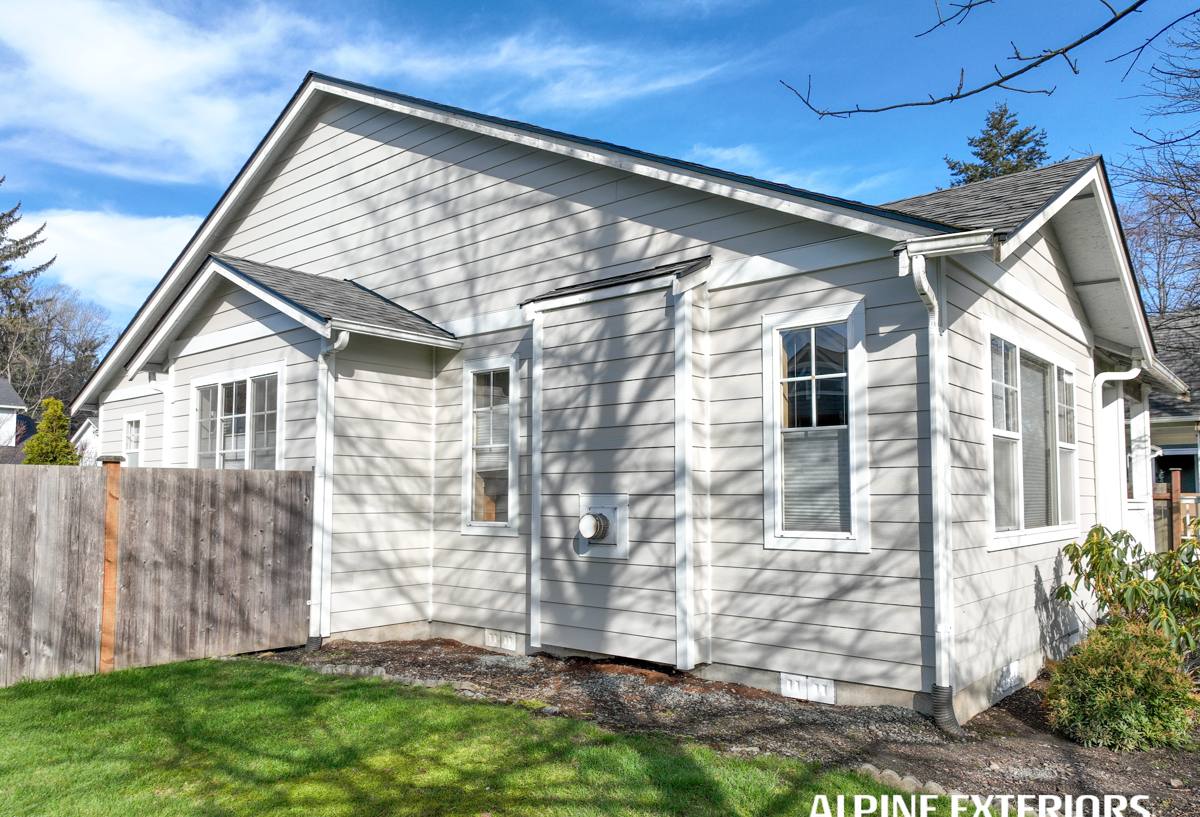
What the Local Climate Actually Does to a Roof
A few things define roofing conditions around Lake Stevens and the greater Everett area:
- Driving rain: Wind off the lake and the Sound pushes rain sideways during storms, which stresses flashing, seams, and any place two roof planes meet.
- Salt-tinged air: Proximity to Puget Sound means metal components benefit from corrosion-resistant coatings and fasteners, even a few miles inland.
- Shade and moisture: Mature trees are common on Lake Stevens lots, and shaded, damp roof sections stay wet longer, which is exactly what moss and algae need to establish.
- Temperature swings: Cool nights and warmer days cause expansion and contraction in roofing materials, which is a factor in how metal panels are fastened and how seams are detailed.
None of this makes metal roofing a bad fit — if anything, it's one of the more climate-appropriate choices for this area. But it does mean the installation details carry more weight here than the marketing on a panel sample ever will.
What a Correct Metal Roof Installation Involves
Underlayment and Deck Prep
Before any panel goes down, the roof deck needs to be sound, dry, and properly prepared. In a wet climate like this one, we use a high-quality synthetic or self-adhered underlayment as a secondary water barrier — this matters because it's the backup system that protects the structure if wind-driven rain ever gets past the panel seams, which can happen in a bad storm even on a well-installed roof.
Fastening and Panel Layout
How panels are fastened depends on the system. Exposed-fastener panels rely on screws with rubber washers driven through the panel face; standing seam systems use concealed clips that let the metal expand and contract without stressing the fasteners. In a climate with real temperature swings and constant moisture cycling, that expansion allowance is not a minor detail — it's the difference between a roof that stays tight for decades and one that develops leaks at every fastener point after a few years.
Flashing and Penetrations
Valleys, chimneys, skylights, and vent penetrations are where most roof leaks actually start, on any roofing material. Correct metal flashing detail work — properly lapped, sealed, and fastened — is what keeps driving rain from finding its way in at these transition points. This is also where experience with local storm patterns matters, since the direction rain typically comes from around Lake Stevens affects how flashing should be lapped.
Ventilation
A metal roof over a poorly ventilated attic can trap moisture underneath the deck, which leads to condensation problems that have nothing to do with the roof surface itself. We check and, where needed, correct ridge and soffit ventilation as part of a reroof, since it protects both the new roof and the structure underneath it.
Comparing Metal Roofing Systems
Not every metal roof system is the right fit for every home. Here's how the common options compare for a Lake Stevens property:
| System | Best Fit | Maintenance Considerations |
|---|---|---|
| Standing seam (concealed fastener) | Most residential roofs, especially where long-term low maintenance matters | Fasteners are hidden and protected; seams handle expansion well; higher upfront cost |
| Exposed-fastener panel | Outbuildings, shops, budget-conscious projects | Fastener washers age over time and may need periodic inspection or replacement |
| Stone-coated steel (shake or tile profile) | Homeowners wanting a traditional look with metal's durability | Textured surface can hold more debris and moss spores in shaded areas; needs occasional rinsing |
For most Lake Stevens homes with significant tree cover, we lean toward standing seam because the smooth, continuous panel gives moss and debris fewer places to catch, and the concealed fastener system holds up better long-term in a climate that cycles between wet and dry so often.
Moss, Algae, and the Tree Canopy
Moss doesn't grow on a roof by accident — it needs shade, moisture, and something to hold onto. Metal roofing addresses two of those three problems: it dries faster than shingles after rain, and a smooth panel surface gives moss spores far less to grip compared to the texture of composition shingles or wood shakes. It doesn't solve the shade problem, though, and homes tucked under mature trees around Lake Stevens will still need periodic attention.
Zinc or copper-based strips near the ridge can help suppress moss growth over time by allowing trace metal ions to wash down the roof slope during rain. This is a reasonable add-on for heavily shaded roofs, though it's not a substitute for occasional inspection and cleaning, particularly in the gutters and valleys where debris collects regardless of what the roof surface is made of.
Our Process, Start to Finish
- On-site assessment: We walk the roof, check the deck condition, look at ventilation, and note anything specific to the property — tree cover, roof pitch, valleys, existing damage.
- Honest scope and estimate: You get a clear breakdown of what's being done and why, with no pressure to upsell beyond what the roof actually needs.
- Tear-off or overlay decision: In most cases we recommend a full tear-off so we can inspect and repair the deck rather than covering up a problem. We'll explain the trade-offs if an overlay is genuinely viable for your situation.
- Underlayment and flashing installation: The unglamorous part that determines whether the roof actually performs in a storm.
- Panel installation: Panels are laid out, fastened, and seamed according to the manufacturer's specifications and the roof's specific geometry.
- Final walkthrough and cleanup: We check seams, flashing, and fastener lines, then clear the site of debris, old material, and stray fasteners.
Maintenance Checklist for Metal Roofs in This Climate
A well-installed metal roof needs far less upkeep than shingles, but "less" isn't "none." A simple seasonal routine goes a long way in this climate:
- Clear gutters and valleys of needles and leaves, especially heading into fall storm season
- Check for moss or algae buildup in shaded sections once or twice a year
- Inspect flashing around chimneys, skylights, and vents after major windstorms
- Trim back overhanging branches that keep sections of roof shaded and damp
- Look for loose or lifted panel edges after any unusually high wind event
- Confirm attic ventilation isn't blocked by insulation or debris
What Affects the Cost
Metal roofing costs more upfront than asphalt shingles, but the gap narrows over the life of the roof given how much longer it typically lasts and how little maintenance it needs. Several factors move the price on any given project:
| Factor | Why It Matters |
|---|---|
| Panel system (standing seam vs. exposed fastener vs. stone-coated) | Material and labor costs vary significantly between systems |
| Roof complexity (valleys, dormers, penetrations) | More transitions mean more flashing work and labor time |
| Tear-off vs. overlay | Removing old roofing and repairing the deck adds labor but avoids covering up hidden problems |
| Roof pitch and access | Steep or hard-to-access roofs take longer and require additional safety measures |
| Deck condition | Rot or damage found during tear-off may need repair before panels go on |
We won't quote a number without seeing the roof — anyone who does is guessing. What we can say is that we'll walk you through exactly what's driving the cost on your specific home, in plain language, before any work starts.
Why It Matters to Hire a Crew That Already Works Lake Stevens
Roofing crews that regularly work Snohomish County understand things that don't show up in a manufacturer's install guide — how rain tends to move across a lake-adjacent property, which shaded lots need extra moss consideration, how local permitting and inspection typically go, and what weather windows are realistic for scheduling a tear-off without leaving a deck exposed. That local familiarity reduces surprises, and surprises are usually what turn a straightforward reroof into a stressful one.
We also stand behind the work with a clear warranty on both materials and labor, so you know who to call if something needs attention down the road — not a manufacturer hotline that doesn't know your roof or your property.
If you're weighing metal roofing for a Lake Stevens home, we're happy to take a look and give you a straightforward, no-pressure estimate. Use the form below to get started.