 Everett
 Board & Batten Siding in Lake Stevens: Built for the Water This Area Sees
Board and batten has become one of the most requested siding styles around Lake Stevens, and it's easy to see why. The vertical lines suit the craftsman and modern farmhouse homes going up around the lake and on the wooded lots surrounding it, and the style reads clean on both new construction and older homes getting a full exterior refresh. But board and batten is also one of the least forgiving siding styles to get wrong. Every seam, every batten, and every inside corner is a place water can find its way behind the cladding if the assembly underneath isn't built correctly — and Lake Stevens gives that water plenty of chances to try.
This page is about that one job, done right, in this one area: what the local climate actually does to vertical siding, what a correct installation involves underneath the surface, and why the crew doing the work should already know this ground.
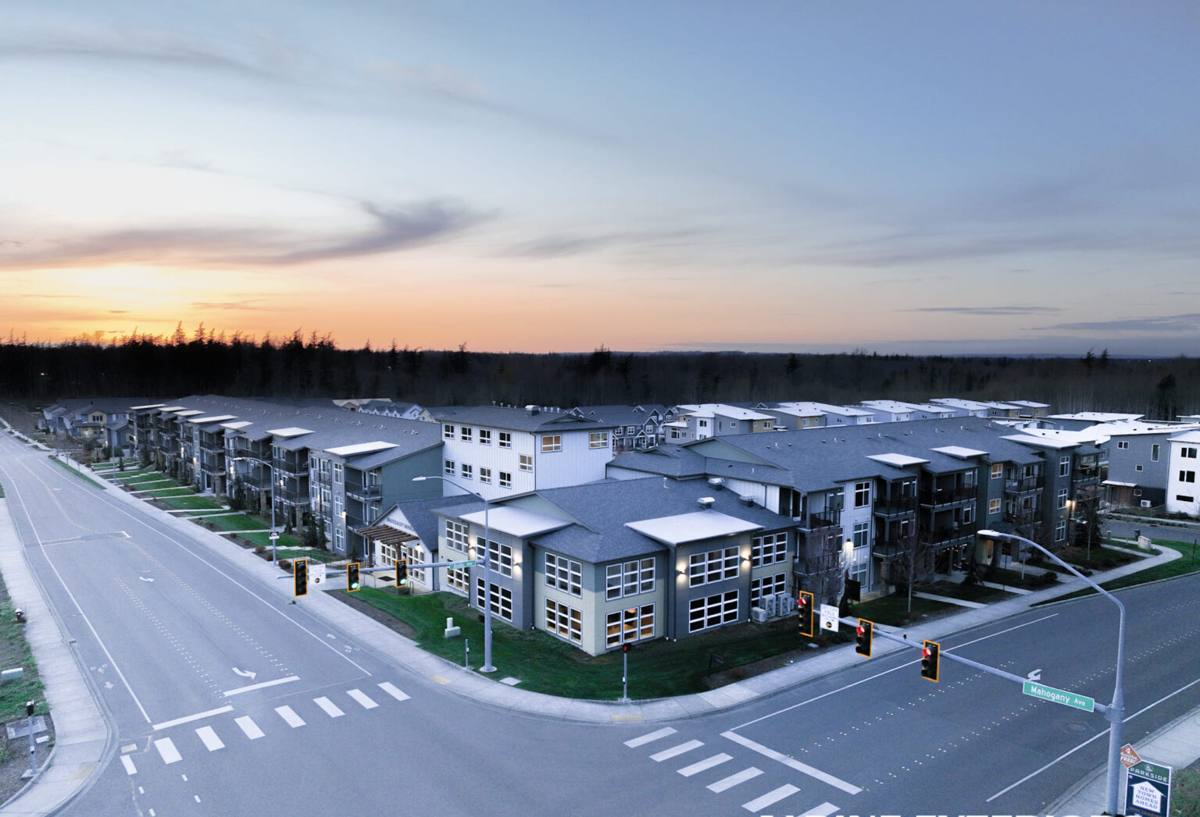
What Lake Stevens' Climate Does to a Vertical Siding System
Snohomish County sees a long wet season, and Lake Stevens adds its own wrinkle: a large body of water surrounded by tree cover holds humidity close to the ground longer than it lingers in more open, built-up areas. Combine that with the driving rain that comes through on winter storms and the salt-tinged marine air that moves inland off Puget Sound, and you get a set of conditions that are hard on any exterior wall assembly, but especially hard on vertical board and batten:
- Driving rain hits vertical seams differently than horizontal lap siding — water runs straight down the face of the boards and can find its way into any batten seam that isn't properly lapped and fastened.
- Shaded, tree-covered lots stay damp longer. A north-facing wall under a stand of firs or cedars can stay wet for days after a storm passes, which is exactly the environment moss and mildew need to take hold.
- Long moss season. In this part of Snohomish County, moss doesn't just grow on roofs — it colonizes any siding surface that holds moisture, and vertical battens create dozens of small horizontal ledges where spores can settle and grow if the material and installation don't shed water cleanly.
- Marine air carries salt and moisture that accelerates corrosion on exposed fasteners and speeds the breakdown of paint films that aren't factory-cured for the coast.
None of this means board and batten is a bad choice for a Lake Stevens home. It means the material and the installation method have to be matched to what the climate is actually going to do to the wall, year after year, not just how the elevation looks on day one.
What a Correct Board & Batten Installation Actually Requires
The Water-Managed Wall Assembly
The batten and board pattern homeowners see is the last layer of a system, not the whole system. Underneath it, a correctly built wall includes a weather-resistant barrier, properly lapped and sealed flashing at every window, door, and roofline intersection, and — critically for vertical siding in a wet climate — a drainage gap (a rainscreen) between the back of the siding and the wall sheathing. That gap lets any water that does get past the surface run down and out instead of sitting against the wood sheathing where it can rot framing from the inside out. Skipping the rainscreen is one of the most common corners cut on board and batten jobs, because it doesn't show on the finished wall — until years later, when it does.
Board and Batten Layout & Fastening
Board and batten is either built as individual boards with a batten strip covering each seam, or as a wide panel product with battens applied over the panel joints — the look is similar, but the water management and labor involved are different. Either way, the fastening pattern, the gap left at the bottom for drainage and ventilation, and the way each course terminates at soffits, corners, and trim all have to follow the manufacturer's specification for this region's exposure. Fasteners driven into moisture-prone framing without corrosion-resistant coatings are a common failure point in older installs — the boards can look fine while the fasteners underneath are already failing.
Why We Only Install James Hardie's Board & Batten System
Board and batten is available in several materials — cedar, engineered wood (LP SmartSide), vinyl, and fiber cement — and we've made a deliberate call to install only James Hardie fiber cement on every project, including this style. That's not a marketing position; it's a response to what actually holds up on vertical siding in a climate like this one.
| Material | How it handles Lake Stevens' rain and moss | Long-term consideration |
|---|---|---|
| Cedar board & batten | Attractive natural look, but wood absorbs moisture at every seam and end cut | Requires ongoing re-staining and sealing; prone to rot and moss growth in shaded, damp areas |
| LP SmartSide (engineered wood) | More moisture-resistant than raw cedar, but still a wood-based substrate | Edges and cut ends need diligent sealing; failures concentrate at seams if that maintenance lapses |
| Vinyl board & batten | Low maintenance, but panels can trap moisture behind them and shift with temperature swings | Not a rigid, paintable substrate — damage or fading isn't something you patch, it's something you replace |
| James Hardie fiber cement | Non-combustible, dimensionally stable, engineered HZ10 formulation for the Pacific Northwest's moisture cycle | Factory-applied ColorPlus finish resists the fading and moss staining that raw wood and field-painted materials struggle with |
Hardie's HZ10 climate-specific formulation is engineered for regions like ours, where the wall assembly deals with sustained moisture rather than dry heat. The material itself is non-combustible fiber cement, and the ColorPlus factory finish is baked on under controlled conditions rather than field-applied — which matters directly for a vertical siding style, since board and batten has more seams and more edges exposed to weather than lap siding of the same square footage.
Our Process for a Lake Stevens Board & Batten Project
Every project starts with an honest look at the wall, not just the siding. Here's what that involves:
- On-site evaluation of the existing siding, sheathing, and any trouble spots — shaded walls, downspout discharge points, areas with visible moss or past water staining get specific attention
- Confirmation of the water-resistant barrier and flashing plan at every window, door, and roof intersection before any siding goes up
- Installation of a proper drainage gap behind the siding so incidental moisture has somewhere to go
- Board and batten layout planned around the home's actual elevations — corner details, trim reveals, and batten spacing set out before the first board is hung
- Fastening to Hardie's specification for this exposure zone, with corrosion-resistant fasteners
- Final walkthrough covering the finished work and what maintenance (if any) the homeowner should expect going forward
Maintenance in a Moss-Prone, Rain-Heavy Climate
One of the real advantages of a correctly installed Hardie board and batten system in this climate is how little it asks of the homeowner afterward. The factory ColorPlus finish doesn't need repainting on the schedule that field-applied paint on wood or engineered wood siding does, and fiber cement doesn't feed moss and mildew the way organic wood fibers can. That said, no siding in Lake Stevens is entirely maintenance-free:
- Keep gutters clear so roof runoff isn't discharging directly onto siding or pooling at the base of a wall
- Trim back vegetation and tree cover close to the house so shaded walls get more light and air movement
- Rinse siding periodically in shaded, moss-prone areas — a soft wash keeps spores from establishing rather than removing an entrenched problem later
- Have caulking at trim and batten joints checked every few years, since sealant is the one component that does wear over time regardless of the siding material
Cost Factors for a Board & Batten Project
Every home is different, but the line items that actually move the price on a board and batten job tend to be the same ones:
| Factor | Why it affects cost |
|---|---|
| Existing wall condition | Rot or water damage found once old siding comes off means repair work before new siding can go on |
| Home elevation complexity | Dormers, multiple roof planes, and tall gable ends take more time to flash and trim correctly |
| Batten spacing and reveal design | Tighter batten spacing or custom reveal widths add material and labor over a standard layout |
| Trim and corner detailing | Board and batten shows off corner and trim work more than lap siding does, so detail-heavy elevations take longer |
| Site access | Wooded or sloped Lake Stevens lots can add setup time for scaffolding and material staging |
We walk every homeowner through their specific cost drivers during the estimate — there's no way to give an honest number without seeing the actual walls.
Why Hiring a Crew That Already Works Lake Stevens Matters
Board and batten installed to a generic specification and board and batten installed for this specific climate can look identical on the day the crew leaves — the difference only shows up years later, in whether moss takes hold on the shaded walls, whether the battens stay tight, and whether water that gets past the surface has anywhere to go. A crew that already works Everett and the surrounding Snohomish County towns has already seen which details matter here: how shaded, tree-covered lots behave differently than open ones, how lake-adjacent humidity lingers, and how the region's driving rain finds the weak points in a wall assembly that a written spec sheet alone won't flag. That local track record is worth more than a lower bid from a crew unfamiliar with what this climate actually does to a house over time.
If you're considering board and batten siding for a Lake Stevens home, we're happy to take a look and give you a straightforward, no-pressure estimate — including an honest read on what your specific walls and site conditions call for.