 Everett
 Windows in Glenhaven Work Harder Than Most People Realize
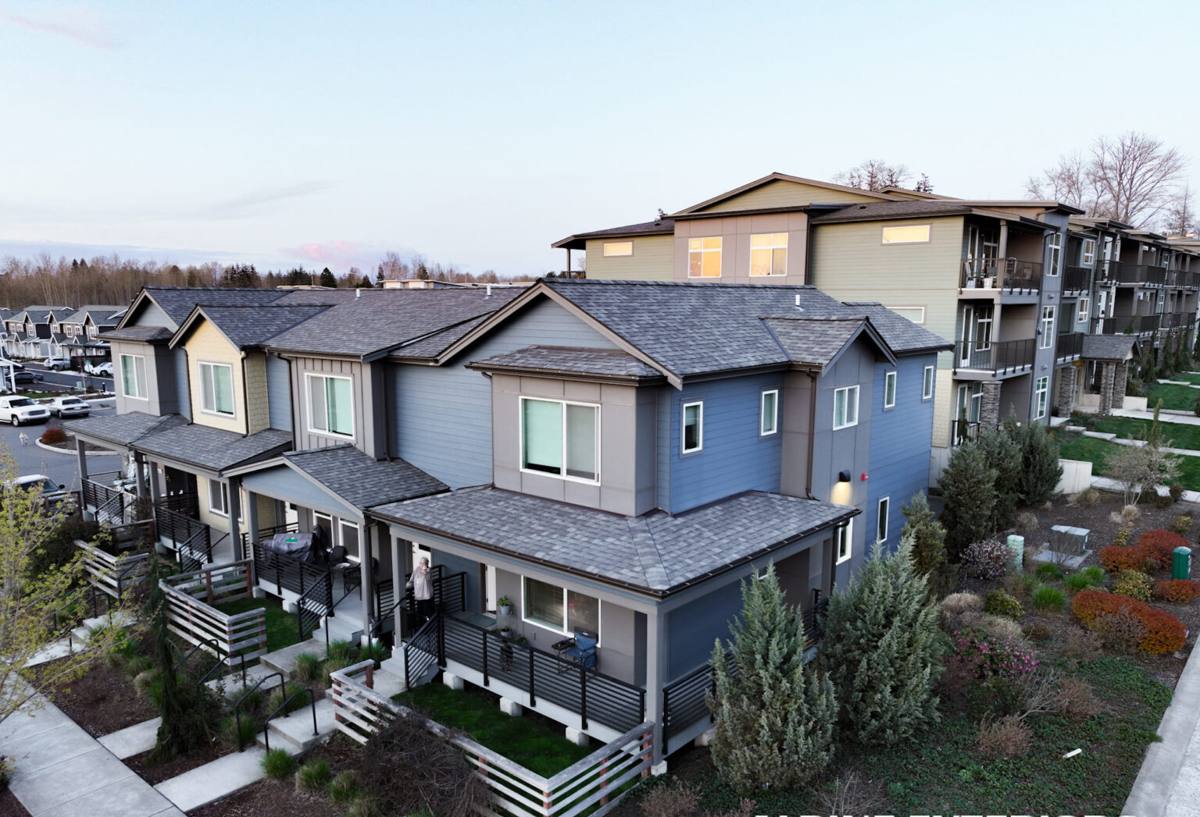
Glenhaven sits close enough to the water and the marine weather patterns that move through Everett and the rest of Snohomish County that its windows take a beating most inland homes never see. Salt-laden air corrodes hardware and finishes faster than dry-climate products are designed for. Driving rain, pushed sideways by wind off the Sound, tests seals and flashing in ways a light drizzle never would. And the long, damp moss season keeps humidity elevated around window frames and sills for months at a time, which is exactly the kind of environment that finds every weak point in an old window's seal.
None of this means Glenhaven is a uniquely hostile place to own a home — it just means the windows have to be matched to the job. A window that performs fine in a dry, low-wind climate can underperform here within a decade: fogged glass, drafty frames, swollen wood, and heating bills that creep up every winter. This page is about what actually matters when you're replacing windows in this specific part of Everett, not a generic rundown of window features.
What "Energy-Efficient" Actually Means for This Climate
Energy efficiency in a window comes down to three things working together: the glass package, the frame material, and the installation. Get one wrong and the other two can't fully compensate.
Glass Package
Most modern replacement windows use dual-pane or triple-pane insulated glass units with a low-E (low-emissivity) coating and an inert gas fill, usually argon. In a marine climate like ours, the low-E coating does double duty — it reduces heat loss in winter and cuts solar heat gain in the rare stretches of strong summer sun. The gas fill and the quality of the edge seal (the "spacer") matter more here than in drier regions, because constant humidity cycling is what eventually breaks down a weak seal and lets that gas escape.
Frame Material
Frame material determines how the window handles moisture and temperature swings over years, not just how it performs on day one. We'll get into the trade-offs below, but the short version is: whatever material you choose, it needs to resist swelling, corrosion, and UV breakdown, because Glenhaven's weather cycles between wet and dry more often than it stays in one state for long.
Installation
A high-performance window installed with poor flashing or a gapped sill pan will leak and lose efficiency no matter what the glass rating says. In driving rain, water finds any shortcut in the flashing detail and works its way behind the siding. This is the piece homeowners can't evaluate by looking at a spec sheet — it depends entirely on who's doing the install.
Signs Your Current Windows Are Losing the Battle
Most homeowners don't replace windows because of one dramatic failure — it's a slow accumulation of small problems. Here's what we look for, and what you can check yourself before calling anyone:
- Condensation or fog trapped between the panes (a sign the seal has failed and the gas fill is gone)
- Visible gaps, drafts, or a noticeable temperature difference near the window on a windy day
- Wood frames that feel soft, spongy, or show dark staining at the corners or sill
- Hardware — locks, cranks, hinges — that's corroded, stiff, or won't latch fully
- Moss or algae growth on the exterior sill or frame that keeps coming back within weeks of cleaning
- Rooms near older windows that are noticeably harder to heat or feel drafty even with the furnace running
- Paint or finish that's peeling or bubbling on the interior frame, which usually points to trapped moisture
Any one of these on its own might not justify replacement. Several of them together, especially on windows original to an older Glenhaven home, usually means the windows are costing more in energy loss and repair than a replacement would.
Choosing a Frame Material for a Wet, Salt-Air Climate
There's no single "best" window material — each has real trade-offs, and the right call depends on your budget, the home's style, and how much upkeep you want to take on.
| Frame Material | How It Handles This Climate | Trade-Offs |
|---|---|---|
| Vinyl | Won't rot or corrode from salt air; handles moisture cycling well | Can't be repainted easily; quality varies widely between manufacturers |
| Fiberglass | Very stable through temperature and humidity swings; strong resistance to warping | Higher upfront cost than vinyl |
| Wood (clad exterior) | Classic look, good insulator; exterior cladding protects against rain | Any exposed or damaged wood is vulnerable to the moss-season moisture; needs more maintenance |
| Aluminum | Strong and low-maintenance structurally | Conducts heat and cold readily and is the most prone to condensation and corrosion near salt air unless thermally broken |
For most Glenhaven homes, we steer clients toward vinyl or fiberglass for straightforward energy performance and low upkeep, and wood-clad options when matching an existing architectural style matters more than minimizing maintenance. We don't push a single "premium" material as the only correct answer — it's a genuine trade-off between cost, appearance, and how much maintenance you want to sign up for.
Our Installation Process
The install is where most of the long-term performance actually gets decided, so we treat it as the main event, not an afterthought.
- On-site assessment — we check existing framing, sill condition, and signs of past water intrusion before recommending anything.
- Product selection — we walk through glass package and frame options based on the specific exposure of that wall (south and west-facing walls catching driving rain get extra attention to flashing).
- Removal — old windows come out carefully so we can inspect the framing underneath, which is often the first time hidden moisture damage shows up.
- Sill and flashing prep — any soft or damaged framing gets addressed before a new window ever goes in. Proper sill pan and flashing integration is non-negotiable in this climate.
- Setting and sealing — the window is leveled, shimmed, and sealed with attention to a continuous weather barrier, not just a bead of caulk at the trim.
- Final check — operation, seal, and exterior weatherproofing are all confirmed before we consider the job done.
What Drives Cost
Every Glenhaven project is different, but the same handful of factors move the price up or down. We'll walk through all of these during a free estimate rather than quoting off a phone call.
| Factor | Why It Matters |
|---|---|
| Number and size of windows | Larger openings and full-home replacements have different economies of scale than a single room |
| Frame material chosen | Vinyl, fiberglass, and clad-wood carry different material costs |
| Glass package (dual vs. triple pane, coatings) | Higher-performance glass costs more upfront but reduces long-term energy loss |
| Condition of existing framing | Hidden rot or water damage found during removal adds repair scope |
| Access and window style | Second-story, oddly shaped, or custom openings take more labor |
Because of that variability, per-window pricing on replacement projects can range widely — from a few hundred dollars for a straightforward, standard-size vinyl unit up to several thousand for larger or custom fiberglass installations. The only way to get a real number is to have someone look at your specific windows and walls.
Why a Crew That Already Works This Area Matters
Windows sold as "energy-efficient" can still underperform if they're installed by someone unfamiliar with how Everett's marine climate actually behaves against a house. A crew that regularly works Snohomish County knows to check sill pans more carefully on rain-exposed walls, understands how salt air accelerates hardware corrosion, and recognizes moss and moisture staining as an early warning sign rather than a cosmetic issue. That local pattern recognition is hard to replace with a generic install checklist.
It also means faster response if something needs attention after the job — a callback for a minor adjustment shouldn't mean waiting on a crew that's an hour away and unfamiliar with your neighborhood's typical wind and rain exposure.
Maintaining Your Windows After Installation
Even well-installed, high-quality windows need a small amount of upkeep in this climate to hit their expected lifespan:
- Rinse frames and hardware periodically to clear salt residue, especially on wind-exposed sides of the house
- Clear debris and moss from sills and tracks before it holds moisture against the frame
- Check and re-caulk exterior trim joints every few years, since UV and moisture cycling break down sealant over time
- Operate locks and cranks a few times a year even on windows you don't open often, to keep hardware from seizing
- Watch for any new condensation between panes — it's the clearest sign a seal has failed
Windows sized and installed correctly for this climate should need very little beyond that.
Get a Straight Answer for Your Home
If you're dealing with drafty rooms, fogged glass, or windows that just feel like they're past their useful life, the best next step is having someone look at them in person rather than guessing from a general price list. We offer free, no-pressure estimates for Glenhaven homeowners — use the form below to get one scheduled.