 Everett
 Why Forest Park Decks Wear Out Faster Than the Brochure Says
Forest Park sits close enough to Port Gardner Bay and the Snohomish River corridor that homes here deal with a specific combination of punishment most inland decks never see: salt-laden air drifting off the water, long stretches of driving rain that hits structures sideways instead of straight down, and a moss season that can run from late fall clear through spring. Any one of those on its own is manageable. Together, on an aging deck, they compound fast.
Salt air accelerates corrosion on fasteners, joist hangers, and any exposed metal connectors. Driving rain doesn't just wet the surface of a deck board — it gets pushed under flashing, into end grain, and behind ledger boards that weren't detailed correctly the first time. And moss doesn't just look bad; it holds moisture against wood and composite surfaces for months at a stretch, which is exactly the environment that rot, mildew, and slick, unsafe footing all need to take hold.
We see the same failure pattern on a lot of Forest Park decks: a structure that looked fine from the yard but had a soft ledger connection, corroding hardware, or trapped moisture under the surface that had been quietly doing damage for years. By the time boards are visibly cupping or the frame flexes underfoot, the deck usually needs full replacement, not a repair.
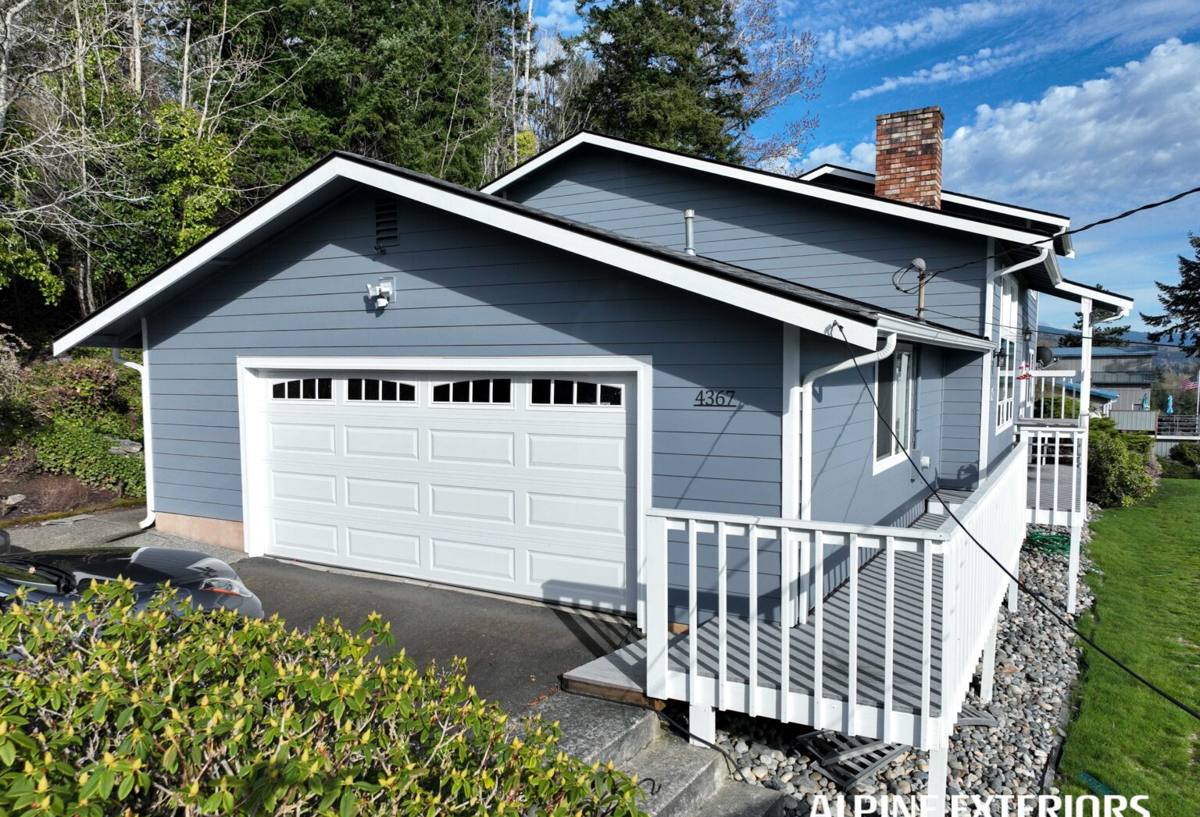
Repair or Replace? How We Tell the Difference
Not every tired-looking deck needs to come out. But in a Snohomish County climate, surface wear is often the least important sign. Here's what actually drives the repair-vs-replace decision:
- Ledger board condition — where the deck attaches to the house is the single most important structural point, and the most common hidden failure spot.
- Joist and beam integrity — probe for soft spots, especially near posts and at board ends where water pools.
- Hardware condition — rusted or corroded joist hangers, bolts, and post bases are a red flag even if the wood above them still looks okay.
- Footing and post stability — any movement, rot at the post base, or undersized footings relative to current code.
- Surface material age — cupped, splintering, or delaminating boards on an otherwise sound frame may only need re-decking; a frame with structural issues means full replacement.
If the frame is sound and only the decking surface has failed, resurfacing can make sense. If the ledger, framing, or footings are compromised — which is common on older Forest Park decks that have absorbed years of rain and moss without adequate ventilation underneath — replacement is the honest recommendation, not a repair that patches a structural problem.
What a Correct Deck Replacement Actually Involves
A deck replacement is a structural project wearing a finish-carpentry disguise. Getting the parts nobody sees right is what determines whether the new deck lasts 10 years or 25.
Ledger Attachment and Flashing
This is where most premature deck failures start in our region. The ledger board needs proper structural fasteners (not just nails), and it needs flashing detailed to shed water away from the house band joist — not funnel it behind the siding. With Everett's rain patterns, a poorly flashed ledger will find trouble within a few wet seasons.
Framing and Fasteners
Given the salt air common to Forest Park's proximity to the water, we use fasteners and structural connectors rated for coastal/corrosive exposure, not the minimum-grade hardware that's fine 20 miles inland. Undersized or mismatched hardware is a common shortcut that shows up as rust streaks and loosening connections within a few years.
Footings and Posts
Footings need to be sized and set to current code for the loads involved, with posts based to keep end grain away from standing water. Post bases that sit directly on grade or in poorly draining soil are a common cause of hidden rot on older decks in this area.
Ventilation and Drainage Underneath
A deck that traps moisture underneath — from poor grading, tight skirting, or debris buildup — stays damp longer after every rain event and grows moss and mildew faster. Airflow and drainage under the structure matter as much as what's on top of it.
Decking Material Selection
The surface material has to match how much upkeep the homeowner actually wants to do, not just how it looks on day one. We'll cover the trade-offs below.
Decking Material Comparison for a Wet, Salt-Air Climate
| Material | How It Handles Moss & Moisture | Maintenance | Typical Lifespan Here |
|---|---|---|---|
| Pressure-treated wood | Absorbs moisture; needs sealing to resist moss staining and cupping | Annual cleaning, periodic staining/sealing | 10–15 years with upkeep |
| Cedar | Naturally rot-resistant but still needs sealing in this climate to prevent graying and moss growth | Regular sealing, moss treatment | 15–20 years with upkeep |
| Composite decking | Doesn't absorb water like wood, but moss and mildew can still grow on the surface film if it's not cleaned | Periodic washing; no sealing/staining | 25–30 years |
| PVC/capped composite | Best moisture resistance of the group; least prone to surface staining from standing moisture | Occasional washing | 25–30+ years |
We don't push one material on every homeowner. Wood costs less up front and can look great, but in a climate with this much sustained moisture and a real moss season, it demands consistent maintenance to avoid becoming a slip hazard or harboring rot at fastener points. Composite and PVC cost more initially but remove most of that maintenance burden — that's a genuine trade-off, not a sales pitch, and we'll walk through it honestly based on your budget and how much deck upkeep you actually want to do.
Our Deck Replacement Process
- On-site assessment — we inspect the ledger, framing, footings, and hardware, not just the surface, and explain what we find in plain terms.
- Scope and material walkthrough — we go over decking material options, structural needs, and a realistic cost range before any work starts.
- Permitting — deck replacements in Everett typically require a permit depending on size and height; we handle that process so it's not on you.
- Demolition and disposal — full removal of the old structure, checking the ledger/house connection point for hidden damage once it's exposed.
- Framing, flashing, and footings — built and detailed for our rainfall and salt-air exposure, not generic minimums.
- Decking installation — surface material installed per manufacturer spec, including proper spacing for drainage and expansion.
- Final walkthrough — we go over the finished deck with you and cover basic maintenance expectations for the material you chose.
Permits and Code Considerations
Deck replacements are structural work, and most jurisdictions in Snohomish County, including Everett, require a permit once a deck exceeds a certain size or height above grade, or when it's structurally attached to the house. Skipping this step is a common shortcut that creates real problems later — unpermitted structural work can complicate a home sale or an insurance claim down the road. We pull the necessary permits and build to current code, including the structural attachment and guardrail requirements that matter most for long-term safety.
What Affects the Cost of a Deck Replacement
| Factor | Why It Matters |
|---|---|
| Deck size and height above grade | Larger and taller decks require more framing, more footings, and often more complex permitting. |
| Decking material | Wood costs less upfront; composite and PVC cost more but reduce long-term maintenance. |
| Ledger and framing condition | Hidden rot or an undersized existing structure adds repair scope beyond a straight tear-off-and-rebuild. |
| Railing and stair complexity | Custom railings, multiple stair runs, or elevation changes add labor and material. |
| Site access | Sloped yards or limited access around the home can add time for material handling and equipment. |
We give straightforward, itemized estimates rather than a single vague number, so you can see exactly what's driving the price and where you have choices.
Keeping a New Deck Ahead of Moss and Moisture
- Sweep debris and standing leaves off the surface regularly, especially in fall.
- Rinse or wash the deck a few times a year to remove early moss and mildew growth before it takes hold.
- Keep gutters and downspouts near the deck clear so runoff isn't draining directly onto or under it.
- Check that skirting or under-deck areas have airflow and aren't trapping standing water.
- For wood decking, reseal on the schedule the product calls for — don't wait until graying or cupping shows up.
- Inspect fastener heads and hardware once a year for early rust or corrosion, particularly on decks closer to the water.
Why a Crew That Already Works Forest Park Matters
Deck framing details that hold up fine in a dry climate can fail early here if they're not adjusted for the amount of rain, humidity, and moss pressure this part of Snohomish County actually sees. A crew that's replaced decks throughout Everett and the Forest Park area already knows which fastener grades hold up, how to detail ledger flashing for our rain patterns, and where moisture tends to collect on homes in this specific setting. That's not something you get from a generic deck-building checklist — it comes from having done the work here, seen what failed on older decks, and built the fix into how we frame every new one.
If your deck is showing cupped boards, soft spots, rust streaks on hardware, or a persistent moss problem that cleaning doesn't fix, it's worth having it looked at before another wet season adds to the damage. We're happy to come out, give you a straight assessment of whether you're looking at a repair or a full replacement, and put together a free, no-pressure estimate — just fill out the form below.