 Everett
 Windows Built for Delta's Coastal Everett Climate
Delta sits close enough to the water and the weather patterns that roll off Puget Sound and the Snohomish River delta that its homes take a different kind of beating than houses further inland. Salt-tinged air, near-constant winter rain driven sideways by wind, and long stretches of gray, damp months all work on a window's weakest points: the seals, the frame corners, and the flashing tucked behind the trim where you can't see it. When we install windows in Delta, we're not just swapping glass — we're rebuilding the water management system around that opening so it holds up to conditions that are genuinely harder on a building than what you'd see in a drier climate.
This page is specifically about window installation for homes in and around Delta. If you're comparing options, budgeting, or just trying to figure out whether your current windows are actually failing or just old and ugly, this is written for that decision.
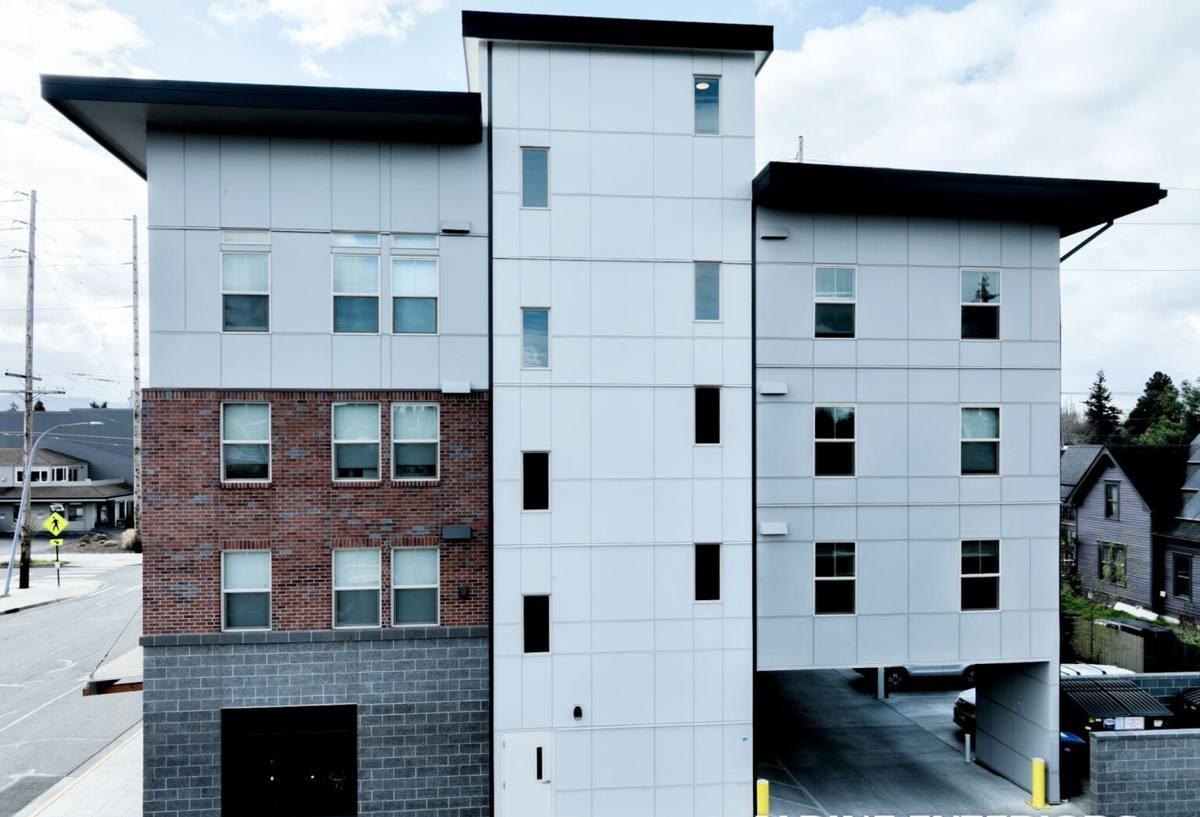
What Salt Air, Driving Rain, and Moss Season Do to Older Windows
Three things define the wear pattern on windows in this part of Snohomish County, and they compound each other.
Salt Air
Proximity to Puget Sound means airborne salt finds its way onto exterior surfaces, including window hardware, aluminum cladding, and fasteners. Over years, that accelerates corrosion on metal components — hinges, cranks, and lesser-quality cladding — long before the glass itself fails. It's a slow, quiet kind of damage that often shows up first as a window that's hard to open or a lock that won't catch cleanly.
Driving Rain
Everett doesn't just get a lot of rain — it gets wind-driven rain that hits windows at an angle instead of falling straight down. That matters because a lot of window failures aren't about the glass or even the seal around the sash; they're about water finding a horizontal or diagonal path in around the frame during a storm. Flashing and sill pan details that would be "good enough" in a calmer climate aren't good enough here.
Moss and Sustained Dampness
Long moss seasons mean extended periods where wood trim, sills, and the areas immediately around a window stay damp rather than drying out between rain events. That sustained moisture is what actually rots wood and breaks down old sealants — it's rarely one big storm that does the damage, it's months of low-grade dampness working on a joint that was never properly sealed.
Signs It's Time for New Window Installation
Not every old window needs replacing, but a few signs point clearly to a window that's no longer doing its job — often before the damage is visible from inside the house.
- Fogging or a permanent haze between the panes (a failed seal on double-pane glass)
- Soft or discolored trim, sill, or drywall near the window frame
- Drafts you can feel with your hand near the frame on a windy day
- Windows that are difficult to open, close, or lock, especially after damp weather
- Visible corrosion or pitting on aluminum frames or hardware
- Rising energy bills without a clear cause elsewhere in the home
- Paint that keeps peeling or bubbling around the window casing no matter how often it's touched up
- Condensation forming regularly on the inside of the glass, especially at the bottom corners
Any one of these on its own might just mean maintenance. Two or three together, especially on windows over 15-20 years old, usually means the window and its surrounding flashing have reached the end of their useful life.
What a Correct Window Installation Actually Involves
The window unit itself is only part of the job. Most of the failures we see in older homes trace back to how the opening was prepared and sealed during a previous installation — not to the window product itself. A correct install pays as much attention to what's invisible once the trim goes back on as to the window in the middle.
Flashing and Water Management
Every opening needs a sill pan or sloped sill flashing that directs any water that gets past the window back outside rather than into the wall cavity, plus properly lapped flashing at the sides and top so water sheds down and out, not in. Given how much wind-driven rain this area sees, this step is not optional or cosmetic — it's the difference between a window that stays dry for decades and one that starts rotting the wall behind it within a few wet seasons.
Frame and Sill Prep
Before a new window goes in, we check the rough opening for existing rot, soft framing, or old caulk that's failed and trapped moisture behind it. Installing a new window into a compromised opening just hides a problem instead of fixing it — it's one of the most common shortcuts we see when we're called out to repair someone else's earlier install.
Sealing and Insulation
The gap between the window frame and the rough opening needs to be insulated and air-sealed correctly — not overpacked with expanding foam, which can bow the frame, and not left too loose, which leaves a draft and moisture path. Exterior sealant beads need to be applied at the right joints only, since sealing the wrong spot can actually trap water instead of keeping it out.
Choosing the Right Window for a Delta Home
Frame material matters more here than it might in a drier inland climate, because of the combination of salt air and sustained moisture. Here's how the common options generally compare for this environment:
| Frame Material | Moisture & Salt Air Performance | Maintenance | Typical Fit |
|---|---|---|---|
| Vinyl | Good — won't rust or rot, handles moisture well | Low | Most common choice for straightforward replacements |
| Fiberglass | Excellent — very stable in temperature and moisture swings | Low | Good for larger openings or homes wanting a longer-term investment |
| Wood-Clad | Good on the exterior-clad side, but exposed or damaged cladding lets moisture reach the wood core | Higher — needs monitoring at joints and corners | Homes prioritizing an interior wood look |
| Bare Aluminum | Weaker in this climate — conducts cold and is more prone to corrosion from salt air over time | Moderate to high | We generally steer Delta homeowners away from bare aluminum for this reason |
We don't push one brand or material on every job — the right choice depends on your home's exposure, your budget, and how the existing openings are framed. What we won't do is install a product into conditions we know it handles poorly just because it's cheaper up front; that just moves the cost to a future repair.
Our Installation Process
The process is straightforward, but the sequence matters:
- On-site assessment — we look at each opening individually, not just the window, checking for existing moisture damage or framing issues before quoting the job.
- Product selection — we walk through material and glass options suited to your home's exposure and your priorities on cost, appearance, and efficiency.
- Removal and inspection — old windows come out carefully so we can inspect the rough opening for rot or prior water intrusion before anything new goes in.
- Flashing and sill pan installation — this happens before the new window is set, not after.
- Window setting and shimming — the unit is leveled, plumbed, and squared so it operates correctly and seals evenly for its full lifespan.
- Insulation, sealing, and trim — interior and exterior finish work completed to match the rest of the home.
- Final walkthrough — every window is opened, closed, and locked to confirm proper operation before we consider the job done.
Cost Factors to Expect
Every home and opening is different, so we don't quote sight-unseen, but the factors that typically move the price are consistent:
| Factor | Why It Affects Cost |
|---|---|
| Existing rot or water damage | Requires framing repair before a new window can be properly installed |
| Window size and quantity | Larger openings and whole-house replacements have different labor and material needs than a single small window |
| Frame material | Vinyl, fiberglass, and wood-clad options carry different material costs |
| Glass package | Double-pane, low-E coatings, and gas fills add cost but improve comfort and efficiency |
| Access and story height | Second-story or hard-to-reach windows take more time and equipment |
| Trim and finish work | Matching existing interior or exterior trim adds finishing labor |
Why Hire a Crew That Already Works in Delta
A crew that regularly works Everett and the Delta area already knows what this climate does to a window installation over ten or twenty years, not just what looks right on install day. That means we're not guessing at flashing details or sealant choices — we're applying what we've already seen hold up, and what we've seen fail, in this exact kind of weather. It also means we're not learning the quirks of Snohomish County's building requirements on your job; we already know what a correct install looks like here.
A window installed without accounting for wind-driven rain and long damp seasons can look fine for a year or two before problems show up behind the trim, by which point the fix is bigger and more expensive than it needed to be. Getting it right the first time, with the flashing and sealing details this climate actually demands, is the difference between a window that lasts and one that becomes a recurring repair.
If you're weighing whether your Delta home's windows need attention, or you're ready to plan a replacement, we're happy to take a look and walk you through honest options. Use the form below to request a free, no-pressure estimate.