 Everett
 Building a Deck in Delta Means Building for Everett's Weather First
Delta homeowners don't need a deck that looks good for one dry summer. They need one that holds up through a full Snohomish County year — salt-laden air drifting in off the water, months of driving rain, and a moss season that seems to start earlier every year. A custom deck built for this neighborhood has to be designed around those conditions from the footings up, not just dressed up with nice railings and called finished.
We approach every Delta deck project the same way: figure out how water, salt, and organic growth are going to attack this specific structure over the next twenty years, then build to resist all three. That's a different design conversation than the one you'd have in a drier inland climate, and it changes real decisions — fastener choice, board spacing, footing depth, and how the substructure breathes.
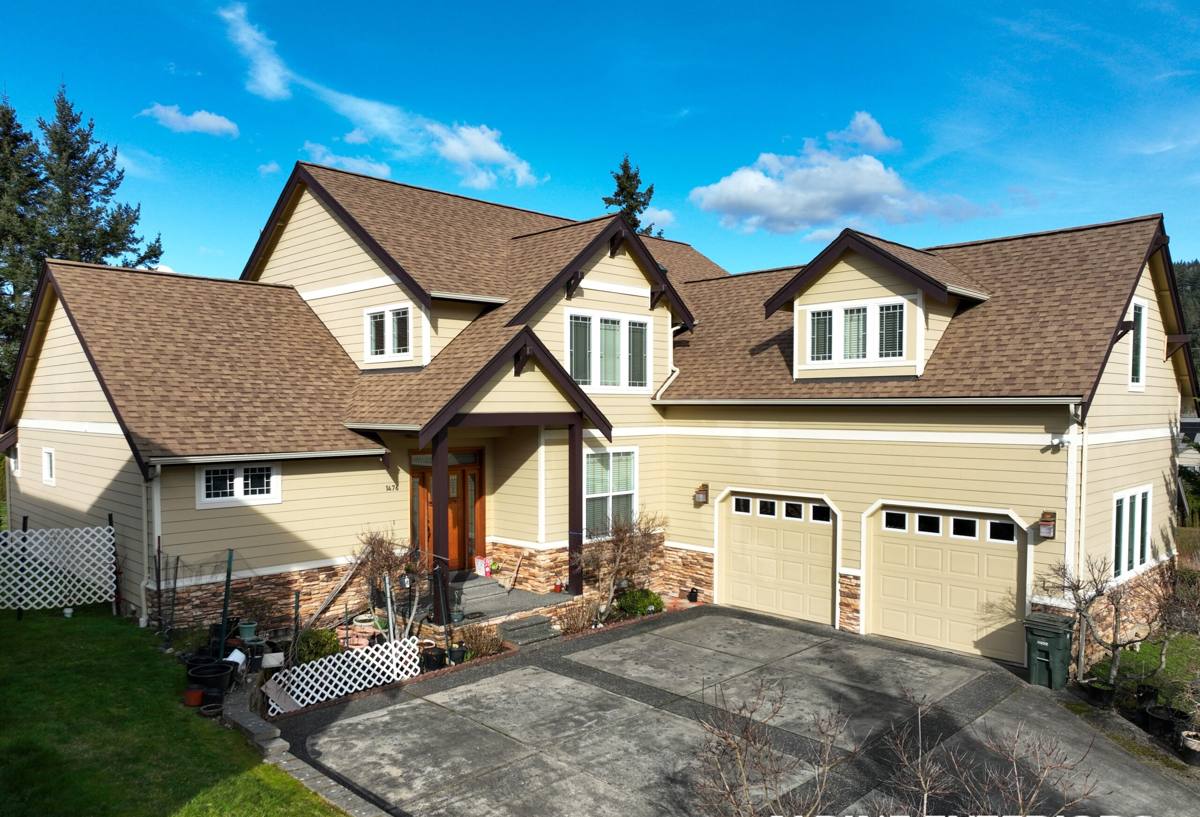
Salt Air, Rain, and Moss: The Three Threats to Deck Longevity
Salt Air
Homes in and around Delta sit close enough to Puget Sound that airborne salt is a constant, low-level presence. Salt accelerates corrosion in fasteners, brackets, and any exposed metal hardware. A deck built with standard-grade screws and connectors will show rust streaking and weakening joints years before a comparable deck further inland. This is the single biggest reason a Delta deck needs different hardware specs than a generic build.
Driving Rain
Wind-driven rain doesn't fall straight down — it gets pushed sideways into ledger boards, under railings, and into any gap that isn't properly flashed. Over time, water that should shed off the deck instead works its way into end grain, fastener holes, and the ledger connection to the house. That's where rot and structural failure start, almost always hidden until the damage is advanced.
Moss and Organic Growth
Everett's long wet season and tree cover mean moss, algae, and lichen get a real foothold on any surface that stays damp and shaded. Beyond looking bad, moss holds moisture against the decking surface, keeps boards from drying out between rains, and makes the deck surface genuinely slippery. Board spacing, airflow underneath the deck, and material choice all affect how much of a moss problem you'll be dealing with in year three versus year ten.
Choosing the Right Decking Material for a Delta Property
There's no single "best" decking material — there's a best material for your budget, your maintenance appetite, and how exposed your particular lot is to sun, shade, and moisture. Here's how the common options actually perform under Everett's conditions:
| Material | Moisture & Rot Resistance | Moss Resistance | Maintenance Needed | Typical Lifespan Here |
|---|---|---|---|---|
| Pressure-treated wood | Good if sealed regularly | Low — needs cleaning | Annual cleaning, re-sealing every 1-2 years | 15-20 years with upkeep |
| Cedar | Naturally decent, degrades if untreated | Low-moderate | Sealing/staining every 1-2 years | 15-20 years |
| Composite decking | Excellent | Moderate — surface still needs washing | Periodic washing, no sealing | 25-30+ years |
| PVC/vinyl decking | Excellent | Moderate-good | Low — occasional washing | 25-30+ years |
For shaded, damp lots common in this area, we're often steering homeowners toward composite or PVC precisely because they don't need annual sealing to stay water-tight — one less maintenance task that's easy to fall behind on during a Pacific Northwest winter. That said, plenty of Delta homeowners want the look and feel of real wood, and a well-built, properly maintained cedar deck is a perfectly sound choice — it just comes with a maintenance commitment we're upfront about before you decide.
What a Correct Deck Build Involves
Footings and Framing
Footings need to go below the local frost line and bear on solid, undisturbed soil — not fill dirt from grading. We size and space joists for the actual load the deck will see (furniture, hot tubs, gatherings), not the bare code minimum, and we use joist tape or a similar barrier on top of framing members so the wood underneath isn't sitting in standing water every time it rains.
Ledger Attachment
The ledger board — where the deck attaches to the house — is the single most common failure point on decks in wet climates. Proper flashing here, installed in the right order relative to the house's siding and water-resistive barrier, is what keeps rain from tracking behind the ledger and rotting the rim joist it's bolted to. This is not a place to cut corners or use a shortcut detail.
Fasteners and Hardware
Given the salt exposure in this area, we specify stainless steel or high-grade coated fasteners and structural connectors rather than standard galvanized hardware. It costs more up front and saves you from rust staining, weakened joints, and premature hardware failure down the line.
Drainage and Airflow
The space underneath the deck matters as much as the surface. Proper grading away from the house, gaps that allow airflow, and board spacing that lets water pass through rather than pool are all part of keeping moss and rot from taking hold underneath where you can't see it.
Our Process, From Design to Finished Deck
1. On-Site Assessment
We walk the property, look at sun and shade patterns, existing drainage, soil conditions, and how the deck will connect to the house. This is where we flag anything — an undersized rim joist, poor existing drainage, a shaded corner that'll be a moss magnet — before it becomes a surprise mid-project.
2. Design and Material Selection
We talk through layout, size, railing style, and decking material honestly, including trade-offs on maintenance and long-term cost, not just up-front price.
3. Permitting
Most decks above a certain height or attached to the house require a permit through the local jurisdiction. We handle that process so the finished structure is inspected and code-compliant, which also protects you at resale.
4. Construction
Footings, framing, ledger flashing, decking, and railings — built in that order, with each stage checked before moving to the next.
5. Final Walkthrough
We go over the finished deck with you, including what maintenance it'll actually need and on what schedule, so there are no surprises the first time it rains.
Railings and Hardware: Small Details That Matter in This Climate
Railing posts and connections take direct weather exposure and see constant stress from people leaning on them, so their hardware matters just as much as the decking surface. In a salt-air environment, we avoid standard steel brackets and fasteners in favor of corrosion-resistant options, and we make sure post connections are through-bolted rather than just screwed, since that connection carries real load over the life of the deck.
Maintenance Checklist for Delta Homeowners
A well-built deck still needs some seasonal attention, especially heading into and out of the wet months. Here's what we recommend keeping on your calendar:
- Sweep debris and standing leaves off the surface regularly in fall — trapped organic matter feeds moss and holds moisture
- Check and clean gutters and downspouts near the deck so runoff isn't dumping directly onto or under it
- Inspect fastener heads and railing connections once a year for rust or looseness
- Wash the deck surface at least once a year with a deck-safe cleaner to knock back algae and moss before it gets established
- Re-seal or re-stain wood decking on the schedule the product actually calls for, not "whenever it looks dry"
- Check under the deck periodically for standing water, blocked drainage, or early rot around the ledger
Permits and Code Considerations in Snohomish County
Deck permitting requirements vary by height, attachment method, and whether the structure includes stairs or a roof, and the details depend on your specific jurisdiction within Snohomish County. Rather than guess, we pull the actual requirements for your address before design work is finalized, and we build to pass inspection the first time — not to just barely meet minimums that an inspector will flag.
Why Hire a Crew That Already Works in Delta
A contractor who's worked this specific area knows which lots drain poorly, which corners of a yard stay shaded and damp longest, and which construction details actually hold up against Everett's combination of salt air and sustained rain — versus what's written in a generic install manual for a drier climate. That local knowledge shows up in small decisions throughout the project: fastener grade, flashing detail, board spacing, footing depth. None of it is dramatic on its own, but together it's the difference between a deck that needs real repair work in year seven and one that's still solid in year twenty.
If you're planning a new deck or replacing one that's showing its age, we're happy to come take a look and give you a straightforward, no-pressure estimate — including an honest read on what material and build approach makes sense for your specific lot. Use the form below to get started.