 Everett
 Roofing Built for Lake Stevens, Not a Catalog Photo
Lake Stevens sits close enough to the water, and gets enough overcast, drizzly weather through the fall and winter, that a roof here works harder than the same shingle roof would fifty miles inland. Homes near the lake and the surrounding tree cover deal with near-constant moisture exposure for months at a stretch, and that changes what "correct installation" actually means. A roof that would be fine in a dry climate can fail early here if the underlayment, ventilation, and flashing details aren't matched to how wet this area actually gets.
This page is specifically about asphalt shingle roofing for Lake Stevens homes — what the local climate demands, what a properly built roof looks like, and how we approach the job when we're out there.
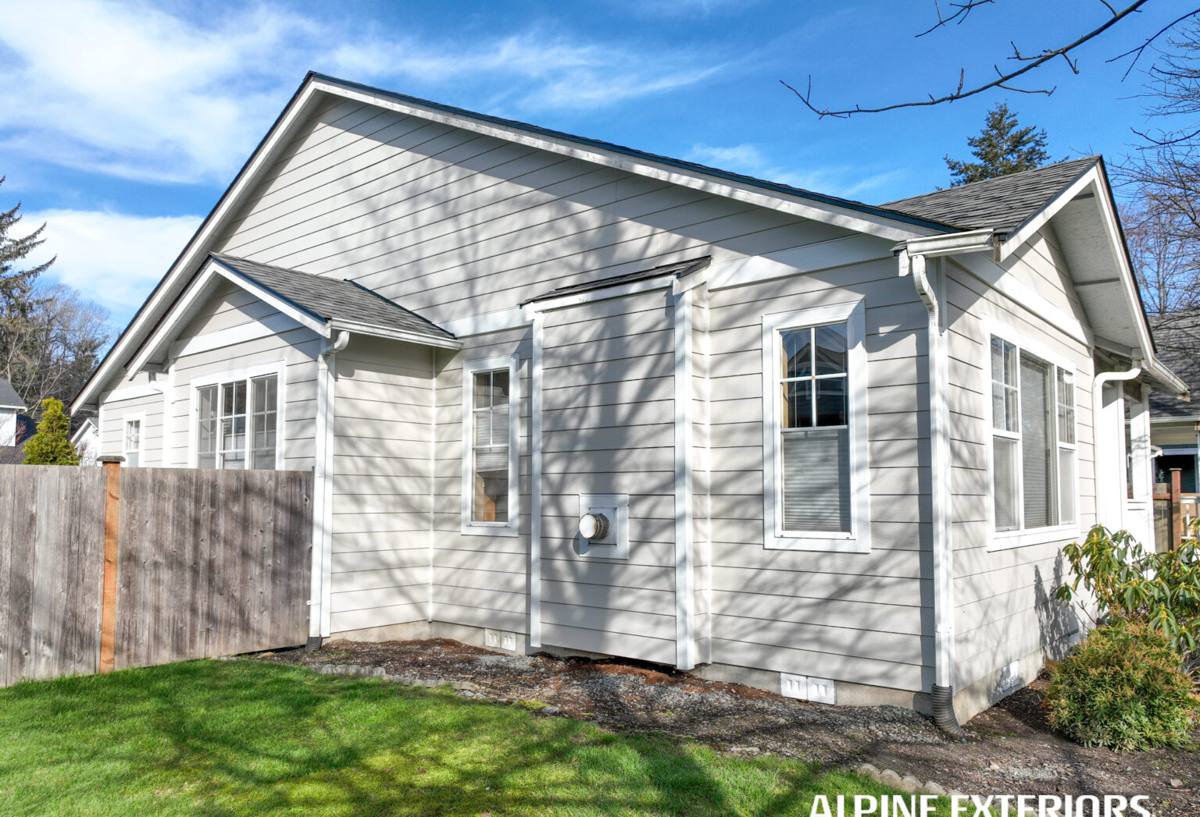
What Snohomish County Weather Does to a Shingle Roof
Three things drive most of the roofing problems we see in this area, and they compound each other:
Driving rain and prolonged wet seasons
It's not just total rainfall — it's how many consecutive weeks a roof stays damp. Shingle roofs in this region rarely get a long stretch to fully dry out between storms, which means any weak point in the underlayment or flashing has more opportunity to let water in before anyone notices.
Moss and algae
Shade from mature trees, high humidity, and mild temperatures are ideal conditions for moss and algae growth on roofing. Left alone, moss holds moisture against the shingle surface, lifts shingle edges, and works its way under tabs and around fasteners — turning a cosmetic issue into a leak path.
Salt air influence
Proximity to Puget Sound means homes throughout this part of Snohomish County get some degree of salt-laden air, which accelerates corrosion on exposed metal — flashing, fasteners, vents, and drip edge. A roof built with lower-grade or improperly coated metal components will show rust and wear noticeably faster here than in a dry inland climate.
None of this means a shingle roof is a bad choice for Lake Stevens — asphalt shingles remain one of the most practical, cost-effective roofing systems available. It means the installation details have to account for these conditions instead of following a generic spec sheet.
What a Correct Installation Actually Involves
A shingle roof is a system, not just a layer of shingles nailed to plywood. Skipping or shortcutting any one of these components is where premature failures come from:
- Deck inspection and repair — any soft, delaminated, or water-damaged sheathing gets replaced before anything new goes down. Installing over a compromised deck just hides the problem.
- Ice and water shield — a self-adhering waterproof membrane at eaves, valleys, and around penetrations, which matters more here than in drier climates because of how much time roofs spend saturated.
- Synthetic underlayment — a water-resistant barrier across the full deck as backup protection if wind-driven rain ever gets past the shingles themselves.
- Proper flashing — step flashing at walls, counter-flashing at chimneys, and valley flashing sized and lapped correctly. Flashing failures, not worn-out shingles, cause a large share of roof leaks.
- Balanced attic ventilation — intake at the eaves and exhaust at the ridge, sized to the attic volume. Poor ventilation traps moisture, which shortens shingle life from underneath and can encourage mold in the attic.
- Correct nailing pattern — the right number of nails, placed in the manufacturer's specified zone, is what keeps shingles rated for their wind rating. This is one of the most commonly rushed steps in the trade.
- Algae-resistant shingles where appropriate — granules treated to resist algae growth, which is worth discussing given how much this area sees moss and algae develop on roofing.
Choosing the Right Shingle for a Lake Stevens Home
Not every shingle product is built the same, and the differences matter more in a wet, moss-prone climate than they would somewhere dry. Here's how the common tiers compare:
| Shingle Type | Typical Lifespan | Wind Rating | Best Fit |
|---|---|---|---|
| 3-Tab | 15–20 years | Lower end of standard range | Budget-conscious projects, simple rooflines |
| Architectural (Laminate) | 25–30 years | Mid to upper range | Most homes — the standard choice for this region |
| Premium/Designer | 30+ years | Upper range, varies by product | Steep or complex rooflines, homeowners prioritizing longevity and appearance |
For most homes in this area, we lean toward architectural shingles with algae-resistant granules. They handle the freeze-thaw and wet-dry cycling better than 3-tab products, and the heavier profile holds up better to wind gusts coming off the lake and open terrain nearby. We'll walk through the honest trade-offs — cost, appearance, warranty terms — for your specific roof rather than defaulting to one product for every job.
Repair, Re-Roof, or Full Replacement?
Not every roofing issue means a full tear-off. We evaluate three factors before recommending anything:
Age and remaining shingle life
If the roof is within its expected lifespan and the damage is isolated — a section lifted by wind, a flashing leak, storm damage to a few courses — targeted repair is usually the right call.
Extent and pattern of the damage
Moss coverage across the whole roof, granule loss over a wide area, or multiple leak points in different locations usually signal the roofing system as a whole is nearing the end of its service life, even if it looks okay from the ground.
What's happening underneath
If we find deck damage, inadequate ventilation, or underlayment that's failed in multiple spots, patching the surface layer just delays a bigger job. We'll tell you plainly when a repair is a reasonable short-term fix versus when it's spending money on a roof that needs replacing anyway.
Our Process for Lake Stevens Roofing Projects
- On-site inspection — we look at the shingles, flashing, ventilation, and (when accessible) the attic side of the deck, not just what's visible from the ground.
- Written estimate — a clear scope of work and pricing, with the reasoning behind any recommendation explained in plain terms.
- Tear-off and deck check — old roofing removed, deck inspected and repaired as needed before anything new goes down.
- Installation — underlayment, flashing, shingles, and ventilation installed to manufacturer spec and matched to this area's conditions.
- Final walkthrough and cleanup — site cleared of debris and fasteners, and we go over the finished work with you before calling the job done.
What Drives Roofing Costs in This Area
| Factor | Why It Matters |
|---|---|
| Roof size and number of layers | More square footage and any existing layers to remove both add labor time |
| Roof pitch and complexity | Steep or cut-up rooflines with valleys and dormers take longer and require more flashing detail |
| Shingle tier chosen | 3-tab, architectural, and premium products carry different material costs and warranty terms |
| Deck condition | Rot or delamination found during tear-off adds repair work not visible during the initial estimate |
| Ventilation upgrades | Adding or correcting intake/exhaust venting is sometimes needed to meet code or manufacturer warranty requirements |
We won't quote a number without seeing the roof — anyone who does is guessing. What we can tell you upfront is that skipping steps like ice and water shield or proper ventilation to hit a lower price usually costs more later in repairs, given how unforgiving this climate is on shortcuts.
Why a Local Crew Matters for This Kind of Work
A contractor who regularly works Snohomish County roofs already knows how moss behaves on shaded, north-facing slopes, how much wind exposure open lots near the lake actually see, and which flashing details tend to fail first in this climate. That's not something you get from a national playbook — it comes from doing the work here, repeatedly, and seeing what holds up and what doesn't over a few wet seasons. It also means someone is local if a warranty question or a storm-related issue comes up after the job is finished, rather than a crew that's moved on to a different region.
Homeowner Maintenance Checklist
Between professional inspections, a few simple habits go a long way toward protecting a shingle roof in this climate:
- Keep gutters and downspouts clear, especially before and during the fall storm season
- Trim back tree limbs that shade sections of the roof and keep them damp longer than the rest
- Watch for moss or dark streaking and address it early rather than letting it spread
- Check attic ventilation isn't blocked by insulation, stored items, or debris
- Have the roof looked at after any major windstorm, even if nothing looks obviously wrong from the ground
- Avoid pressure washing shingles — it can strip protective granules and shorten the roof's life
Get a Straightforward Look at Your Roof
If you're dealing with moss buildup, a leak, storm damage, or you're just past the point of guessing how much roof life you have left, we're glad to come take a look. The estimate is free, there's no pressure attached to it, and you'll get a straight answer about what your roof actually needs. Use the form below to get started.